Home » Jazz Articles » Book Review » Energy Center: A History Of Studio Rivbea
Energy Center: A History Of Studio Rivbea
Its greatest achievement lies in restoring the venue’s working life to view, showing how an independent space could sustain a musical community whose influence extended far beyond its brief existence.
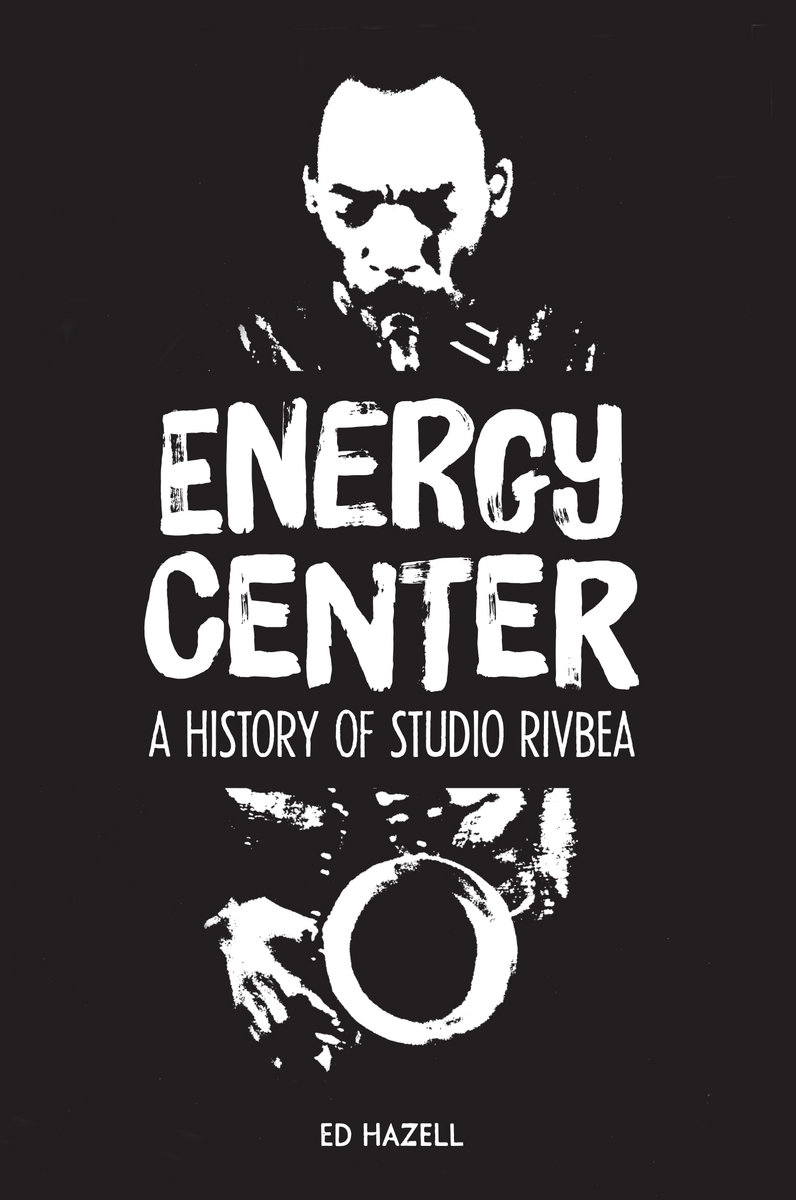 Energy Center: A History Of Studio Rivbea
 Ed Hazell
324 Pages
ISBN: 978-5-415-02882-5
NoBusiness Records
2026
Multi-instrumentalist Sam Rivers helped reshape New York's jazz landscape not only through his music but by creating Studio Rivbea, an independent space for rehearsal, education and performance that gave adventurous musicians room to develop and play on their own terms. In Energy Center, Ed Hazell chronicles the pioneering Lower East Side venue, from its founding in 1973 to its eventual demise five years later. Rivbea's history is inseparable from the wider story of the loft scene and the musicians who transformed the city's experimental jazz community.
Rivbea launched with a bang in summer 1973 with the first of many festivals, and presented music six or seven nights a week for next nine months. The near-nightly schedule ensured that Rivers fulfilled his aim of showcasing musicians deserving greater attention, many drawn from the Lower East Side, where low rents had attracted a community of artists. Dubbed the Carnegie Hall of the jazz lofts by the Village Voice, Rivbea was also later one of the first venues to present the musicians who moved to NYC from the Midwest and California: Oliver Lake, David Murray, Anthony Braxton, Julius Hemphill, Arthur Blythe, who appeared alongside already familiar names like Jimmy Lyons, Sunny Murray, Andrew Cyrille, Makanda Ken McIntyre, Charles Tyler and Dewey Redman.
By 1975, Rivers then in his early '50s and with albums for prestigious labels such as Blue Note and Impulse! behind him, was prioritising his own career, and consequently had less energy to expend on the studio. However, there was still one seismic event to come. During the 1976 Summer Festival, documented on the celebrated Wildflowers series of albums, 27 bands were recorded over 7 nights. Even this substantial undertaking gave only a partial rather than comprehensive overview of a thriving scene. Ironically, the recordings cemented Rivbea's place in loft-jazz history just as Rivers began scaling back its concert programme.
In spring 1977, the so-called Battle of Bond Street brought tensions to the fore when a rival festival at the nearby Tin Palace competed directly with Rivbea and caused a ruckus in the scene. As a result, Rivers closed Rivbea a little more than a year later. Rivbea, like the other lofts, had given musicians exposure and the opportunity to develop music unconstrained by the need to help club and bar owners sell booze. But by then many were ready to move on.
Some of this history appears in Rick Lopez's excellent Sam Rivers Sessionography, to which Hazell also contributed. However, part of the distinctiveness of this book lies in its own sessionography, listing every known group to appear at Rivbea, complete with lineup, instrumentation and explanatory notes. Much of the material comes from Rivers' archives, supplemented by information from adverts and handbills, which copiously illustrate the book, along with a wealth of period photos.
It is fascinating to see how many of the featured artists went on to establish lasting reputations over the following decades. And also to catch a glimpse of those whose subsequent careers attracted less attention, names such as George Braith, Shelly Ruston, Abdul Zahir Batin, Andrea Brachfeld and Mickey Bass, who likely remain a mystery even to the most avid aficionados. Excluding the Wildflowers festival, the list of albums recorded at Rivbea is surprisingly slim given the venue's importance: 13 sessions in all, although the terrific Live At Studio Rivbea series on NoBusiness Records, drawn from Rivers' archive, is gradually helping redress that situation.
While the definitive account of the wider loft scene has yet to be written, Energy Center stands head and shoulders above other books on the subject, due to its enjoyable and informed narration allied to forensic detail of a pivotal time in the development of free jazz. However its greatest achievement lies in restoring the venue's working life to view, showing how an independent space could sustain a musical community whose influence extended far beyond its brief existence.
 FOLLOW John Sharpe
and get notified whenever a new article published.
FOLLOW John Sharpe
and get notified whenever a new article published.
John first fell under the spell of free jazz in the 1970s when he wistfully regarded the loft jazz scene from across the Atlantic
About Sam Rivers

Tags
PREVIOUS / NEXT
Become a Sustaining Member

Since 1995, All About Jazz has championed jazz as an art form and supported the musicians who create it. Over three decades, it has grown into one of the world's leading jazz resources, serving hundreds of thousands of readers, musicians, presenters and industry professionals each month.
Help Build the Future of All About Jazz
Your support helps us continue building All About Jazz for the next generation—expanding our editorial coverage, preserving jazz history, developing new community features and creating better ways to discover the music and the people behind it.
Become a sustaining member for as little as $20 per year and you'll immediately enjoy an ad-free experience along with access to subscriber features and future articles for a full year.
Together, we're not simply sustaining All About Jazz—we're building its future. Thank you for being part of the journey.