Home » Articoli » My Playlist » Noah Kaplan
Noah Kaplan
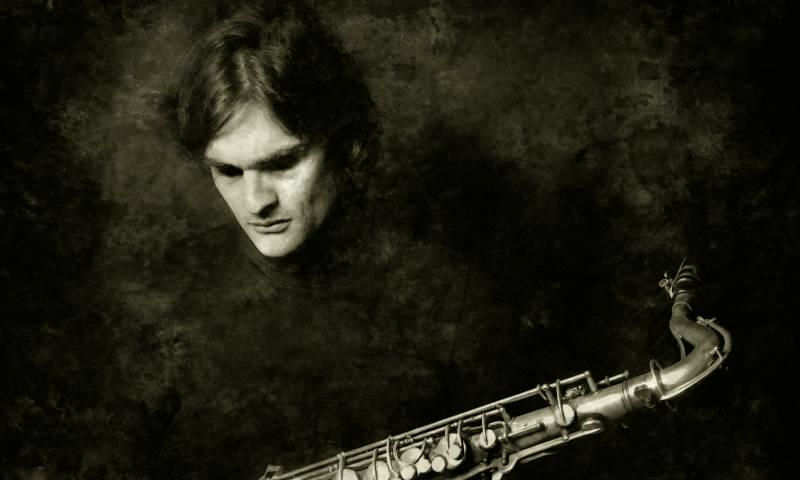
Ci ho messo del tempo a rendermi conto di che tipo tosto fosse Haydn. Un sacco di Bach e presagi di Beethoven in questo disco.
2. Charles Mingus, Pithecanthropus Erectus (Atlantic, 1956).
Violento e sexy. L'essenza del jazz.
3. Wyschnegradsky, Wyschnegradsky / Ives: Quarter-Tone Pieces (HatHut, 2007).
Ho recentemente pubblicato una nuova traduzione del Wyschnegradsky's Manual of Quarter-Tone Harmony. I suoi preludi sono Romanticismo al futuro. Fantastico anche Ives.
4. Bruce Mather, Hommage to Ivan Wyschnegradsky (SNE, 1994).
Sono semper più coinvolto dalla musica di Bruce. E' un compositore sorprendente oltre che un amico. «Yquem» porta la musica in nuovi territori.
5. Albert Ayler, Live in Greenwich Village: The Complete Impulse Recordings (UMG Recordings, 1998).
Ayler è uno dei grandi. E il più potente di sempre. Ho recentemente ascoltato «Truth Is Marching In» e il modo in cui frantuma una normale marcia trasformandola in caos mi fa venire in mente Beethoven.
6. Prokofiev, Romeo and Juliet: Valery Gergiev & London Symphony Orchestra (London Symphony Orchestra Ltd -2010).
Questo disco mi stende. Ed è pure registrato magnificamente.
7. Dwight Yoakam, Guitars, Cadillacs, Etc., Etc. (Warner Brothers, 1986).
Ho incontrato recentemente Dwight a Los Angeles e sto ancora guardando i video delle sue performance. E continuano a scorrere nella mia mente.
8. John Coltrane, Offering: Live at Temple University (Verve -2015).
Coltrane è da sempre il mio eroe tra i sassofonisti. E Pharoah Sanders è una sorpresa !
9. Varese, The Complete Works (Decca, 1998).
Sto componendo un'opera e così ascolto un sacco di musica vocale. «Equatorial» è una bomba.
10. The Beach Boys, Pet Sounds (Capitol, 1966).
L'estate scorsa guidavo per Los Angeles ascoltando questo disco e non mi è più uscito dalla testa! Alcune delle canzoni più piacevolmente malinconiche di sempre.
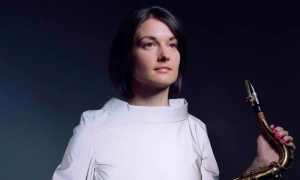
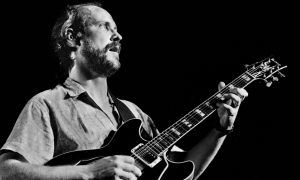
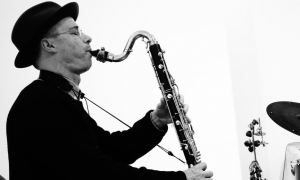
Foto di Matt Mahurin
 FOLLOW Vincenzo Roggero
and get notified whenever a new article published.
FOLLOW Vincenzo Roggero
and get notified whenever a new article published.
Alla ricerca del tempo perduto…..
About Noah K

Tags
PREVIOUS / NEXT


Become a Sustaining Member

Since 1995, All About Jazz has championed jazz as an art form and supported the musicians who create it. Over three decades, it has grown into one of the world's leading jazz resources, serving hundreds of thousands of readers, musicians, presenters and industry professionals each month.
Help Build the Future of All About Jazz
Your support helps us continue building All About Jazz for the next generation—expanding our editorial coverage, preserving jazz history, developing new community features and creating better ways to discover the music and the people behind it.
Become a sustaining member for as little as $20 per year and you'll immediately enjoy an ad-free experience along with access to subscriber features and future articles for a full year.
Together, we're not simply sustaining All About Jazz—we're building its future. Thank you for being part of the journey.