Home » Jazz Articles » Top Ten List » The Grand Sonic Journey: Top 10 Progressive Rock Epics of All Time
The Grand Sonic Journey: Top 10 Progressive Rock Epics of All Time
These extended compositions, typically running anywhere from ten to well over twenty minutes, became the defining hallmark of art rock. They were rarely long just for the sake of it; they were meticulously constructed musical journeys. Groundbreaking synthesizers like the Moog and tape-replay keyboards like the Mellotron joined soaring electric guitars and complex, shifting time signatures to paint vivid, sweeping sonic landscapes. Whether exploring dystopian futures, mythological battles, or surreal philosophical concepts, these tracks demanded the listener's full, undivided attention.
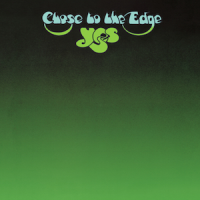 "Close to the Edge" by Yes
Album: Close to the Edge (1972)
Record Label: Atlantic Records
Song Length: 18:42
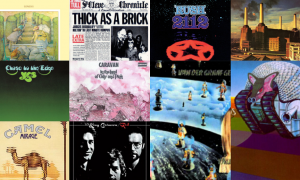
Often cited as the absolute pinnacle of progressive rock, "Close to the Edge" is a masterclass in musical tension and release. Inspired by Hermann Hesse's Siddhartha, the song is broken into four distinct movements. It opens with a chaotic, frenetic instrumental crescendo before settling into a heavily syncopated, driving groove. Jon Anderson's ethereal vocals soar over Steve Howe's intricate guitar lines and Chris Squire's iconic Rickenbacker bass. The song's atmospheric middle section ("I Get Up, I Get Down") utilizes a majestic church organ before culminating in a triumphant, symphonic finale that feels genuinely spiritual.
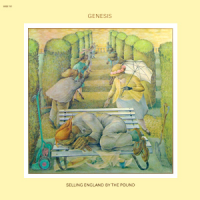 "The Cinema Show" by Genesis
Album: Selling England by the Pound (1973)
Record Label: Charisma Records / Atlantic
Song Length: 11:06
While "Supper's Ready" is their longest work, "The Cinema Show" is arguably the most elegant distillation of the Genesis sound. Based loosely on T.S. Eliot's The Waste Land, the track begins as a pastoral folk piece featuring delicate 12-string guitar textures and harmony vocals from Peter Gabriel and Phil Collins. The song famously transitions halfway through into a legendary, extended synthesizer workout. Tony Banks delivers a masterclass on the ARP Pro Soloist, weaving complex, melodic leads over a driving 7/8 rhythm section. It is a perfect bridge between the band's whimsical storytelling and their technical prowess.
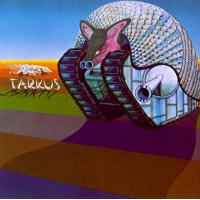 "Tarkus" by Emerson, Lake & Palmer
Album: Tarkus (1971
Record Label: Island Records / Cotillion
Song Length: 20:40
If progressive rock is often accused of being overly delicate, "Tarkus" is the bombastic counter-argument. Taking up the entire first side of the album, this epic tells the story of a mythical, mechanized armadillo-tank hybrid battling a manticore. Keith Emerson drives the composition with furious, heavily distorted Hammond organ and pioneering Moog synthesizer work, played primarily in a relentless 5/4 time signature. Carl Palmer's incredibly athletic drumming and Greg Lake's commanding vocals help ground the sheer madness of the instrumental pyrotechnics. It is aggressive, complex, and unashamedly grandiose.
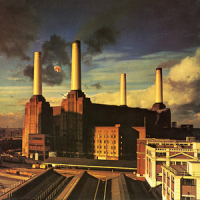 "Dogs" by Pink Floyd
Album: Animals (1977)
Record Label: Harvest Records / Columbia
Song Length: 17:04
Taking up nearly the entire first side of the dark, Orwellian concept album Animals, "Dogs" is a cynical, biting critique of the cutthroat corporate world. Unlike the spacy psychedelia of their earlier work, this 17-minute track is driven by a surprisingly groovy, acoustic guitar chord progression that eventually gives way to some of David Gilmour's sharpest, most aggressive electric guitar solos. The middle section descends into a chilling ambient soundscape featuring echoing canine barks and haunting synthesizer sweeps by Richard Wright, before crashing back into a heavy, triumphant final vocal harmony.
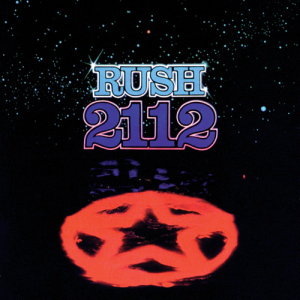 "2112" by Rush
Album: 2112 (1976)
Record Label: Anthem / Mercury Records
Song Length: 20:33
With their backs against the wall and pressure from their record label to produce shorter, radio-friendly hits, Canadian power trio Rush instead delivered a 20-minute sci-fi epic. "2112" tells the story of an intergalactic dystopian society ruled by the Priests of the Temples of Syrinx, where music has been outlawed. Divided into seven parts, the track perfectly blends heavy metal riffing with complex progressive rock structures. Neil Peart's thunderous drums, Alex Lifeson's blistering guitar work, and Geddy Lee's sky-high wails made this a massive, career-defining triumph for the band.
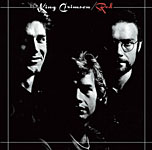 "Starless" by King Crimson
Album: Red (1974)
Record Label: Island Records / Atlantic
Song Length: 12:18
"Starless" begins as a melancholic, gorgeous ballad featuring John Wetton's mournful vocals and a sorrowful Mellotron melody. However, around the four-minute mark, the song transforms. It shifts into an ominous, creeping instrumental build-up centered around a single, repeating bass line and Robert Fripp's eerie, one-note guitar motif. The tension slowly mounts over several minutes, adding discordant saxophone bursts and frantic drumming from Bill Bruford, until it explodes into a frantic, chaotic jazz-metal climax. It is a masterclass in dynamic contrast and emotional weight.
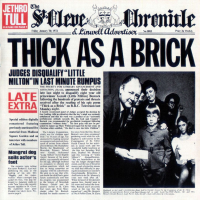 "Thick as a Brick, Part I" by Jethro Tull
Album: Thick as a Brick (1972
Record Label: Chrysalis Records
Song Length: 22:40
Written by Ian Anderson as a deliberate parody of overly serious progressive rock concept albums, Thick as a Brick consists of a single continuous song split over two sides of a record. "Part I" seamlessly blends British folk music, hard rock, and classical influences. Anchored by Anderson's iconic flute playing and playful, cynical lyrics—supposedly penned by a fictional 8-year-old poet named Gerald Bostock—the song transitions flawlessly through dozens of melodic ideas, tempos, and time signatures without ever losing its infectious energy.
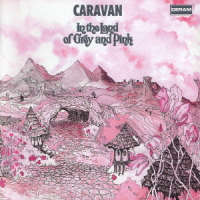 "Nine Feet Underground" by Caravan
Album: In the Land of Grey and Pink (1971)
Record Label: Deram Records
Song Length: 22:43
A crown jewel of the "Canterbury Scene" (a whimsical, jazz-influenced subgenre of British progressive rock), "Nine Feet Underground" is a remarkably fluid and upbeat epic. Rather than relying on dark themes or overwhelming bombast, this suite is built around the virtuosic, fuzzed-out organ playing of David Sinclair. The 22-minute track is essentially a medley of distinct musical vignettes woven seamlessly together. It grooves with a warmth and improvisational jazz-rock flair that feels incredibly organic and effortlessly cool.
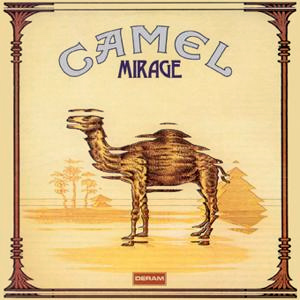 "Lady Fantasy" by Camel
Album: Mirage(1974)
Record Label: Deram Records
Song Length: 12:45
Camel was known for their incredibly melodic, romantic approach to progressive rock, and "Lady Fantasy" is perhaps their finest moment. Clocking in at almost 13 minutes, the track is divided into three parts: "Encounter," "Smiles for You," and "Lady Fantasy." It opens with an aggressive, driving guitar and organ riff before settling into a hauntingly beautiful, slower vocal section. Andrew Latimer's emotional, singing guitar tone is the star here, trading blistering solos with Peter Bardens' fluid keyboard runs. It is a perfectly paced, deeply atmospheric piece.
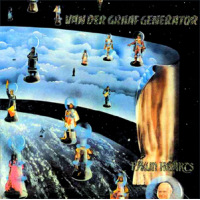 "A Plague of Lighthouse Keepers" by Van der Graaf Generator
Album: Pawn Hearts (1971)
Record Label: Charisma Records
Song Length: 23:04
For those who like their progressive rock on the darker, more avant-garde side, Van der Graaf Generator offers this terrifying, brilliant 23-minute suite. Telling the psychological horror story of a lighthouse keeper slowly losing his mind, the track is anchored by Peter Hammill's incredibly dramatic, unhinged vocal delivery. Lacking a traditional bassist, the band relies heavily on Hugh Banton's dark church organs and David Jackson's aggressive, dual-saxophone attacks. It is dissonant, theatrical, heavily experimental, and entirely unforgettable.
 FOLLOW Michael Ricci
and get notified whenever a new article published.
FOLLOW Michael Ricci
and get notified whenever a new article published.
Michael Ricci suffers from Chronic Curiosity Syndrome, accompanied by an incurable urge to build things.
About Yes
Tags
PREVIOUS / NEXT

Become a Sustaining Member

Since 1995, All About Jazz has championed jazz as an art form and supported the musicians who create it. Over three decades, it has grown into one of the world's leading jazz resources, serving hundreds of thousands of readers, musicians, presenters and industry professionals each month.
Help Build the Future of All About Jazz
Your support helps us continue building All About Jazz for the next generation—expanding our editorial coverage, preserving jazz history, developing new community features and creating better ways to discover the music and the people behind it.
Become a sustaining member for as little as $20 per year and you'll immediately enjoy an ad-free experience along with access to subscriber features and future articles for a full year.
Together, we're not simply sustaining All About Jazz—we're building its future. Thank you for being part of the journey.