Home » Jazz Articles » Groove Orbit » More Than Inventory: How Euclid Records Built a Communit...
More Than Inventory: How Euclid Records Built a Community Through Music
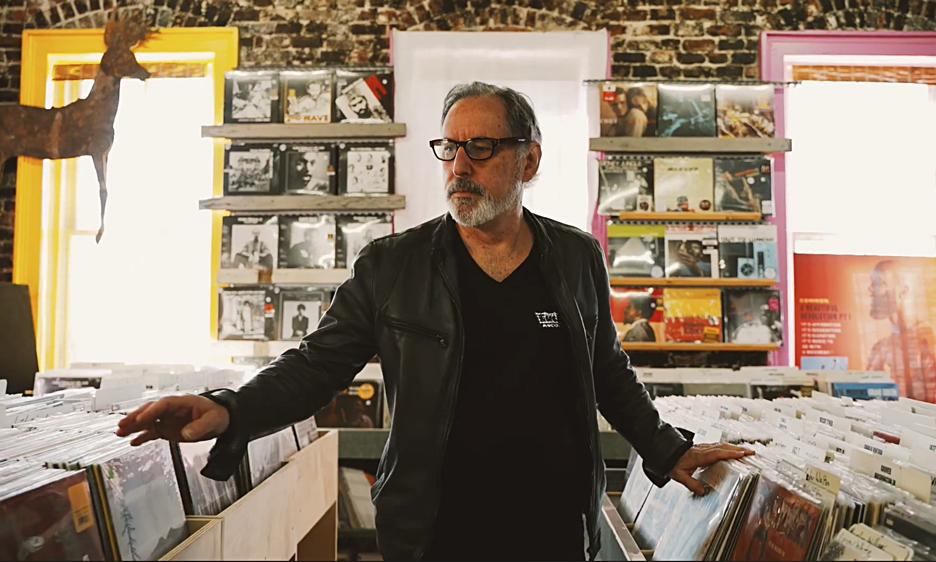
I want my stores to feel like an old shoe, but I don’t want them to smell like an old shoe.
Although many factors are involved, three things stand out. An exceptional record store needs a welcoming atmosphere, a unique personality, and a genuine sense of community. The employees should make customers feel like they belong in the store, not just at the cash register.
That spirit is immediately evident at Euclid Records, at both its St. Louis and New Orleans locations, which is why it is among the most respected independent record stores in the United States.
The Euclid story begins in St. Louis in the early 1980s with its owner, Joe Schwab, whose journey into the record-store world was hardly a calculated business-school success story. A self-described college dropout, he chose a different path to success by working in St. Louis record stores, including Peaches Records, Streetside Records, and Vintage Vinyl. "I got my education working at these places and the people I worked with," he explains.
His opportunity came when a competing record store opened near the independent shop where he was working. After his employer acquired the competitor and its second St. Louis location, Schwab took over management of the new store. Before long, he bought the business himself and renamed it Euclid Records.
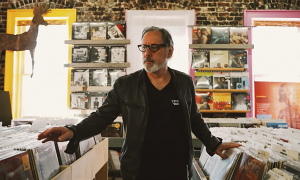
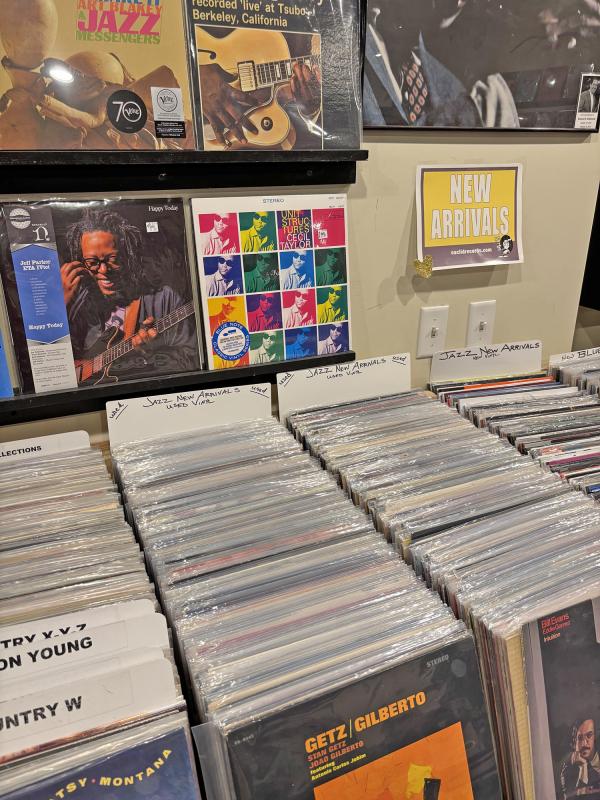
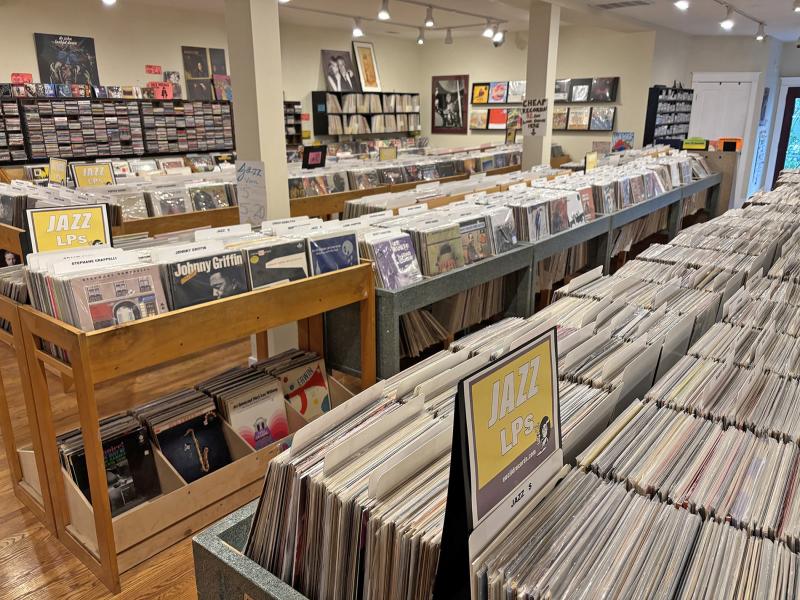
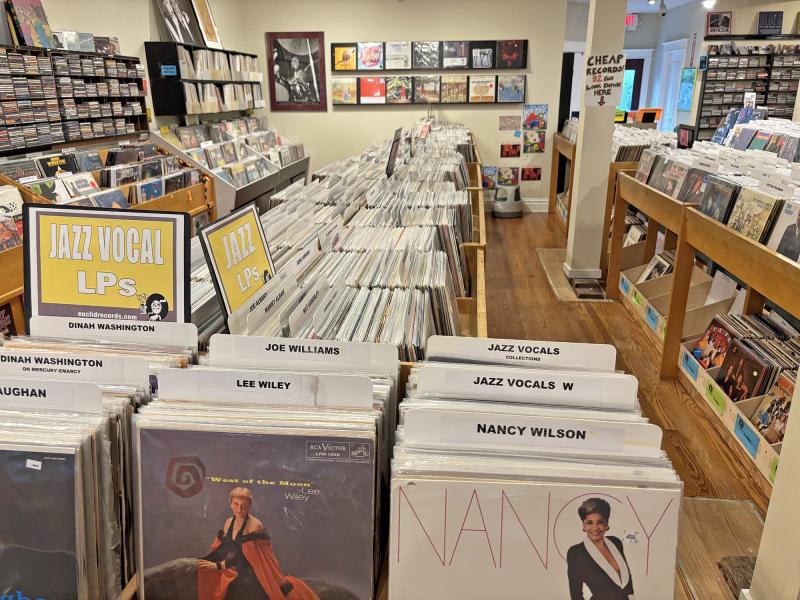
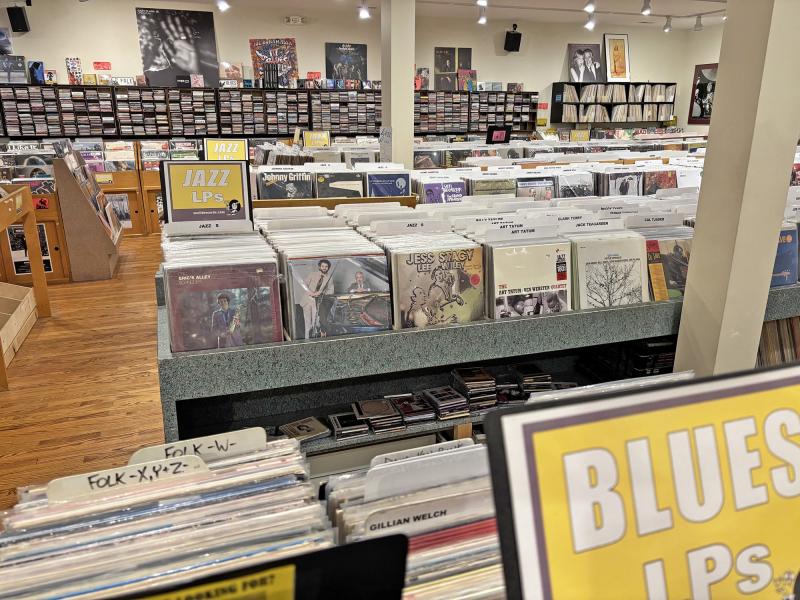
"That was in 1981 when I was 22 years old. Now 45 years later, we're still around and thriving," Schwab says. Since its founding, Euclid has grown from a local independent shop into one of the country's best-known destinations for jazz collectors (click the SLIDESHOW link above to view each store's interior).
The next chapter began after Hurricane Katrina, when a former employee who had relocated to New Orleans suggested the city needed a quality record store. Schwab had actually been considering opening another location outside St. Louis for a while, and this seemed like a perfect opportunity. Around the same time, another St. Louis acquaintance approached Schwab with a similar idea. "We all got together and formulated a plan to make it happen." His main interest was finding a music town that would support the store, and New Orleans proved a natural fit.
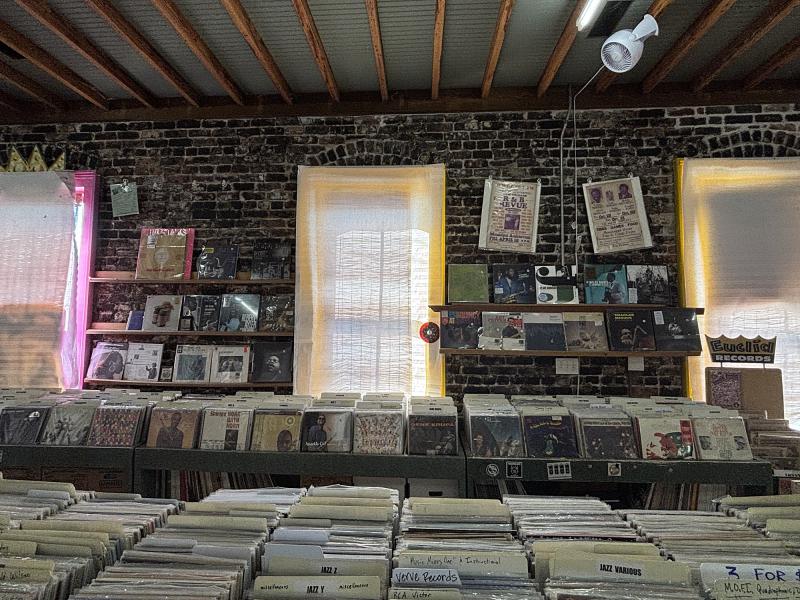
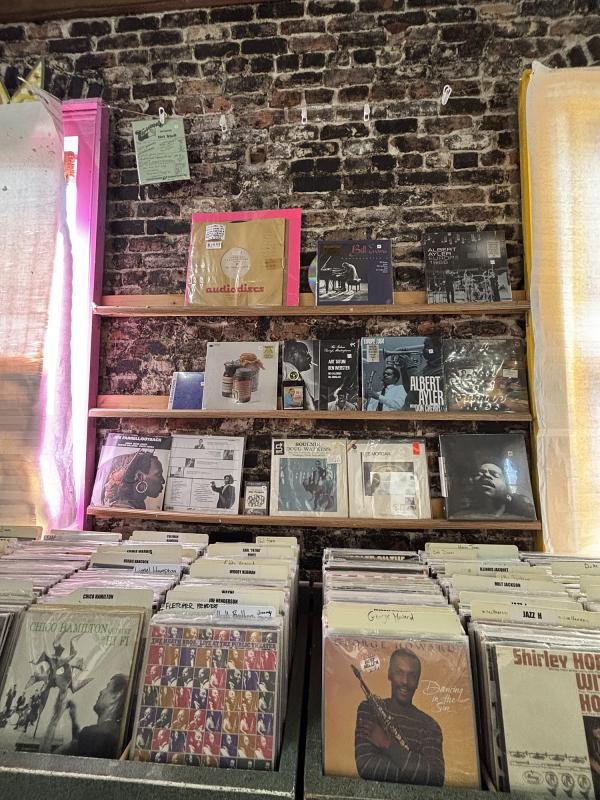
The second location quickly became part of the city's musical fabric, combining a wide-ranging inventory with support for local performers. Both stores reflect Schwab's deep love of music, particularly jazz, but they also reflect something else: the sense of community that has always separated great independent record stores from ordinary retail spaces. "Jazz has always been my number one love," Schwab says, and his knowledge and passion for the music established Euclid's reputation as one of the go-to destinations for jazz vinyl.
Selection and ambiance play equally important roles in the Euclid equation. Schwab describes the philosophy behind the store simply: "We try to cultivate a store that is comfortable, and we embrace the entire music communities of St. Louis and New Orleans." He notes that some record stores can be intimidating, many with know-it-all staff, much like Jack Black's character in High Fidelity, but Euclid's attitude has always been, "we'll teach our customers and the customers will teach us as well." This is one of those places where there are always interesting discussions about music. Joe sums it up nicely: "I want my stores to feel like an old shoe, but I don't want them to smell like an old shoe."
Euclid's story is also one of persistence. For example, during the compact disc boom of the 1990s, when many stores were abandoning vinyl completely, Euclid doubled down on it. Schwab continued selling vinyl while CDs still dominated the market, and he built an international mail-order business that thrived among serious collectors seeking rare jazz pressings. Schwab remembers how "I was out hustling for jazz record collections, traveling the US and purchasing some of the finest collections around." As a result, original Blue Note, Prestige, Riverside, Savoy, and Transition releases regularly passed through the store. "It was simply jaw-dropping!"
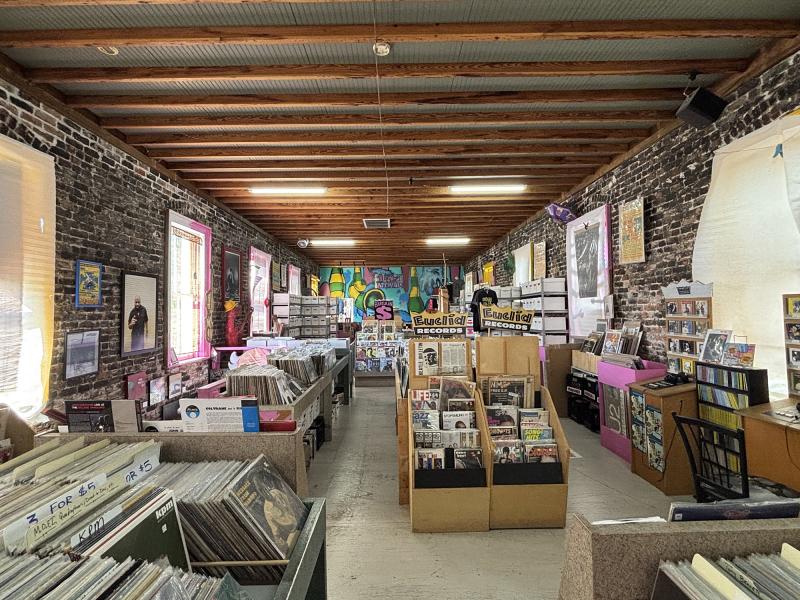
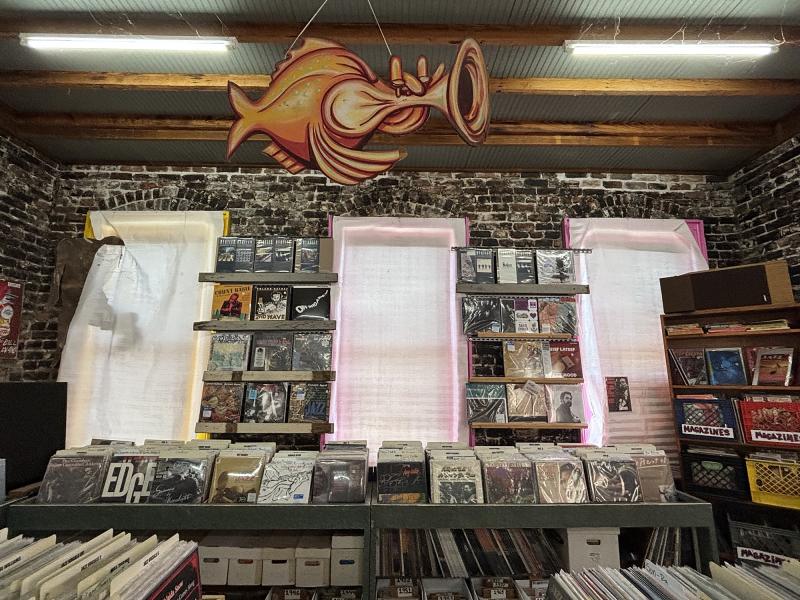
While both stores exude a cool vibe, the New Orleans location is a bit funkier overall. Located in the city's Bywater neighborhood, the New Orleans location quickly became part of the area's musical fabric. Unlike the brighter, more polished St. Louis location, the New Orleans store embraces the relaxed bohemian atmosphere of the surrounding neighborhood. And while music is an integral part of St. Louis history, there are fewer local artists selling their music. This is certainly not the case in New Orleans. As Schwab explains, "the community here is really tuned into the local scene and the enormous history and heritage New Orleans has cultivated."
With its looseness and charm, Euclid proved a natural fit in a city where music remains part of everyday life. Local music remains one of the strongest sellers at the New Orleans location, while Louis Armstrong records continue to move steadily alongside jazz, soul, funk, reggae, rock, and countless other genres filling the store's shelves. The New Orleans location has not been in operation as long as the St. Louis store, but, as Schwab explains, "the idea was to make it seem as though it's been there forever, and I think we achieved that big time!"
Although the New Orleans environment stands out in many ways, in reality, both stores influence each other. The St. Louis store is well-established and has become a staple in town, allowing it to refine its appearance and inventory over the years. Located in the historic Old Webster business district, the St. Louis location is massive. While it lacks the bohemian atmosphere of the New Orleans location, the St. Louis store reflects the city's own rich musical heritage.
Like independent record stores everywhere, Euclid has survived dramatic shifts in listening habits over the decades. Schwab has seen the industry move from vinyl to CDs to streaming, and then unexpectedly back toward physical media. But even with the resurgence of vinyl, he believes today's customers are different. Serious collectors now make up a larger portion of the audience than they once did.
Euclid's longevity and appeal remain surprisingly simple. This is not the result of some in-depth marketing plan or business model, but rather people who genuinely love music, building a community with like-minded shoppers. "Look, if I sell someone a turntable and they buy three records," Schwab says, "you know immediately they'll be back the next week to buy three more. That's where the addiction begins."
Related Photos
 Courtesy Toby from Euclid
 Courtesy Toby from Euclid
 Courtesy Toby from Euclid
 Courtesy Toby from Euclid
 Courtesy Toby from Euclid
 Courtesy Michael Ricci
 Courtesy Michael Ricci
 Courtesy Michael Ricci
 Courtesy Michael Ricci
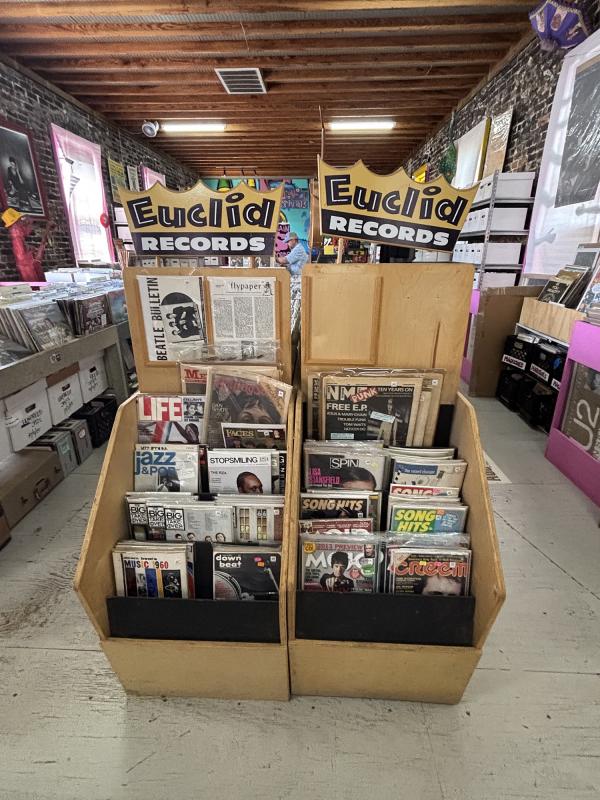 Courtesy Michael Ricci
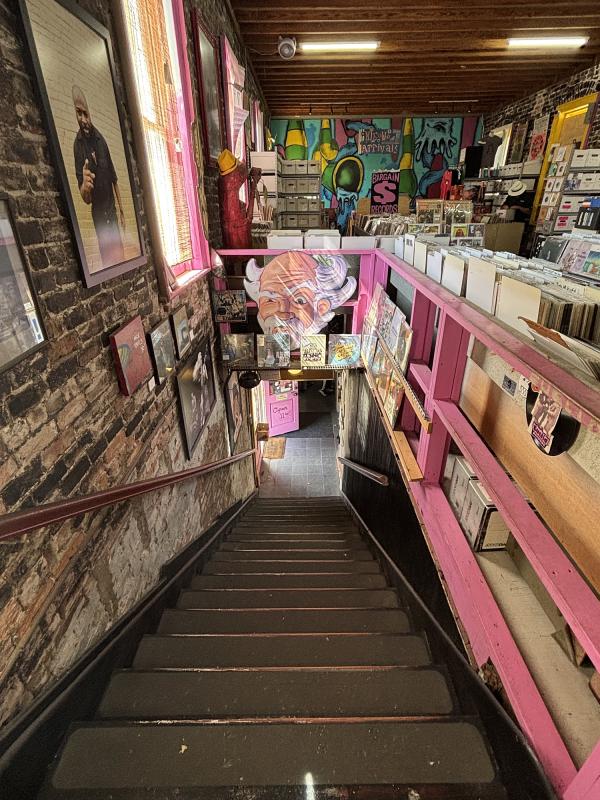 Courtesy Michael Ricci
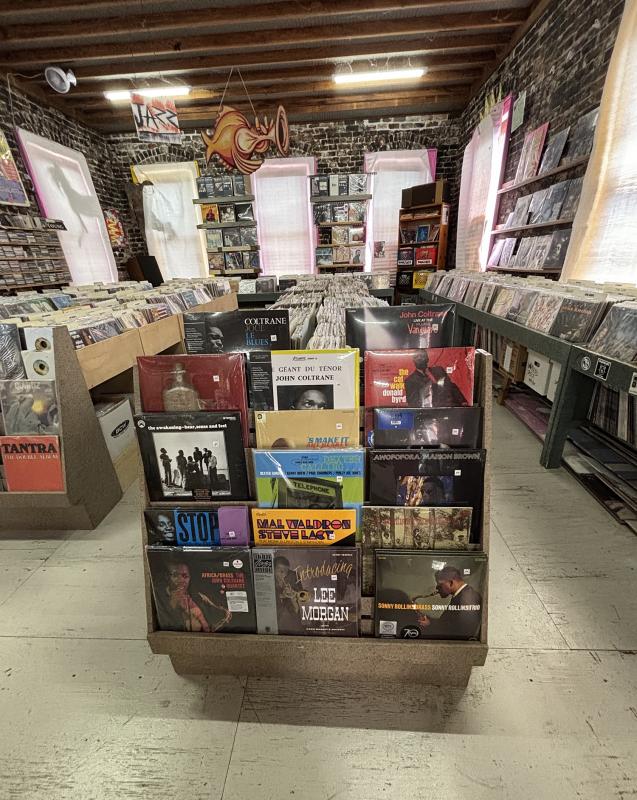 Courtesy Michael Ricci
 FOLLOW Kyle Simpler
and get notified whenever a new article published.
FOLLOW Kyle Simpler
and get notified whenever a new article published.
Longtime jazz listener
Tags
PREVIOUS / NEXT


Become a Sustaining Member

Since 1995, All About Jazz has championed jazz as an art form and supported the musicians who create it. Over three decades, it has grown into one of the world's leading jazz resources, serving hundreds of thousands of readers, musicians, presenters and industry professionals each month.
Help Build the Future of All About Jazz
Your support helps us continue building All About Jazz for the next generation—expanding our editorial coverage, preserving jazz history, developing new community features and creating better ways to discover the music and the people behind it.
Become a sustaining member for as little as $20 per year and you'll immediately enjoy an ad-free experience along with access to subscriber features and future articles for a full year.
Together, we're not simply sustaining All About Jazz—we're building its future. Thank you for being part of the journey.