Home » Jazz Articles » Live Review » Bob Dylan at the Rady Shell
Bob Dylan at the Rady Shell

Seemingly coming from the belly of an old desktop tube radio like the Zenith Wavemagnet, most of the set was an undulating shuffle.
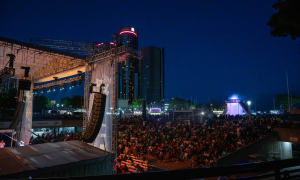
Rady Shell
San Diego, CA
June 21, 2026
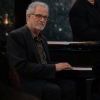
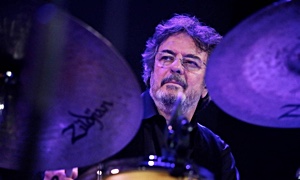
Like a hoodoo echo emerging from the depths of a bottomless cave, the voice, a rumbling baritone, rambled through the scattered brambles of his poetry. Obscured by low light, and a black hoodie's cowl, Bob Dylan was barricaded behind his keyboard and bolstered by the pulsing heart of his sound, bassist Tony Garnier. Framed by guitarists Julian Lage and Bob Britt, and driven by the precision of drummer Anton Fig, the weight of his own presence painted his masterpiece. It was mostly the Bob Dylan Rhythm and Blues Review.
Seemingly coming from the belly of an old desktop tube radio like the Zenith Wavemagnet, most of the set was an undulating shuffle. There was the trademark rearrangement of an old song. "All Along the Watchtower" was sung to the tune of "Hurricane." But what stood out for me were the tightly constructed and subtle arrangements that harken back to the early 1950's when jazz undercurrents were lurking behind black folk musics.
"Tryin' to Get to Heaven," "False Prophet," "I Can Tell," "Crossing the Rubicon" (pure Delta blues), and "Soon After Midnight" all seemed like candidates for a Sunday afternoon jam in a South Central bar. Tight yet airy, the meticulously relaxed renderings of the melodies by the band left space for Dylan's authoritatively spare keyboard playing. I felt a twinge of Carla Bley, unadorned expressiveness.
A word about Julian Lage. Readers on this website are probably familiar with his clear and distinctive guitar voicings. His original tunes are full of changing weather, clouds passing before the sun. Often his playing is meditative, sometimes it is jagged, but usually recognizably "Jazz." This particular setting saw him deep in the pocket. On songs like "The Long Black Coat," his solos were fluid and totally of service to the song. Often the band locked in, a steady machine, allowing Dylan to weave dramatically, as the lyrics, piano, and singing carried the emotional weight of the material. This is consistent with Dylan's relationship with lead guitar players over time, whether Mike Bloomfield, Robbie Robertson, Mark Knopfler, Duke Robillard, or Charlie Sexton. These guitarists did not step on any musical toes while maintaining their personas. Lage was present, lovely to hear, never out front.
The penultimate song in the set was an homage to the profound sensibilities of Jimmy Reed, "Goodbye Jimmy Reed." Here and throughout the evening, there was an earnestness and a respect for the ghosts that walk among us.
About Bob Dylan

Tags
PREVIOUS / NEXT


Become a Sustaining Member

Since 1995, All About Jazz has championed jazz as an art form and supported the musicians who create it. Over three decades, it has grown into one of the world's leading jazz resources, serving hundreds of thousands of readers, musicians, presenters and industry professionals each month.
Help Build the Future of All About Jazz
Your support helps us continue building All About Jazz for the next generation—expanding our editorial coverage, preserving jazz history, developing new community features and creating better ways to discover the music and the people behind it.
Become a sustaining member for as little as $20 per year and you'll immediately enjoy an ad-free experience along with access to subscriber features and future articles for a full year.
Together, we're not simply sustaining All About Jazz—we're building its future. Thank you for being part of the journey.
Near

San Diego Concerts