Home » Jazz Articles » Interview » Stevie Holland: Finding the Pocket
Stevie Holland: Finding the Pocket
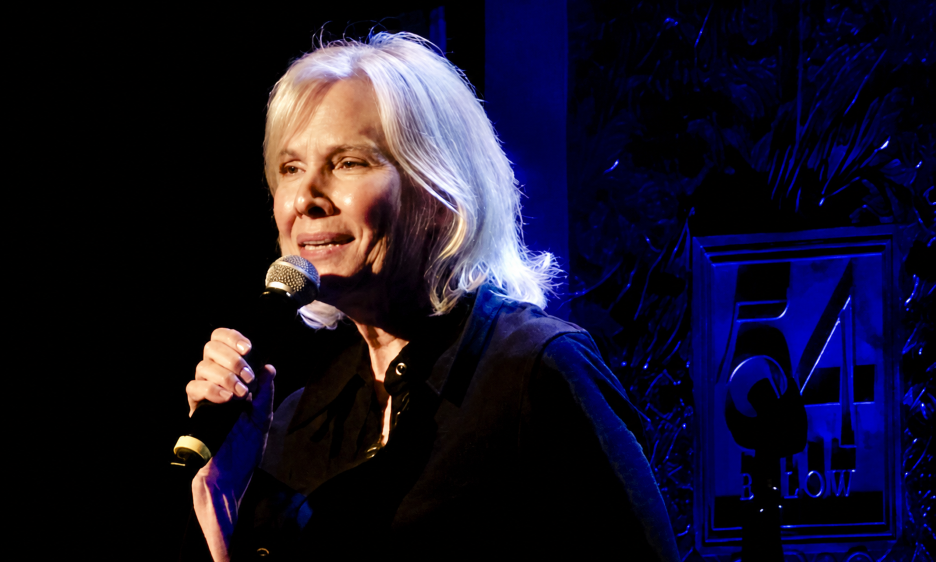
As far as the vocal instrument goes, I was classically trained and still exercise it regularly to keep things strong and tuned, though I make range adjustments as I mature. Interpreting material is instinctual for me, so the storytelling and musical choices come naturally. The real grind? The business!
—Stevie Holland
All About Jazz: Looking back at when you first started out gigging in the New York scene, what's the one thing you know now that you wish you could have told yourself back then?
Stevie Holland: Not to let go of my first rent-stabilized apartment!
AAJ: When you and your husband Gary are working out a chart at home, how do you know when a tune is actually finished? Is there a lot of back-and-forth on the arrangement, or do you usually just feel it?
SH: The songwriting process almost always starts with my lyric, and then we both offer feedback and critiques on everything. But it really depends on the kind of tune. If it's a more traditional standalone song, we pretty much know when it's landed. Having said that, if it's a song I'm personally recording, we may still tweak it after developing the arrangement, during band rehearsals, or right down to the tracking session. If it's for a theatrical project like a musical, we know when it's ready to go into the production. But with theater, things constantly evolve, so we stay flexible with changes right up until opening night.
AAJ: Talk to Your Tomatoes is such a fun, cheeky title. Is that a glimpse into your real personality? Do you try to keep things playful in a genre that can sometimes veer into being too clinical or serious?
SH: Glad you like it! Cheeky and fun are a huge part of who I am. Honestly, a sense of humor is in high order these days. Gardening has become so meaningful to people, especially since the pandemic—even if it's just a little plant on a windowsill. It warms my heart that the title alone brings smiles to faces. While I usually slip a playful tune or two onto my recordings, my past album titles have always been pretty serious. I just wanted to have fun with this one. The concept of the lyric is practically in my DNA. On one hand, I had a gardening-obsessed Dad, and on the other, an opera-singing Mom who literally competed with her singing pals over whose plants would grow faster by serenading them with carbon dioxide.
AAJ: What is it about classic '70s folk-pop songs—like Joni Mitchell or James Taylor—that makes you want to pull them into your world and give them a jazz feel?
SH: I'm the youngest of seven siblings, so beyond my parents' musical influences, my older siblings' tastes shaped me a lot. The first big concert I remember attending was when I was eight years old; it was Carole King playing the Beacon Theater in NYC. The depth and poetry—both lyrically and musically—of Joni Mitchell, James Taylor, and other singer-songwriters from that era hold such profound memories for me. I just couldn't resist pulling them into the mix alongside jazz-inspired covers of more traditional material from the Great American Songbook.
AAJ: People always call your vocal style "effortless." Since we both know nothing great is actually easy, what's the part of this job that still feels like a total grind?
SH: I try not to overthink my performances. As far as the vocal instrument goes, I was classically trained and still exercise it regularly to keep things strong and tuned, though I make range adjustments as I mature. Interpreting material is instinctual for me, so the storytelling and musical choices come naturally. The real grind? The business! As an independent artist, I was blessed to make a real living directly from iTunes back in the day. But I stayed off streaming services for a decade and am just now catching up—and that was a mistake. Getting heard among all the noise today, especially with a shrinking roster of top music journalists, is no mean feat for an indie artist, no matter how much credibility you have.
AAJ: After playing Linda Lee Thomas for so long, does a bit of her "Cole Porter" world still bleed into your own music and phrasing?
SH: Because so much of that character was me, and so much of me was infused into her, she is always going to be with me. The brilliant arrangements Gary created for Cole Porter's songs in that show had their own distinct Love, Linda sound specifically tailored for musical theater, and my vocal approach there incorporated a more "legit" stage feel. The material for my solo albums, however—even the standards—and the arrangements sit in a completely different pocket.
AAJ: You recorded this album with some serious heavy hitters like Ben Monder and Chet Doxas. Do you go into the studio with a blueprint, or do you just let the magic happen in the room?
SH: I've been very selective and incredibly blessed to work with some of the most gifted jazz musicians through the years. I actually knew Ben Monder when we were teenagers. We reconnected years later, discovered each other's musical evolution, and I'm thrilled to finally have his talent on an album. Chet Doxas was a more recent, exciting discovery. As far as the trio goes, this is my first project with Matthew Sheens and Matt Aranoff , whereas Jeff Davis and I have worked together off and on for too long to mention! Regarding a strict plan, there is absolutely one for every album. Each song is thought through with a definitive arrangement, even if it's just a simple motif for a vocal and instrument duo. But we purposely leave breathing room for the ensemble and soloists to express themselves within the context of the story we're trying to tell. The magic happens in the fusion of the material, the chart, the soloist's improvisational creativity, and my performance.
AAJ: Jazz can be highly technical, but your music is incredibly accessible. How do you balance high-level musicianship without losing the emotional connection for the listener?
SH: Every song I choose to record, whether it's an original or a cover, has to have a definitive story with a clear emotional center. If the players and I stay locked into that story during our interpretations, it doesn't matter how complex or high-level the musicianship gets. When the narrative is clear, listeners connect instantly.
AAJ: When you tackle a massive standard like "Round Midnight," is it hard to shut out the "ghosts" of all the legends who sang it before you?
SH: "Round Midnight" is so deeply powerful and brilliantly crafted on its own that I personally steer clear of over-embellishing or over-adorning it vocally. I've been singing it for half my life and find it a total honor every single time. There are countless legendary performances of that classic, but I'm not haunted by them. I just respect the tune.
AAJ: Re-visiting "How I Feel" from Gary's Broadway career must have been special. Does that song mean something different to you now than it did years ago?
SH: When "The Me Nobody Knows" was on Broadway, I was way too young to appreciate the score. I fell in love with the show later in my adult years. Gary and I both thought it was time to explore me covering a song from it. We landed on "How I Feel," and Gary was excited to approach the arrangement from a completely fresh angle compared to the original production. The song was always powerful to me in its theatrical context, but I realize now how truly timeless and universal it is. The entire score is so symphonic and artistic that doing a full jazz-interpreted album of it with a large group of vocalists and players is officially on my bucket list.
AAJ: For someone seeing your live set for the very first time, what kind of energy or "vibe" are you hoping to create in the room?
SH: An exciting, theatrical, and wildly musical one!
AAJ: When someone finishes listening to Talk to Your Tomatoes, what's the one feeling or mood you hope stays with them?
SH: Only one? Joy!
 FOLLOW Sherry Rubel
and get notified whenever a new article published.
FOLLOW Sherry Rubel
and get notified whenever a new article published.
Creative Media Liaison, International Photographer, and Activist
About Stevie Holland

Tags
PREVIOUS / NEXT

Become a Sustaining Member

Since 1995, All About Jazz has championed jazz as an art form and supported the musicians who create it. Over three decades, it has grown into one of the world's leading jazz resources, serving hundreds of thousands of readers, musicians, presenters and industry professionals each month.
Help Build the Future of All About Jazz
Your support helps us continue building All About Jazz for the next generation—expanding our editorial coverage, preserving jazz history, developing new community features and creating better ways to discover the music and the people behind it.
Become a sustaining member for as little as $20 per year and you'll immediately enjoy an ad-free experience along with access to subscriber features and future articles for a full year.
Together, we're not simply sustaining All About Jazz—we're building its future. Thank you for being part of the journey.