Home » Jazz Articles » Interview » Take Five With... » Take Five with Vocalist Holly Dayle
From Take Five With..., a Interview series...Take Five with Vocalist Holly Dayle
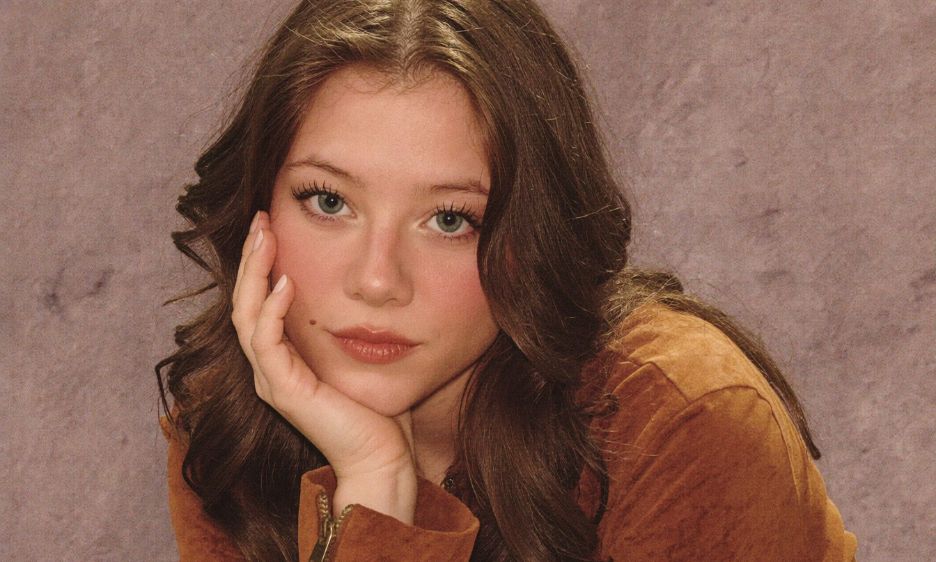
In addition to her live performance work, Holly recently collaborated on the development of a song for film and television placement through BMG Studios. This opportunity highlights her versatility and skill in adapting her vocal artistry to a variety of musical contexts and production environments.
She has cultivated a growing and engaged fanbase of over 30,000 followers across social platforms, and her weekly livestreams draw more than 500 viewers. Her audience engagement rates exceed triple industry standards, reflecting her natural ability to form meaningful connections with listeners through both digital and live performance.
All About Jazz: What instrument do you play?
Holly Day: My voice is my main instrument. I'm a singer and songwriter, and I also produce and mix my own recordings. I enjoy being part of the whole process, from the first idea to the finished song.
AAJ: Who are your teachers, mentors and influences?
HD: Dr. Raymond Gibbs has been an important mentor to me. He was an operatic tenor who spent eleven years singing with the Metropolitan Opera, so I had the opportunity to learn from someone with an extraordinary professional background. That classical training gave me a foundation I carry into everything I sing, even as I've found my own place in jazz. Ella Fitzgerald, Etta James, Frank Sinatra, and Laufey are among the artists who inspire me. Each has such a recognizable voice and a personal way of telling a story.
AAJ: When did you know you wanted to be a musician?
HD: Singing was part of my life when I was very small. Sometimes what came out sounded more like vocal warm-ups than a performance, but I was exploring what my voice could do. I didn't have a name for where it would take me. I just kept singing.
AAJ: How would you describe your sound and your approach to making music?
HD: Contemporary jazz with a pop heart, although my path here started with opera. I began there because I thought that was where my voice belonged. I found it beautiful, but I also felt constrained by the structure. Jazz gave me the freedom I was looking for, along with a complexity that keeps me curious. I love having room to explore a phrase and discover how a song feels in my own voice. Whether it's a standard or an original, I want to believe the words when I sing them.
AAJ: If you teach, what is your approach or philosophy?
HD: I don't formally teach, but I'm happy to offer ideas when someone asks. The most important thing I encourage singers to do is sing what they believe in and love. Don't sing something simply because you think it will sell. Singing is such a personal part of you, and it deserves to be expressed and respected, never taken advantage of. Learn your craft, but take care of the part of yourself that made you want to sing in the first place.
AAJ: If you could assemble your dream band, who would be in it?
HD: Since we're allowed to use our imaginations, I'll have Oscar Peterson on piano, Ray Brown on upright bass, Buddy Rich on drums, and me singing. I might need a moment to get over who was in the room before I could start! What an experience it would be to hear how they responded to one another and find my own place in that conversation.
AAJ: What's your best or worst road story?
HD: One of my favorite trips was a gig in Greenville, South Carolina. The venue owners welcomed us into their bed-and-breakfast and were so hospitable that the whole visit felt special. The afternoon before the concert, we explored Paris Mountain State Park and Falls Park on the Reedy.
Between the mountain scenery and the waterfalls downtown, we had such a beautiful day before it was even time to sing. Then we had a great gig, too! That trip brought together so many things I love: music, adventure, beautiful surroundings, and people who make you feel welcome. It's a very happy memory.
AAJ: What is your favorite venue and why?
HD: I'll answer that with a place I would love to sing: the Blue Note in New York. That name carries so much jazz history. I would love to bring my own voice and songs into that room and become a small part of its continuing story. That's a goal I would be very excited to work toward.
AAJ: What is your favorite recording in your discography and why?
HD: "If Love Were Colors" is my favorite. I love the imagery that came out of that song—the idea of love being so strong and so gripping that you can actually see it, instead of only feeling it. What would happen if someone came into your life and changed the colors of your whole world? That was such a fun idea to explore and turn into music.
AAJ: What do you hope listeners take away from your music?
HD: I hope they feel a little less alone. Sometimes a song gives you words for something you haven't quite been able to say. Sometimes it simply makes an ordinary evening feel beautiful. I would be happy to give someone either of those things.
AAJ: What's something people might be surprised to learn about you?
HD: Although I spend so much of my time in the studio, I love adventure—horseback riding, skiing, and hiking on a Grand Canyon kind of scale. I'm drawn to that sense of majesty and the feeling of being completely awake in a moment. Music and adventure both bring that out in me. One can be intensely physical, and the other can take you somewhere you can't quite explain, but both live very happily inside me.
AAJ: What was the first jazz album you bought?
HD: Frank Sinatra's Sinatra at the Sands, and I bought it as an actual record—vinyl! Frank, Count Basie's orchestra, and Quincy Jones together make quite an introduction.
AAJ: What music are you listening to now?
HD: Laufey, Samara Joy, and Stella Cole. I'm drawn to singers who bring their own personality to music with a classic sensibility. There's something exciting about hearing a younger generation find fresh ways to make that sound their own.
AAJ: What are your desert island picks?
HD: If I can take five songs, I would choose Frank Sinatra's "Fly Me to the Moon," Etta James's "At Last," Ella Fitzgerald's "A-Tisket, A-Tasket," and Laufey's "From the Start" and "Promise." That would give me romance, swing, a little heartbreak, and voices I could happily keep coming back to.
AAJ: How would you describe the state of jazz today?
HD: I'm encouraged when I hear younger listeners discovering jazz through a song they connect with. That first song can open the door to so much more. There's room for people who love the standards and people who are finding their own way into the music.
AAJ: What would you like to see more of in today's jazz world?
HD: More opportunities for people to hear it live, especially in places where they feel welcome walking through the door for the first time. I would also love to see more room for original songs alongside the standards. Both can give us something worth hearing.
AAJ: What do you listen for when you listen to music?
HD: A voice or a phrase that makes me stop what I'm doing. I notice how someone handles a lyric, where they breathe, and what they leave quiet. Sometimes the smallest moment is the one I remember.
AAJ: What have you learned about music that took you a long time to understand?
HD: You can work very hard on a song and still need to let go a little when it's time to sing it. Preparation helps, but I want to stay present enough to feel what I'm saying. I'm still learning how to trust that.
AAJ: What makes you want to play with someone again?
HD: Listening, kindness, and being prepared. I want to feel that we're making something together. When someone pays attention to the song and treats the people around them well, that makes me want another evening of music with them.
AAJ: Is there something about being a working musician that audiences rarely see or understand?
HD: How much happens around the performance. There's rehearsal, recording, mixing, planning, and all the little details that help a song reach someone. A few minutes of music can hold a surprising amount of work.
AAJ: What is your greatest fear when you perform?
HD: Getting so caught up in doing everything correctly that I miss the chance to connect with the people in front of me. I care about giving a good performance, but I also want to be there with them, enjoying the music as it happens.
AAJ: What is your favorite song to whistle or sing in the shower?
HD: The acoustics in the bathroom are amazing, so there really isn't just one song. There are hundreds of songs—and gallons of water! Picking a favorite would mean admitting that the concert has an ending.
AAJ: What do you do by day?
HD: By day and by night, I do all things music: singing, producing, mixing, promoting, rehearsing, playing gigs, meeting people, researching, and listening to amazing artists. There's always something to learn and another part of my craft to work on. It's a lot of different jobs wrapped into one, and I love it. Best job ever.
AAJ: If you weren't a jazz musician, what would you be?
HD: I'm honestly not sure what else I would do if I couldn't be a full-time jazz artist. Whatever it was, though, I can assure you I would be singing jazz while I was doing it!
AAJ: If you could go back in time and relive one experience, what would it be?
HD: I'm going to bend the question a little and choose something I wish I could have attended: the 1965 performance at the Kiel Opera House in St. Louis with Frank Sinatra, Dean Martin, and Sammy Davis Jr. To be in that audience, hearing those voices and experiencing their personalities together onstage, would have been extraordinary. I would have wanted to take in every song—and probably every little exchange between them, too.
AAJ: If you could have dinner with anyone from history, who would it be and why?
HD: Since we're talking so much about jazz, I would have to choose one of the greats: Ella Fitzgerald. I would love to ask her about phrasing, improvisation, and how she approached a song she had sung so many times before. Of course I would hope for a little advice, too. I would probably arrive with far too many questions and have to remind myself to let her eat!
AAJ: What's the song or piece of music you wish you could hear again for the first time?
HD: Wow, that feels like an impossible question. There are so many, but perhaps "Misty." It's such an amazing song. I would love to experience that melody again without already knowing where it was going—to have each phrase arrive as a surprise.
AAJ: What's next for you?
HD: My latest original is "If Love Were Colors," and I'm excited to share that part of my music with people. I want to keep developing my songwriting and making recordings that feel personal. I love the standards, and I'm also finding more of what I want to say in my own songs.
AAJ: What does your faith bring to your music?
HD: My faith is part of who I am, so it comes with me into the music. I hope there's warmth, hope, and care in what I make. Whether I'm singing a love song, a standard, or something more directly about faith, I want to mean the words and give people something good to carry with them.
 FOLLOW AAJ Staff
and get notified whenever a new article published.
A secret society of jazz writers. Their identities are unknown. Their motives are unclear. Their disdain for self-promotion is absolute.
PREVIOUS / NEXT

About Holly Dayle

Tags
Become a Sustaining Member

Since 1995, All About Jazz has championed jazz as an art form and supported the musicians who create it. Over three decades, it has grown into one of the world's leading jazz resources, serving hundreds of thousands of readers, musicians, presenters and industry professionals each month.
Help Build the Future of All About Jazz
Your support helps us continue building All About Jazz for the next generation—expanding our editorial coverage, preserving jazz history, developing new community features and creating better ways to discover the music and the people behind it.
Become a sustaining member for as little as $20 per year and you'll immediately enjoy an ad-free experience along with access to subscriber features and future articles for a full year.
Together, we're not simply sustaining All About Jazz—we're building its future. Thank you for being part of the journey.