Home » Jazz Articles » Album Review » Luke Bergman, Jason Burger, Martin Nevin: Luke Bergman, ...
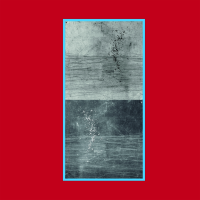
Luke Bergman, Jason Burger, Martin Nevin: Luke Bergman, Jason Burger, Martin Nevin
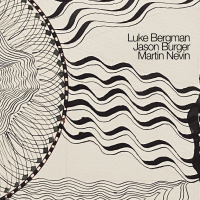
Bergman, Burger, and Kevin each bring well-traveled, mature artistic sensitivities to the album. Originally hailing from Washington state, Bergman has developed an immaculate musicality on various instruments -most notably while playing bass with the likes of Bill Frisell, Cuong Vu, and Ted Poor. Here, his weapon of choice is the pedal steel, which allows him to serve the set of mostly covers from a different vantage point. In fact, the quality of the pedal steel's slower, swelling voice, is central to the full effect of the album coming across as inherently aged and gentle, if not mildly ambiguous. Nevin's bass, in similar fashion, anchors the trio with remarkable delicacy, always active but considerate and purposed to the task at hand. Burger, coming from the bands of Andrew Bird, Big Thief, and Kenny Werner, is likewise skilled in choosing precisely the right gestures and moments where his contribution can best support the whole of the group effort. Together, these artists sound like three wise men who prefer to observe more often than describe their subject.
The music is not merely homage despite having a decidedly vintage impression. Haze, dust, and sepia tones come to mind while listening but not under the umbrella of any specific tradition. These three are not attempting to harken back to supposedly simpler times in choosing music from Duke Ellington, Kurt Weill, and Roy Orbison to speak their minds. The dialogue between them occurs in the present tense and as friends sharing impressions free from judgement, agenda or reactivity and maintaining a sense of space respectful to each other and each piece they choose. To put it another way, these players have all shown up prepared to let the moment be without intruding or needing to make themselves known. Things just exist and move for themselves like Rockwell-esque micro-tableaus.
Each piece is revisioned in a way that allows for very specific emotions and impressions to play out. Beginning with Ellington's "Reflections in D" Soft, the sequence of tracks plays out like the events of an average day depicting the billowing world of an hand-shot film yawning to life. The pieces are all treated in such a way that they feel like distinct but related scenes from the same day. Solos never feel like interruptions and the responsibility of form and structure, while somewhat evident, feels only lightly taken. Things simply rise and fall. The group's version of Simon and Garfunkel's "So Long, Frank Lloyd Wright," takes the original to a place of daytime stasis that feels like a morning which never needs to end and this is bookended (no pun intended) by an introspective take on Neil Young's "Don't Let It Bring You Down" which drives through the night in solitude without a chance of sunrise. There is a sense of the performances beginning and ending only due to the limitations of the recording process.
Predominantly written in the middle of the 20th century by American composers, it is difficult to not feel a slight sense of longing or nostalgia perhaps but consider the message in curating this set as if it were the only music that has ever existed. The songs then would define each other as much as themselves and those associations grant new life all parts and the whole. The inclusion of "A Figure Descends," the sole original work from Nevin, says that the group at least partially imagines itself in some sort of continuum with this imagined world -as opposed to paying some sort of tribute to years past. Each piece was originally written by different composers in different places at different times and at different points in different careers. Yet, the vision of this trio allows for unique nuances to rise out of the music and for each piece to feel like beats from a single extended conversation between friends. Much like the gentle sunrise of the beginning Ellington piece, the group finally dims the lights with a closing arrangement of Angelo Badalamenti 's "The Voice of Love" from David Lynch's film Fire Walk With Me. All of the tonal hues from the preceding tracks begin running together, forming a pathos-drenched rainbow of ineffable qualities before softly evaporating with the final few notes of Bergman's last chord.
 FOLLOW Max Kutner
and get notified whenever a new article published.
FOLLOW Max Kutner
and get notified whenever a new article published.
Max Kutner is a guitarist and composer originally from Las Vegas, NV and currently based in Brooklyn, NY.
Track Listing
Reflections in D; So Long, Frank Lloyd Wright; Goodbye Pork Pie Hat; Boplicity; Don't Let It Bring You Down; West Wind; A Figure Descends; Just Let Me Make Believe; Blood Count; The Voice of Love
Personnel


Album information
Title: Luke Bergman, Jason Burger, Martin Nevin | Year Released: 2025 | Record Label: Self Produced
About Luke Bergman
Tags
PREVIOUS / NEXT


Become a Sustaining Member

Since 1995, All About Jazz has championed jazz as an art form and supported the musicians who create it. Over three decades, it has grown into one of the world's leading jazz resources, serving hundreds of thousands of readers, musicians, presenters and industry professionals each month.
Help Build the Future of All About Jazz
Your support helps us continue building All About Jazz for the next generation—expanding our editorial coverage, preserving jazz history, developing new community features and creating better ways to discover the music and the people behind it.
Become a sustaining member for as little as $20 per year and you'll immediately enjoy an ad-free experience along with access to subscriber features and future articles for a full year.
Together, we're not simply sustaining All About Jazz—we're building its future. Thank you for being part of the journey.