Home » Jazz Articles » Mr. P.C.'s Guide to Jazz Etiquette and Bandstand Decorum » July 2013
July 2013

Why does it seem like the better the music is on a gig, the less it pays? - Aiden
Dear Aiden:
Well, obviously, better music is more "fun," and therefore less work. The less work you're doing, the less you should get paid.
What part of that don't you "get"? All I can think of is that maybe better music somehow isn't more fun for you; you prefer music that's artless and laborious. But then, you see, since you actually like soul-crushing music, it isn't work for you, so you still don't deserve much pay.
Who should get paid less—other players, for having fun playing better music, or you, for having fun playing worse music? Of course there's no "right" answer, except that all of you should be paid less than a musician who simply hates everything he plays, and thereby totally earns and deserves every penny.
Incidentally, that's why so many jazz musicians refuse to smile on stage—they're trying to jack up their pay!
Dear Mr. P.C.:
How come the minute I accept a gig, I get calls for all these other gigs, and most of them are better than the one I took? Murph E. Slaw
Dear Murph:
They're not really better; they just look better because you don't have them. It's a textbook example of "The other man's grass is always greener."* That mentality is especially prevalent in the jazz world because of the insidious nature of jazz gigs—the better you get to know them, the worse they turn out to be.
On the positive side: At least you're getting lots of calls. If you weren't getting any calls, then every gig would look good to you. And that would be clinically delusional!
*Or, in Washington and Colorado, "The other man's grass is always stronger."
Dear Mr. P.C.:
I think it was characteristically forward-thinking of Miles Davis to have written Solar, clearly a tribute to green energy. Why does everyone pronounce it "soul-R"? Anton S.
Dear Anton:
I assume you're referring to other musicians, and I can tell you that they have their own agenda, one that's not the least bit green. Think about it: Jazz artists aren't exactly models of fuel efficiency. In fact, most of them are studies in excess and waste.
Excess: Drummers playing too loud, trumpeters playing too high, and guitarists playing too drunk.
Waste: Saxophonists pillaging boxes of reeds to find one they like, only to trash it after their first bad solo; trumpet players callously dumping their spit on stage instead of recycling it; and pianists stacking up notes in gratuitous chord alterations.
And while these players might argue that they're powered by an alternative energy resource—alcohol—it's grossly inefficient, lasting for just a set. Sure, it's renewable—each break it's expelled in the urinal and replenished at the bar. But it's far from sustainable, as we see at the end of the night when the musicians pitch forward headfirst, faces planted in their music, bleary-eyed and slobbery.
Think they're dreaming about biofuel, wind turbines and solar energy, Anton? If you do, I've got a jazz club to sell you, low maintenance and highly profitable, with a stage full of seasoned, sober and smiling musicians!
Have a question for Mr. P.C.? Ask him.
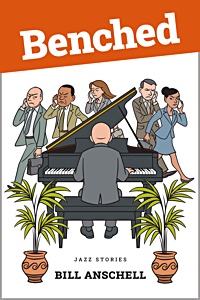
Get 'Benched!'
Benched, Bill Anschell's debut book of short stories / jazz humor. The stories are interspersed with the very best of Mr. P.C., hand-picked from the 400+ questions answered over the column's 16-year history. Benched is available on Amazon (paperback and Kindle) and most online booksellers.
Tags
PREVIOUS / NEXT


Become a Sustaining Member

Since 1995, All About Jazz has championed jazz as an art form and supported the musicians who create it. Over three decades, it has grown into one of the world's leading jazz resources, serving hundreds of thousands of readers, musicians, presenters and industry professionals each month.
Help Build the Future of All About Jazz
Your support helps us continue building All About Jazz for the next generation—expanding our editorial coverage, preserving jazz history, developing new community features and creating better ways to discover the music and the people behind it.
Become a sustaining member for as little as $20 per year and you'll immediately enjoy an ad-free experience along with access to subscriber features and future articles for a full year.
Together, we're not simply sustaining All About Jazz—we're building its future. Thank you for being part of the journey.