Home » Jazz Articles » In Pictures » From Mystery to Momentum: Bill Frisell’s Quartet at The ...
From Mystery to Momentum: Bill Frisell’s Quartet at The Jazz Gallery
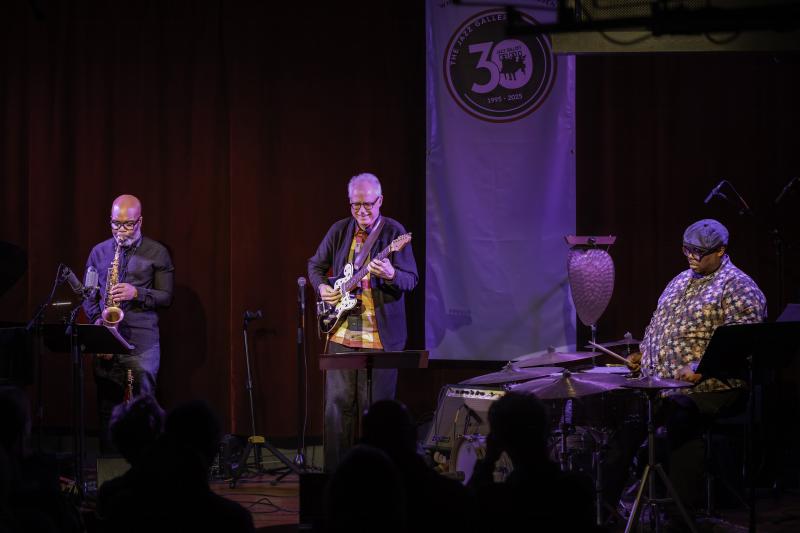
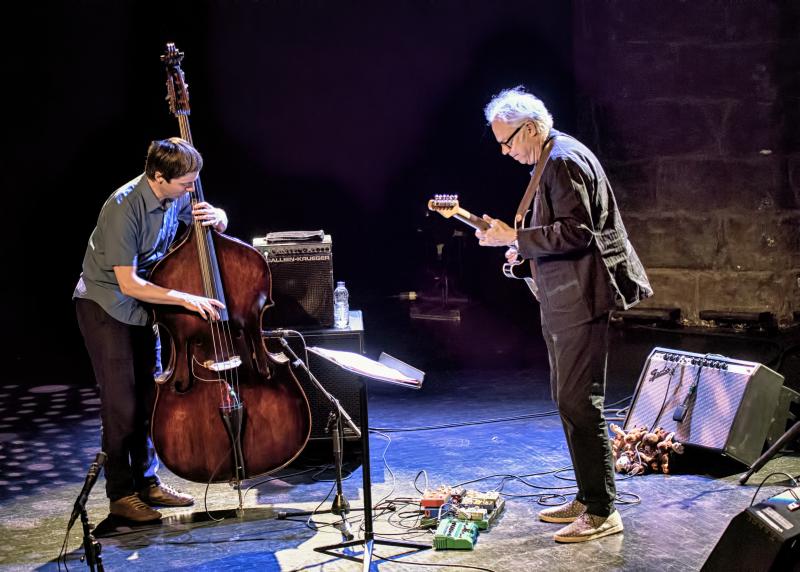
About halfway through the set, it dawned on me that they were playing without a bassist. In Frisell's trios, the bass is not merely a foundation but an independent melodic voice, often entrusted to long-time collaborators such as Thomas Morgan or Tony Scherr. In his quartet projects, however, Frisell has grown increasingly comfortable leaving the bass out altogether, as reflected in his 2024 release Four. In a Frisell quartet like this one, the absence of bass opens the music in distinctive ways, giving the other musicians more room to shape harmony and time together and encouraging the spacious, highly interactive conversation that is so central to his style.
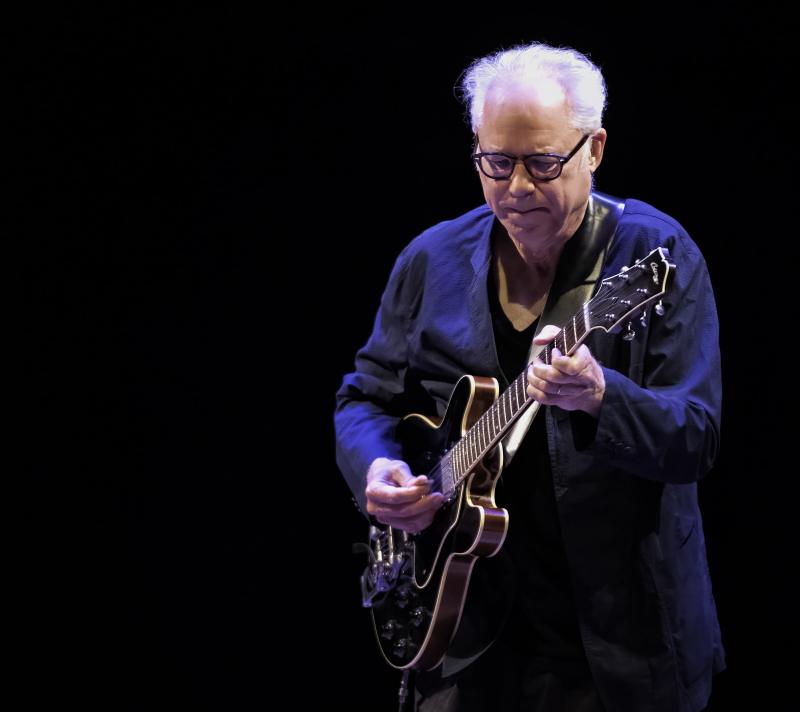
Frisell has had a long relationship with Thelonious Monk's music, and it has been a central thread in his repertoire and recorded history. He is fully fluent in Monk's language, namely its odd intervals, rhythmic wit, and abrupt turns and pauses. At the same time, he makes the music unmistakably his own while preserving its essential Monk-ness. Frisell rounds the corners, translating Monk's percussive angles into a warmer, more open, and more lyrical sound. The set opened with a beautiful rendition of "Misterioso," one of Monk's most distinctive and immediately recognizable tunes, a familiar blues form, albeit with a twist. This was followed by Frisell's "Strange Meeting," a signature composition and one he has returned to often enough to feel like a modern standard. Although "Strange Meeting" is musically quite different from Monk's "Misterioso," the pairing created a similar mood of mystery and suspense, revealing itself gradually through deliberate spaces and unanswered turns that kept you leaning in, listening for what came next.
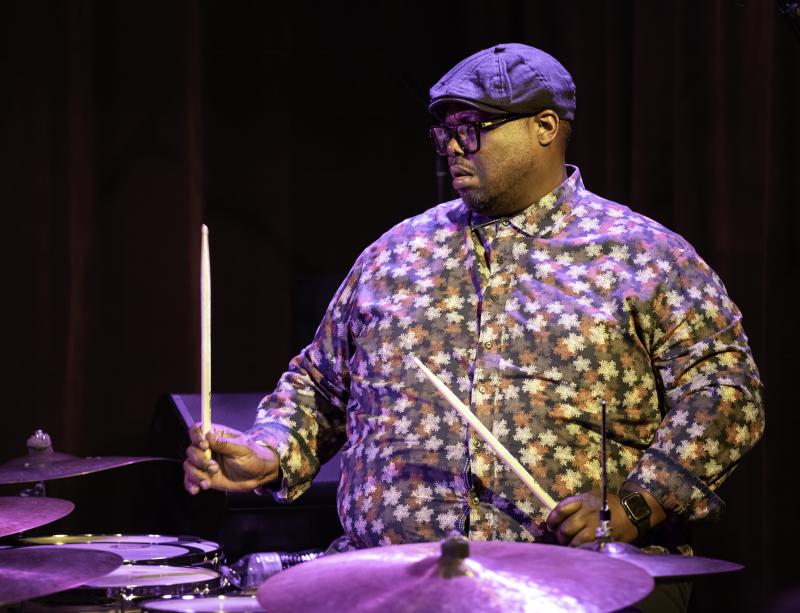
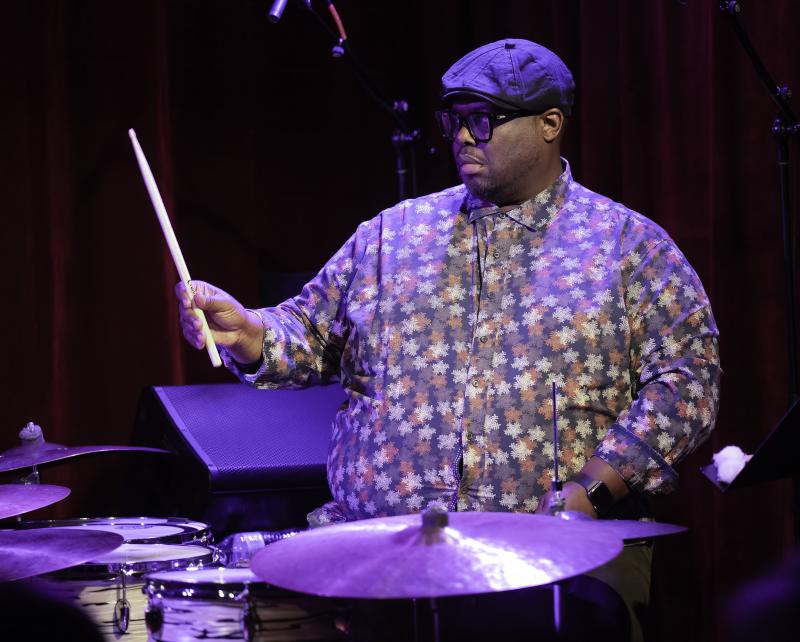
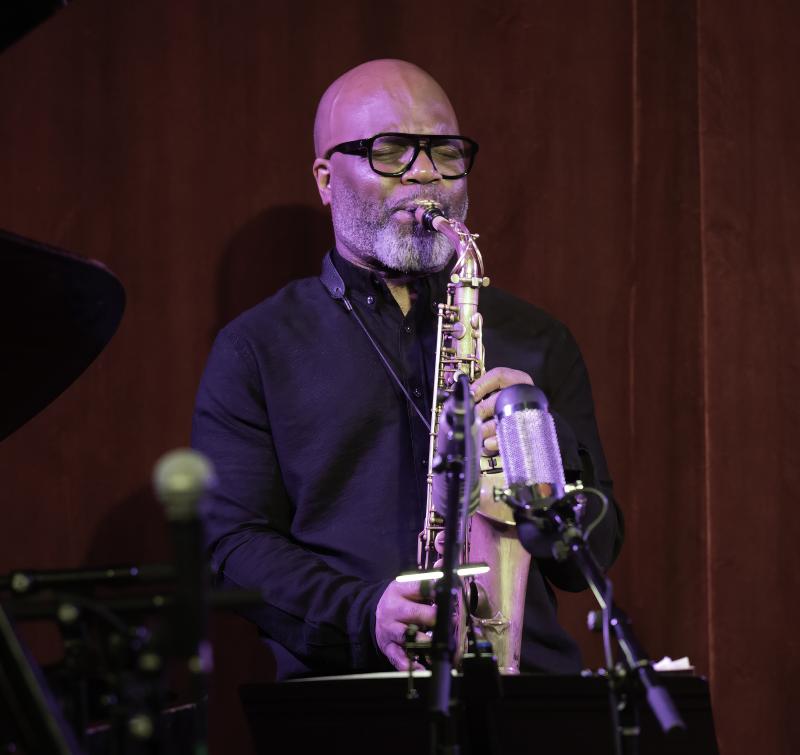
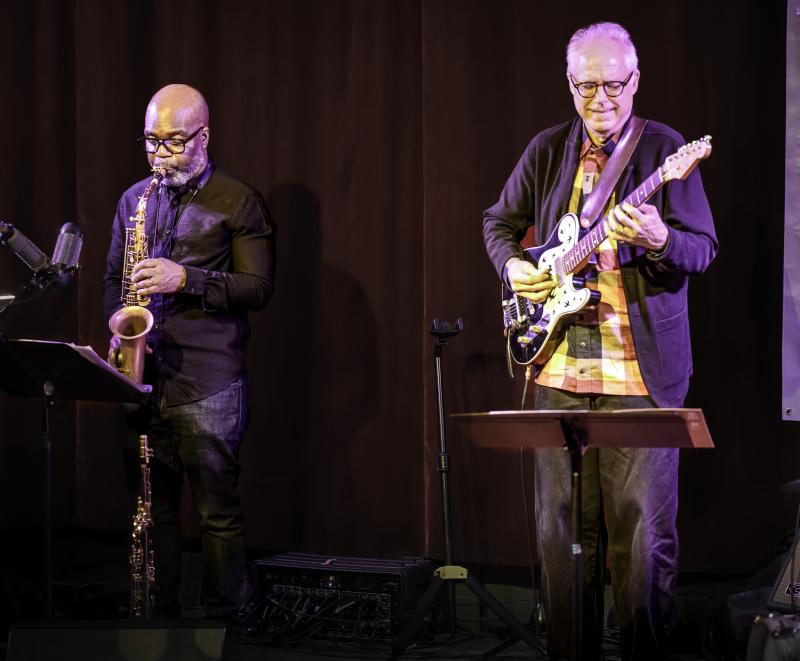
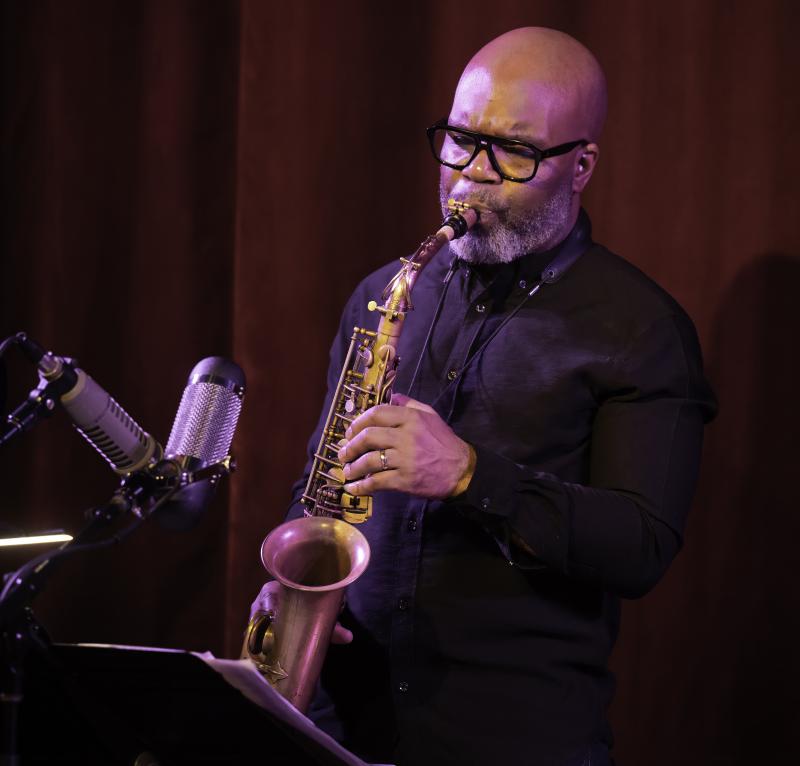
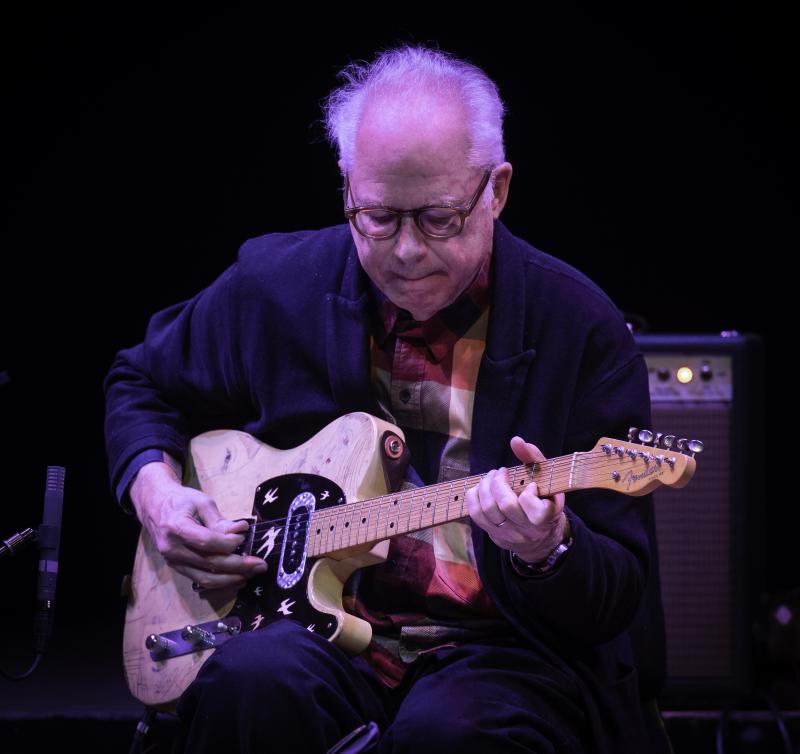
"Light Blue" is one of those Monk tunes that is instantly recognizable and can play in your head for hours after a show, yet I always struggle to come up with the song's name. It was treated here as a slow, gorgeous soundscape, with the absence of bass allowing the harmony to breathe and drift. Shaw and Frisell introduced the hymn-like melody gently in unison, while Campbell supplied only the most essential, ringing chords and Blake kept the pulse suspended with brushes and light cymbal color. Blake's playing was spare and deeply supportive through most of the set, yet he still uncorked a couple of explosive solos that lit up the room and produced genuine fireworks. Campbell followed with a spare, quietly authoritative solo, then Shaw stretched out in long, lyrical phrases. Frisell delivered the emotional knockout with pure sustain and space before the quartet returned to the melody and let the final chord fade into silence. It stands as one of the clear highlights of the evening.
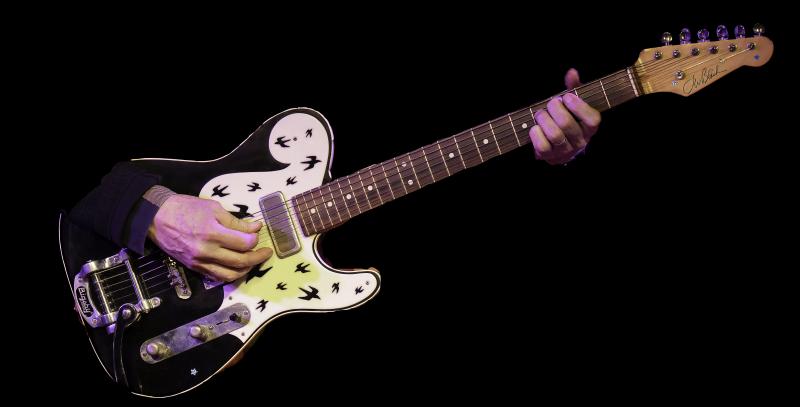
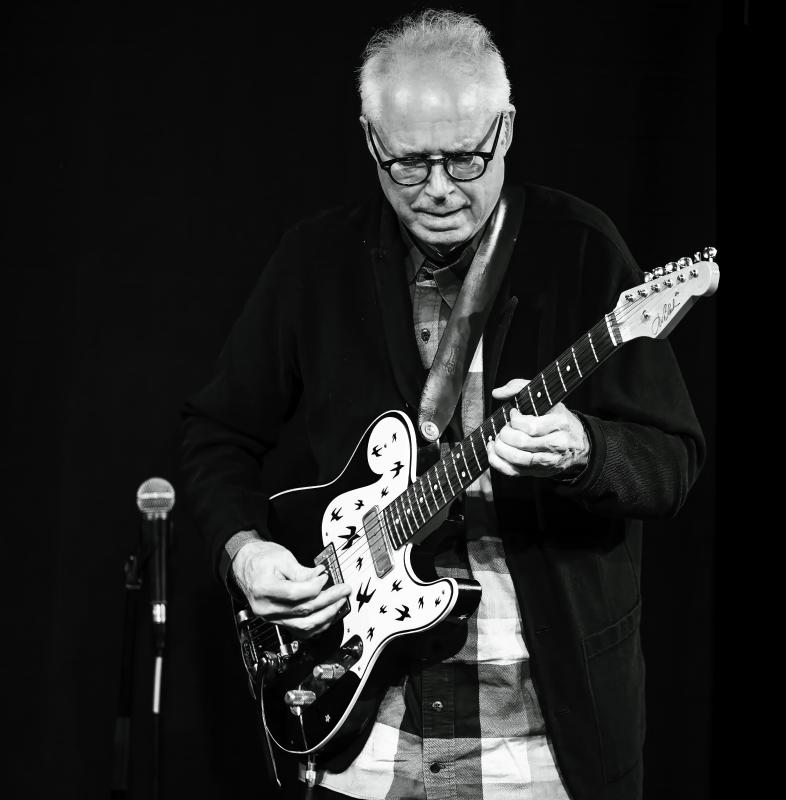
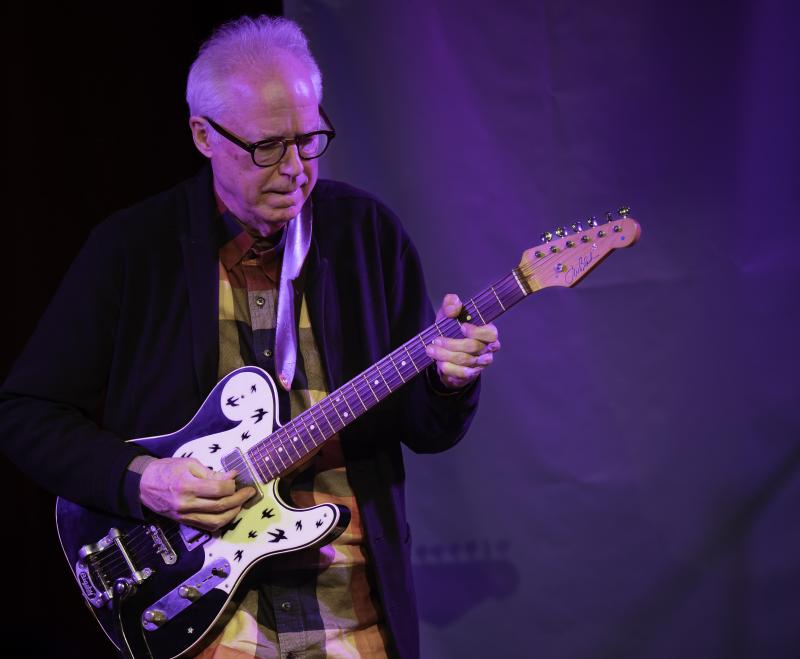
The middle of the set was framed by two ballads. "Who Can I Turn To" received a deeply lyrical, sentimental reading, with Shaw's alto carrying the fragile melody over a slow pulse. Frisell's guitar, using gentle Bigsby vibrato, a whammy bar for those of us raised on rock, and long, sustained chords, created a warm, inviting atmosphere that held the tune's emotional weight. "I'm Getting Sentimental Over You," the achingly beautiful 1930s ballad of longing and regret long associated with Tommy Dorsey and covered countless times, most memorably perhaps by Ella Fitzgerald, became a fourteen-minute meditation on memory and vulnerability. The quartet played with such emotional conviction that it felt as if they were singing the lyrics instrumentally: "I thought I was happy, I could live without love / Now I must admit, love is all I'm thinking of." The tune slipped, at times almost imperceptibly, into Frisell's own sound world, so convincingly it could pass for one of his compositions. Frisell's guitar became the piece's soul, shaping a yearning, aching voice that seemed to float free of the instrument itself. Campbell answered with spare, lyrical piano phrases that felt like careful breath and thought, all held together by Blake's delicate, almost ethereal brushwork. It felt less like a performance of a standard than an exquisitely shaped lament.
The quartet still had a couple of curveballs left to throw our way. "Tales From the Far Side," originally written for Gary Larson's 1994 animated television special, was the set's most unclassifiable moment, slow, controlled, and oddly compelling, like progressive folk-jazz chamber music, whatever that means. It built patiently, layer by layer, with guitar and piano settling into a simple, repetitive foundation over Blake's martial, unhurried pattern, until Shaw introduced the quirky little theme and Frisell began to elaborate it as if a sly cinematic narrative were unfolding, something drawn straight from Larson's off-kilter cartoon universe. The result was theatrical and tense, but also quietly funny, a left-field choice that clearly gave Frisell and the band real pleasure.
And then, without pausing, they flipped the switch. The seamless segue into "S.K.J.," Milt Jackson's straight-ahead blues best known from Bags Meets Wes!, provided the set's final, exhilarating release. Taken at a brisk tempo, it came off as a hard-swinging reminder of the tradition's long arc and its forward momentum. The quartet's flawless pivot from abstract chamber jazz to high-energy, straight-ahead blues provided an emphatic close to a memorable and deeply enjoyable set.
 FOLLOW Dave Kaufman
and get notified whenever a new article published.
FOLLOW Dave Kaufman
and get notified whenever a new article published.
Dave loves photographing both jazz and wildlife.



About Bill Frisell

Tags
PREVIOUS / NEXT

Bill Frisell Concerts
Become a Sustaining Member

Since 1995, All About Jazz has championed jazz as an art form and supported the musicians who create it. Over three decades, it has grown into one of the world's leading jazz resources, serving hundreds of thousands of readers, musicians, presenters and industry professionals each month.
Help Build the Future of All About Jazz
Your support helps us continue building All About Jazz for the next generation—expanding our editorial coverage, preserving jazz history, developing new community features and creating better ways to discover the music and the people behind it.
Become a sustaining member for as little as $20 per year and you'll immediately enjoy an ad-free experience along with access to subscriber features and future articles for a full year.
Together, we're not simply sustaining All About Jazz—we're building its future. Thank you for being part of the journey.