Home » Jazz Articles » Album Review » Ted Nash: Portrait in Seven Shades
Ted Nash: Portrait in Seven Shades
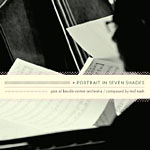
Portrait in Seven Shades is Nash's entry as an JLCO resident composer and the focus here is avowedly European (a stark contrast with Congo Square's Africa via New Orleans). Each of the seven movements takes inspiration not only from a particular painter, but also from a set of specific canvases in that artist's oeuvre, as explained in the CD booklet. The orchestration points to Duke Ellington and Gil Evans in roughly equal measure, although hard-bitten blues vocabulary plays an overt role, most notably in Dan Nimmer's swinging piano trio setup on "Matisse." Perhaps most striking is the unsettled 13/8 meter and smeary high-register brass of "Dali," which apportions solo space between trumpeter Marcus Printup, drummer Ali Jackson and Nash on alto saxophone.
JLCO head and star trumpeter Wynton Marsalis follows trombonist Vincent Gardner with a fiery statement on the multi-sectioned, cubist-inspired "Picasso." Gardner returns for a romantic, Johnny Hartman-esque vocal feature—something altogether new in Nash's writing—on the ballad "Van Gogh," again offset by Marsalis as the featured horn. Later, jittery swing and tumbling swirls of eighth notes set the stage for the closing "Pollock." Only "Chagall," with accordionist Bill Schimmel, violinist Nathalie Bonin and tubaist Wycliffe Gordon articulating Jewish/Eastern European themes, seems a bit strained and obvious in trying to connect sound and subject matter. The other movements leave more to the imagination. Listeners are free to read Nash's lucid explanations in the notes or simply let the music connect the dots.
 FOLLOW David Adler
and get notified whenever a new article published.
FOLLOW David Adler
and get notified whenever a new article published.
David writes about jazz and politics.
Track Listing
Monet; Dali; Matisse; Picasso; Van Gogh; Chagall; Pollock.
Personnel
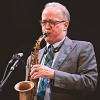
Ted Nash
saxophoneJazz at Lincoln Center Orchestra
Album information
Title: Portrait in Seven Shades | Year Released: 2010 | Record Label: The Orchard
About Ted Nash
Tags
PREVIOUS / NEXT

Ted Nash Concerts
Become a Sustaining Member

Since 1995, All About Jazz has championed jazz as an art form and supported the musicians who create it. Over three decades, it has grown into one of the world's leading jazz resources, serving hundreds of thousands of readers, musicians, presenters and industry professionals each month.
Help Build the Future of All About Jazz
Your support helps us continue building All About Jazz for the next generation—expanding our editorial coverage, preserving jazz history, developing new community features and creating better ways to discover the music and the people behind it.
Become a sustaining member for as little as $20 per year and you'll immediately enjoy an ad-free experience along with access to subscriber features and future articles for a full year.
Together, we're not simply sustaining All About Jazz—we're building its future. Thank you for being part of the journey.