Home » Jazz Articles » Jazz Emerges » Part 1: New Orleans Brass Bands 1950-1990
Part 1: New Orleans Brass Bands 1950-1990
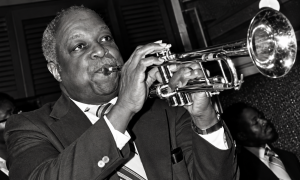
A lifelong preoccupation with traditional New Orleans jazz inspired my book, Preservation Hall (W.W. Norton, 1991). While doing my own shooting, I uncovered a trove of historical photos I decided to mix with my own (sources available on request). Like the music itself, this project is a blend of old and new, personal and professional. Blogs, like recordings, add a fresh dimension to a traditional art.
In the 1970s and '80s I paid regular visits to New Orleans. I was invited to play with some of the brass bands. In the sweltering streets and shuttered funeral homes, I juggled a clarinet in one hand and a camera in the other—not easy to do, or forget.
Jazz was born in the 1890s when strutting brass men and parade drummers, performing street marches and wailing spiritual dirges, went indoors, or up onto park bandstands, for "sit down jobs." There, the marches merged with country blues, parlor ragtime, and popular dance songs utilizing stringed instruments like the guitar and piano. By the early 20th century, in these cultural wetlands near the mouth of the Mississippi, a new music had been spawned: a spicy, varied gumbo of black, white, and Creole ingredients.
As jazz evolved worldwide, its earliest style was preserved in the city of its birth. Many first and second-generation players remained active into the 1960s and beyond. As younger devotees took over, the music changed subtly—some would argue for the worse—as the old decorum, dress codes, and refined musicianship gradually gave way, like the French Quarter, to a more touristic style. But that kind of regret for a faded past has always marked a city that remains unlike the rest of America.
For me, the photographs in this and succeeding posts evoke nostalgia for a host of friends—a whole subculture, really—now largely gone. Their music is part of me.

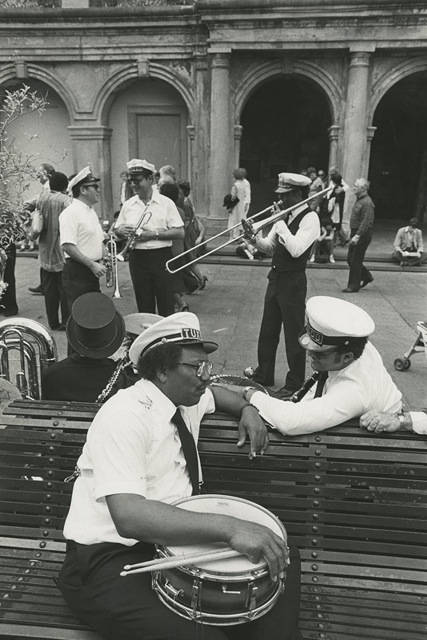
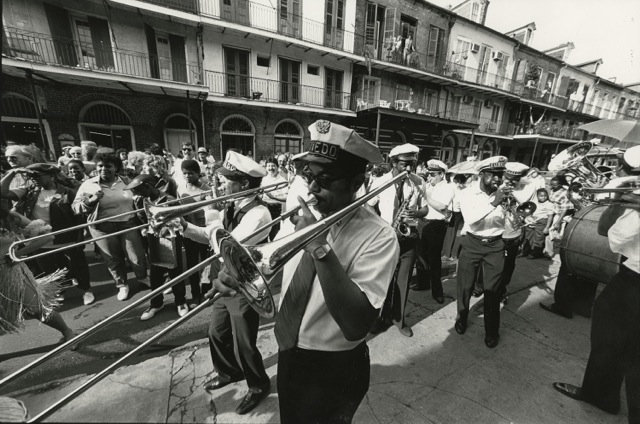
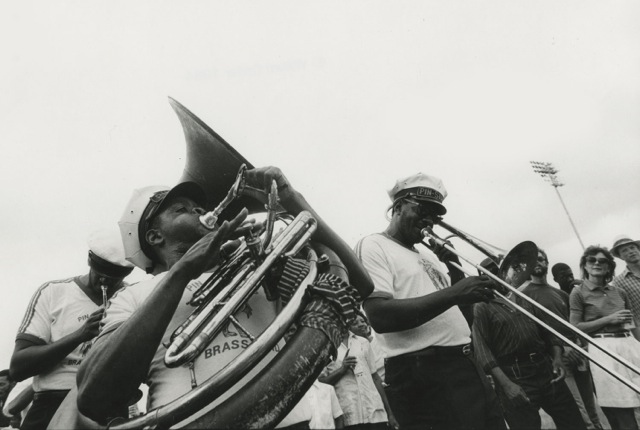
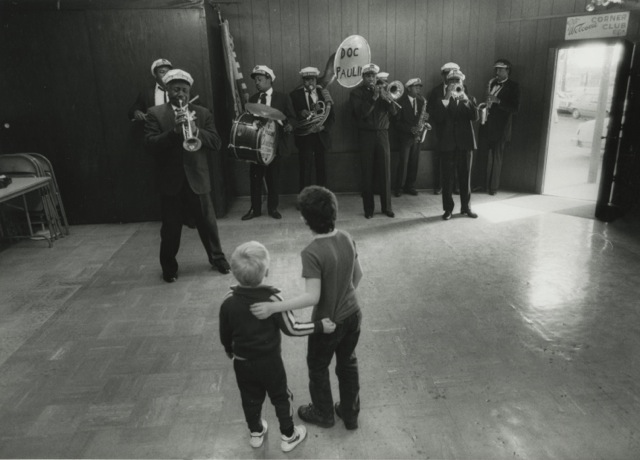
Photo Credit
William Carter
 FOLLOW William Carter
and get notified whenever a new article published.
FOLLOW William Carter
and get notified whenever a new article published.
William is a fine art photographer, author and trad jazz clarinetist.
About William Carter

Tags
PREVIOUS / NEXT

Become a Sustaining Member

Since 1995, All About Jazz has championed jazz as an art form and supported the musicians who create it. Over three decades, it has grown into one of the world's leading jazz resources, serving hundreds of thousands of readers, musicians, presenters and industry professionals each month.
Help Build the Future of All About Jazz
Your support helps us continue building All About Jazz for the next generation—expanding our editorial coverage, preserving jazz history, developing new community features and creating better ways to discover the music and the people behind it.
Become a sustaining member for as little as $20 per year and you'll immediately enjoy an ad-free experience along with access to subscriber features and future articles for a full year.
Together, we're not simply sustaining All About Jazz—we're building its future. Thank you for being part of the journey.