Home » Jazz Articles » Jazz Fiction » Ignition of the Ages: Sonny Sharrock’s Seismic Siege of ...
Ignition of the Ages: Sonny Sharrock’s Seismic Siege of the Detroit State Theatre
Courtesy AI
By George Mooney
In 1992, I was a snot-nosed punk rocker deep into grunge with virtually no knowledge of jazz. I was writing for the Detroit music weekly Kick Out the Jams, and my world was about to be turned upside down.
The Backstory: The Buffalo Revelation
According to the local grapevine, Flea—the hyper-kinetic, bass-slapping heart of the Red Hot Chili Peppers and longtime jazz fan—had seen a ghost in Buffalo. He'd slipped into a basement club called The Tralfamadore after a soundcheck, looking for some swinging jazz to balance out the adrenaline of the tour. He found it in the form of a man named Sonny Sharrock, whose seminal album Ask the Ages (M.o.d. Technologies, 2015) had just been released, signaling a fierce new chapter for the "Master of the Screaming Guitar."Flea stood there as Sharrock raised a Les Paul and let out a sound so pure and terrifying it felt like the room had run out of oxygen. Flea didn't just hear the music; he saw the lineage. He went backstage, stammering like a fanboy, and begged Sharrock to bring his band to open for the Peppers in Detroit. Sonny looked at him, paused, and then gave a slow, knowing nod. The deal was sealed.
The Performance: Shards of Glass and Crimson Fire
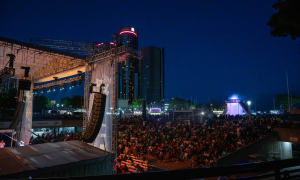
By "Silver Rocket"So, I'm at the State Theatre on Tuesday, right? Ready to watch Flea do some shirtless handstands and Anthony Kiedis mumble about California for the hundredth time. The room is packed with 3,000 suburban kids in flannel who think "heavy" is a Jane's Addiction B-side.
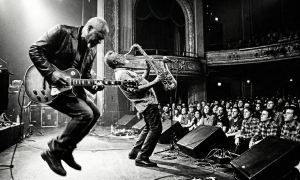
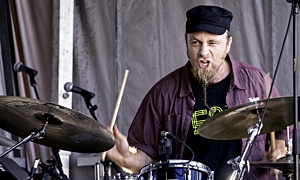
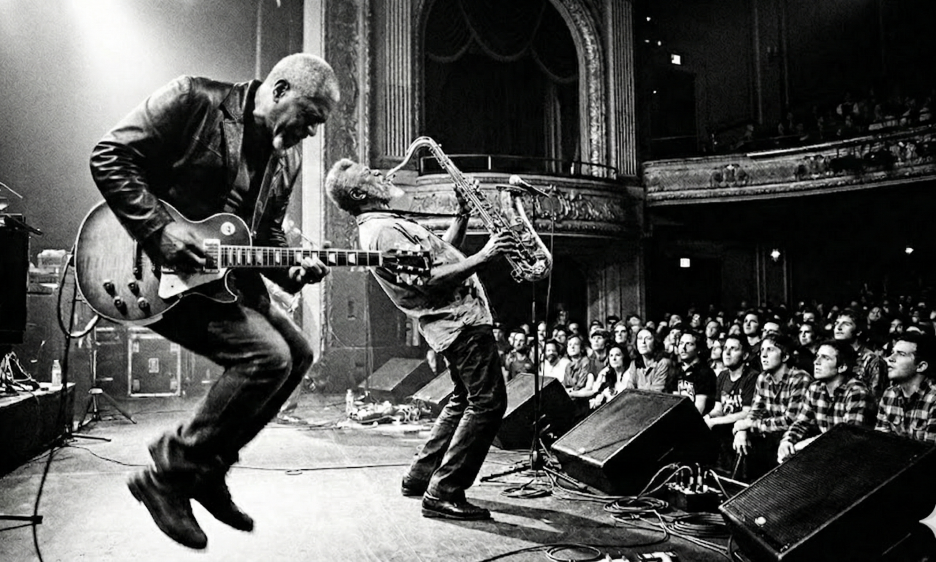
Flea comes out, looking like he just had a religious experience in a dumpster, and introduces "the greatest musicians on the planet." Out walks four guys who look like they're here to fix the plumbing. No Marshall stacks. No neon. Just an old guy with a white beard behind a drum kit—turns out that was Elvin Jones, who apparently taught God how to keep time—and a guy in a leather jacket with close-cropped grey hair and a Les Paul named Sonny Sharrock.
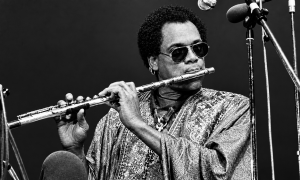
And then there was Pharoah Sanders.
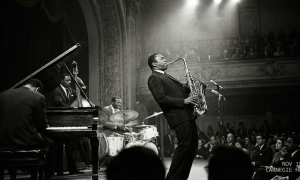
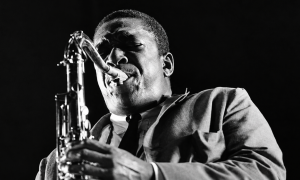
The guy looked like he'd just stepped off a spacecraft from the 12th dimension. He was draped in a floor-length West African dashiki—a kaleidoscope of gold, deep indigo, and crimson. Above the fabric sat a face that looked like it had been carved out of ancient history, punctuated by a striking, vibrant flowing white beard that caught the stage lights like a dying ember.
At first, it was a massacre. Detroit isn't known for its patience, and the crowd treated these legends like they were playing an elevator. Boos, middle fingers, and enough "Play some funk!" yells to fill a dumpster. It was "jazz," and to a room full of kids waiting to mosh, jazz is a four-letter word.
But then, Sharrock and Sanders started swinging back.
On "Many Mansions," they weren't playing music; they were playing a localized riot of electricity and bone. By the time they hit "As We Used to Be," the jeers started to falter. Pharoah raised that horn, his white beard vibrating against the brass, and let out a multiphonic shriek that sounded like the theater was being torn in half. It wasn't a melody; it was a prayer shouted into a hurricane.
Side stage, I saw Flea leaning against a monitor, tears streaming down his face. Later, he'd swear he saw the ghosts of John Coltrane and Jimi Hendrix hovering over the stage like twin guardians of the avant-garde.
By the time Jones and Sharrock reached the "shards of glass" peak of "Promises Kept," the hostility turned into a weird, stunned reverence. The crowd didn't just clap; they screamed. It was the sound of 3,000 people realizing they'd been mugged by the cosmos and wanting to go back for seconds. Flea was right—we didn't know what "heavy" was. Now we do.
The Verdict: Sonny Sharrock and Pharoah Sanders just rearranged the DNA of the Detroit underground. If you weren't there, you missed the night the fire returned.
The Morning After: The Search for the Source
The morning after was a Detroit classic: gray, biting, and smelling of damp pavement. I headed straight to Sampler's Records on Cass Avenue.The shop didn't open until ten, but there was already a small, bedraggled huddle of people standing under the rusted awning. I recognized the kid at the front of the line. He'd been the one screaming for "Higher Ground" and flipping the bird at Sonny Sharrock for the first twenty minutes of the set. Now, he looked like he'd been through a spiritual car wash—eyes bloodshot, holding a crumpled twenty-dollar bill like it was a ticket out of purgatory.
Behind him were three Vietnam vets I'd seen near the soundboard. They looked remarkably refreshed, standing tall in their denim jackets. When the door finally creaked open, we all made a beeline for the back, to a dusty bin labeled AVANT-GARDE / FREE JAZZ.
"Big Al," the owner, pulled out a stack of CDs with a cover that looked like a blue-tinted fever dream: Ask the Ages. As I walked back out into the Detroit chill, I saw that flannel-clad kid sitting on the curb, tearing the plastic wrap off the CD with his teeth.
The "Silver Rocket" was grounded. My world had been rearranged by a white-bearded high priest and a man in a leather jacket who played guitar with the shards of his own soul. Detroit was still gray, still cold—but for the first time in my life, the air finally felt like it was breathing.
Editorial Note: The Frequency Shift
From the Desk of "Hardline" Hank, Editor-in-Chief, Kick Out the JamsI've been running this rag since the Stooges were still playing basement parties, and I thought I'd seen every flavor of Detroit madness. But the mail we're getting about Tuesday night at the State Theatre is something else.
Half of you are writing in to complain that your ears are still bleeding. The other half sound like you've just been abducted by aliens and had your third eyes pried open with a tire iron. Detroit has always been a town built on iron and noise. Sonny Sharrock just reminded us that noise can be a prayer if you play it loud enough.
To the kids who stayed and cheered: welcome to the deep end. The rest of us were busy watching the air catch fire.
—Hank
 FOLLOW Dave Kaufman
and get notified whenever a new article published.
FOLLOW Dave Kaufman
and get notified whenever a new article published.
Dave loves photographing both jazz and wildlife.
About Sonny Sharrock

Tags
PREVIOUS / NEXT


Become a Sustaining Member

Since 1995, All About Jazz has championed jazz as an art form and supported the musicians who create it. Over three decades, it has grown into one of the world's leading jazz resources, serving hundreds of thousands of readers, musicians, presenters and industry professionals each month.
Help Build the Future of All About Jazz
Your support helps us continue building All About Jazz for the next generation—expanding our editorial coverage, preserving jazz history, developing new community features and creating better ways to discover the music and the people behind it.
Become a sustaining member for as little as $20 per year and you'll immediately enjoy an ad-free experience along with access to subscriber features and future articles for a full year.
Together, we're not simply sustaining All About Jazz—we're building its future. Thank you for being part of the journey.