Home » Jazz Articles » Album Review » Sue Cahill: Evanstonia
Sue Cahill: Evanstonia

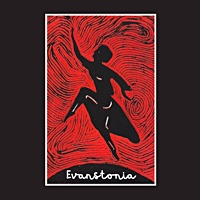
Evanstonia is a mellow bit of magic. It is never truly meant to challenge, but it is hardly derivative and hardly without surprise and vast delight. "Violet Snow" evolves into a thoroughly engaging journey through the aging process to vintage. And it all takes place after the chamber-esque discordance that opens the track.
As explained in the press material, Cahill sets aside her university teaching and orchestral underpinnings on Evanstonia to flourish in the fertile flatlands of theory and improvisation. So an ominous tango like the lustrous "Serenata" sounds right at home against the poppy ruse of "Unpresidented," and the sweeping romance of "Blue Light."
Of Evanstonia 's seven Cahill compositions, it is perhaps "Fading Into Autumn" where the composer and her music owes a hefty debt to the deft trio the bassist has assembled to support her. Pianist Dawn Clement (Matt Wilson, Buster Williams) is so much of one voice with Cahill that one might, in fact, first think the bassist's main instrument was the piano. It is lush. It is romantic. It is responsive and reactive. It is Cahill's second voice. Meanwhile, the drummer unfolds both shadows and the light, popping here, shuffling there, ready at any moment to take the lead or release it.
Though "June-February" may be meant as the emotional peak of the 'personal music' Cahill pursues on the album, it is, unfortunately, the most distracting track. Sung by pianist Clement, the lyrics are those of loss and resiliency." The tune moves solemnly, beautifully, meaningfully. But it breaks the enduring spell of the album's six previous gems.
Track Listing
Evanstonia; Blue Light; Fading to Autumn; Violet Snow; Serenata; Unpresidented; June February.
Personnel


Additional Instrumentation
Dawn Clement: vocals, #7.
Album information
Title: Evanstonia | Year Released: 2026 | Record Label: Self Produced
About Sue Cahill
Tags
PREVIOUS / NEXT


Become a Sustaining Member

Since 1995, All About Jazz has championed jazz as an art form and supported the musicians who create it. Over three decades, it has grown into one of the world's leading jazz resources, serving hundreds of thousands of readers, musicians, presenters and industry professionals each month.
Help Build the Future of All About Jazz
Your support helps us continue building All About Jazz for the next generation—expanding our editorial coverage, preserving jazz history, developing new community features and creating better ways to discover the music and the people behind it.
Become a sustaining member for as little as $20 per year and you'll immediately enjoy an ad-free experience along with access to subscriber features and future articles for a full year.
Together, we're not simply sustaining All About Jazz—we're building its future. Thank you for being part of the journey.