Home » Jazz Articles » Jazz Raconteurs » Todd Barkan: Early days of Keystone Korner
Todd Barkan: Early days of Keystone Korner
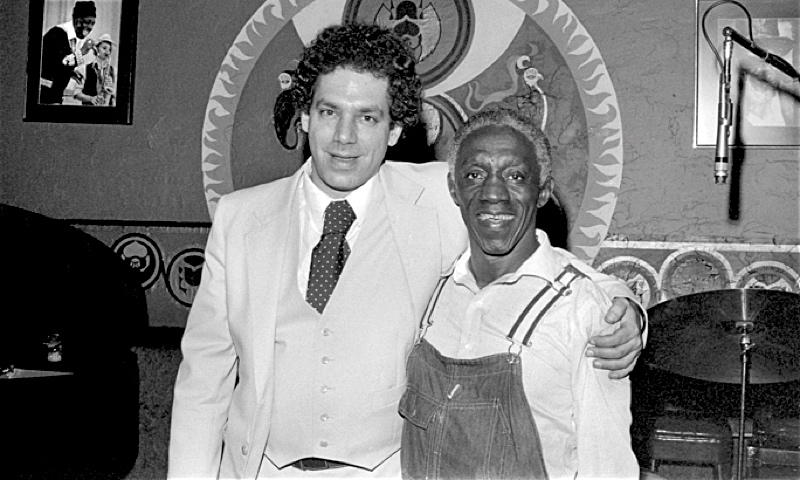
Courtesy Brian McMillen
At the end of June that year, I went by to visit Freddy Herrera, the owner of a little North Beach blues bar called Keystone Korner to try and get a Monday night gig for my band. After I gave him our little press kit with a cassette, Freddy told me that "jazz really doesn't draw in my club, and the audiences for that music don't really drink a lot of beer, which is all we serve here, so I don't think I could ever make any real money with your band, no matter how good it is."
After a long pause, Freddy must have had some sympathy for me, because he asked me one of the most remarkable questions I've been asked in my life on earth, "Listen, Todd, if you really want to have your group play regularly in North Beach, why don't you just buy this little joint and hire your own band? I'm now in the process of trying to buy a much bigger rock club over in Berkeley, and I'm trying to raise the down payment this week to make the deal."
I told Mr. Herrera that I only had a grand total of $8,000 to my name, an amount that I was saving up to take my first nice vacation in Europe or Brazil. Freddy told me to come back in a couple of days, and "bring your checkbook, and we will see what we can work out."
Two days later I was signing a contract to buy the lease and the seats for a 150-seat nightclub in San Francisco for $12,500. with $5,000, down and $400 per month, and paying another $750. to the Alcoholic Beverage Control Board to transfer the beer license to my name. Freddy even threw in two free nights with the band of Jerry Garcia and Merl Saunders, who owed a favor to the club for having canceled a couple of times recently on short notice.
At the age of 25, I really had no experience whatsoever in running a bar or a business of any kind, but as a young musician and avid fan, I had developed an intense passion and love for jazz since my childhood, and that was invaluable to helping me to build Keystone Korner into a successful artistic institution.
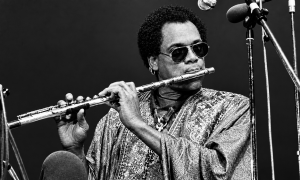
I've also been blessed with some very dear friends in the jazz community like Rahsaan Roland Kirk, Freddie Hubbard, McCoy Tyner, Ron Carter, and Elvin Jones, who performed a Benefit Concert for Keystone Korner at the 3500-seat Paramount Theater in Oakland in February, 1975, which enabled us to buy a hard liquor license, followed shortly by a similar fundraiser by the bands of Grover Washington, Jr. and George Benson at the same venue, which helped us to build a commercial kitchen for full food service on the premises that qualified us to admit all ages for all the great music we presented 365 nights a year at the club.
Since diving into that labor of love at Keystone Korner in the early 1970s, I have also produced hundreds of jazz albums, managed the Boys Choir of Harlem in the 1980s, helped establish the Keystone Korner Tokyo in the 1990s, and helped start, develop and program Dizzy's Club Coca-Cola at Jazz at Lincoln Center from 2004-2012, among many other things I've been fortunate enough to do for the music we all love so much.
And somehow, at the age of 70, I have still never been able to take that nice vacation in Europe or Brazil. But hope swings eternal...
 FOLLOW Todd Barkan
and get notified whenever a new article published.
FOLLOW Todd Barkan
and get notified whenever a new article published.
Making the world safe for bebop since 1964.
About Freddie Hubbard

Tags
PREVIOUS / NEXT


Become a Sustaining Member

Since 1995, All About Jazz has championed jazz as an art form and supported the musicians who create it. Over three decades, it has grown into one of the world's leading jazz resources, serving hundreds of thousands of readers, musicians, presenters and industry professionals each month.
Help Build the Future of All About Jazz
Your support helps us continue building All About Jazz for the next generation—expanding our editorial coverage, preserving jazz history, developing new community features and creating better ways to discover the music and the people behind it.
Become a sustaining member for as little as $20 per year and you'll immediately enjoy an ad-free experience along with access to subscriber features and future articles for a full year.
Together, we're not simply sustaining All About Jazz—we're building its future. Thank you for being part of the journey.