Home » Jazz Articles » Album Review » Daniel Fortin: Brinks
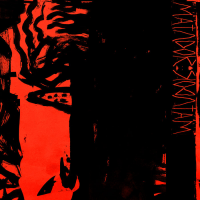
Daniel Fortin: Brinks
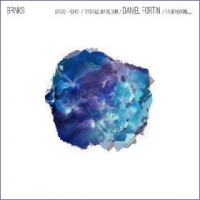
Melodic and harmonic duties are shared by vibraphonist Michael Davidson and tenor saxophonist David French. Davidson is an extraordinarily gifted musician. Like Tyler Blanton, Matt Moran and Jason Adasiewicz, he's developed a distinctive voice on the vibraphone; one that's quite unlike Gary Burton's or Bobby Hutcherson's. He gets a big sound out of the vibes, using the vibrato sparingly, but to great effect. French, who gigs regularly with both Ragnelli and Davidson, is an interesting player. He has a light, breathy tone that suits this music's cerebral nature. While not an ecstatic, expressive sort of player, his solos are full of abstract, unpredictable lines and interesting phrases, rather like Joe Henderson.
Fortin's original compositions, are generally pretty interesting, even unpredictable. "Verona" seems to gather a set of phrases and repeat them in different ways to generate subtly shifting harmonies. Thus, the solos develop in different ways. On "Mince," Fortin's electric bass weaves in and out of the melody, played by French, as Davidson ad libs and Ragnelli's subtly funky drums provide forward motion. The set's two ballads, "Flecks" and "Progress Bar" are quite gripping. The former has an unexpected, up-tempo coda at the end, while the latter settles into a funky, down-tempo line that slowly gathers steam under French's solo. Anchored by a slippery, mutable ostinato, the trance-like "So As To" almost gets into M-BASE territory, though the quartet's airy sound is quite different from anything Steve Coleman has done in a while.
 FOLLOW Dave Wayne
and get notified whenever Dave has a new article published.
FOLLOW Dave Wayne
and get notified whenever Dave has a new article published.
Dave loves jazz like he loves a good 6-mile run.
Track Listing
Verona; Ends; I Don't Know; Flecks; So as To; Smithereen; Adldmbdld; Mince; Progress Bar; But Still and Yet.
Personnel



Album information
Title: Brinks | Year Released: 2015 | Record Label: Fresh Sound New Talent
About Dan Fortin
Tags
PREVIOUS / NEXT

Become a Sustaining Member

Since 1995, All About Jazz has championed jazz as an art form and supported the musicians who create it. Over three decades, it has grown into one of the world's leading jazz resources, serving hundreds of thousands of readers, musicians, presenters and industry professionals each month.
Help Build the Future of All About Jazz
Your support helps us continue building All About Jazz for the next generation—expanding our editorial coverage, preserving jazz history, developing new community features and creating better ways to discover the music and the people behind it.
Become a sustaining member for as little as $20 per year and you'll immediately enjoy an ad-free experience along with access to subscriber features and future articles for a full year.
Together, we're not simply sustaining All About Jazz—we're building its future. Thank you for being part of the journey.