Home » Jazz Articles » Radio & Podcasts » Brandee Younger: I'm Done Running From The Harp Police
Brandee Younger: I'm Done Running From The Harp Police
Click the play button to listen
From the very beginning, as a young music student growing up on Long Island, Brandee Younger was toeing the line between her classical, orchestral musical education and the hiphop, soul and pop music that she grew up loving. She spent her early years musically code switching, trying to figure out how to make sense of her sensibilities.
But for those who listened closely to the samples on records by Jay Z, Pete Rock, The Pharcyde, J. Dilla, or Common it was clear that the sound of the harp had become part of the language of modern music.
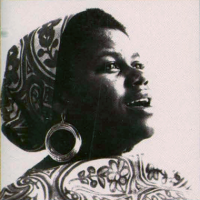
Many of the harp samples heard on those in early hip hop records featured two African American women, who, like Brandee, learned to thrive beyond their perceived limitations: Dorothy Ashby and Alice Coltrane. Eventually both Ashby and Coltrane would become two of her biggest influences.
Younger eventually made history as the first Black female solo artist to be nominated for a Grammy -for Best Instrumental Composition in 2021, for "Beautiful is Black" from her album Somewhere Different (Impulse! Records). She has also worked with the likes of Beyoncé, John Legend, Drake & Lauryn Hill, as well as jazz artists including Christian McBride, Kat Edmonson, Marcus Strickland, Kassa Overall, Makaya McCraven, and Ravi Coltrane.
On her recently released album Brand New Life she honors Dorothy Ashby and enlists icons of hip-hop and R&B, including Pete Rock, Mumu Fresh & Meshell Ndegeocello. The album was produced by Makaya McCraven.
We spoke recently about her journey from orchestra girl to emerging icon, the challenges of playing the harp in a contemporary context, and why she's done running from the harp police and the jazz police.
 FOLLOW Leo Sidran
and get notified whenever a new article published.
FOLLOW Leo Sidran
and get notified whenever a new article published.
Multi-instrumentalist, composer, producer and podcast host.
About Brandee Younger

Tags
PREVIOUS / NEXT


Brandee Younger Concerts
Become a Sustaining Member

Since 1995, All About Jazz has championed jazz as an art form and supported the musicians who create it. Over three decades, it has grown into one of the world's leading jazz resources, serving hundreds of thousands of readers, musicians, presenters and industry professionals each month.
Help Build the Future of All About Jazz
Your support helps us continue building All About Jazz for the next generation—expanding our editorial coverage, preserving jazz history, developing new community features and creating better ways to discover the music and the people behind it.
Become a sustaining member for as little as $20 per year and you'll immediately enjoy an ad-free experience along with access to subscriber features and future articles for a full year.
Together, we're not simply sustaining All About Jazz—we're building its future. Thank you for being part of the journey.