Home » Jazz Articles » New York Beat » Torrie Zito: A Retrospective
Torrie Zito: A Retrospective
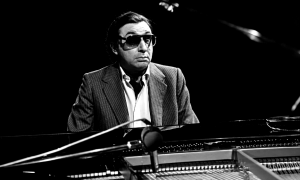
Torrie Zito's music does not follow the classical tradition of neatly ordered opuses which enables critics to easily trace the artistic development of a composer from early string quartets and sonatas to overtures, concerti and symphonies. Rather, Zito's oeuvre zigzags across the world of vocal recordings, television shows and film scores. In order to fully account for his growth, studies must begin with his career as a bebop jazz pianist and follow his orchestral writing through early TV work for Perry Como, jazz arrangements for James Moody, folk-rock sounds for John Lennon and opera scoring for Samuel Ramey. In between these disparate efforts Zito wrote music for pop star luminaries—Bobby Darin, Frank Sinatra, Tony Bennett, Liza Minnelli, Carly Simon and Clay Aiken—and became a legend among arrangers.
Although his writing weaves itself through different genres, styles and mediums, it sustains a personality and depth which will withstand close critical scrutiny and, in the years ahead, take its rightful place alongside that of his classical forbears.
A few years ago I spent an evening with Zito and his wife jazz vocalist Helen Merrill. It was a merry laughathon replete with delicious showbiz anecdotes, insider revelations and intriguing ironies. In between stories, I managed to extract a sketch of Zito's background from the man himself.
He was born in Utica, New York and spent his early life as a largely self-taught pianist who worked small clubs, usually accompanying singers. In his early 20's he moved to Manhattan and took classes at the Manhattan School of Music where he met and studied informally with renowned arranger Marion Evans. This was the extent of his training.
Soon he wrote arrangements for James Moody ("Moody With Strings"—1961), Bobby Darin ("Love Swings"—1961) and then wrote for Perry Como's TV show. His seminal work with Tony Bennett began shortly thereafter.
But Zito's most important training came as he began to study the scores, techniques and approaches taken by classical masters. Between writing assignments he spent all of his available time analyzing manuscripts and implementing classical ideas into his own writing. In one particularly enjoyable story, he described the myriad complexities of Alexander Scriabin and analyzed the Russian's idiosyncratic tonal language with an enthusiasm that I will never forget.
It was amazing to picture this legendary American musician quietly perusing the whole of European classicism and teaching himself its great legacy.
It is this part of his growth as a composer-arranger that deserves the greatest attention from scholars and critics. Their study of this unique American talent should begin forthwith.
 FOLLOW Nick Catalano
and get notified whenever a new article published.
FOLLOW Nick Catalano
and get notified whenever a new article published.
Dr. Nick is a TV writer/producer and professor of Literature and Music at Pace University.
Tags
PREVIOUS / NEXT
Become a Sustaining Member

Since 1995, All About Jazz has championed jazz as an art form and supported the musicians who create it. Over three decades, it has grown into one of the world's leading jazz resources, serving hundreds of thousands of readers, musicians, presenters and industry professionals each month.
Help Build the Future of All About Jazz
Your support helps us continue building All About Jazz for the next generation—expanding our editorial coverage, preserving jazz history, developing new community features and creating better ways to discover the music and the people behind it.
Become a sustaining member for as little as $20 per year and you'll immediately enjoy an ad-free experience along with access to subscriber features and future articles for a full year.
Together, we're not simply sustaining All About Jazz—we're building its future. Thank you for being part of the journey.