Home » Jazz Articles » Charts of Elegance » Melba and Her Horn - Accomplishments of the Great Melba Liston
Melba and Her Horn - Accomplishments of the Great Melba Liston
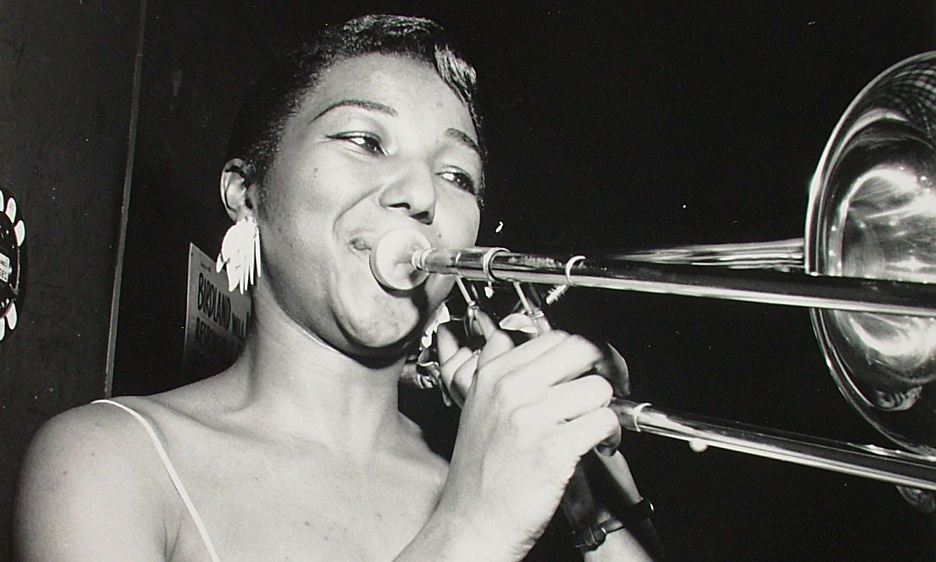
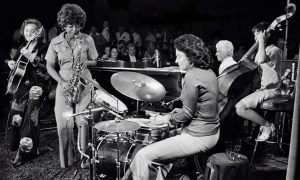
Melba had a remarkable career for multiple reasons, notably that she was one of the first female trombone soloist in a big band jazz ensemble. She also was one of the first female musicians to compose and arrange for big band jazz acts, most of which were very well known mainstream acts.
Her compositions and arrangements were highly complex, and yet reflected a simplicity and casual swing. The arrangements provided wonderful room for soloists to shine with complementary backing by the band. Each piece had a very moving arc, which took you on an emotional journey from beginning to end.
Her career began to take flight in the 1940's, through her collaboration with Gerald Wilson. She stayed with Wilson's big band through the better part of the forties. One highlight of her work during that time is the song "Warm Mood."
After Wilson's ensemble disbanded, Melba was invited to join Dizzy Gillespie and his band on the east coast. Their collaboration would be short lived in the forties due to the original group disbanding, but they would team back up in the fifties where Melba produced some of her best known works in their partnership. Her arrangement can be appreciated in the song "My Reverie" and her skill as a soloist is highlighted nicely in the song "Cool Breeze"
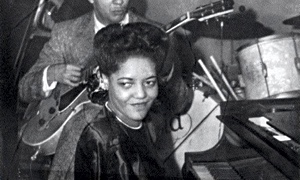
During the break after Gillespie's group disbanded, Melba joined Gerald Wilson in the band on Billie Holiday's tour of the south. Traveling in the segregated US was very hard on African American artists due to the hostile social climate. In addition to the racial struggles, female musicians also experienced gender related challenges, such as discrimination, exclusion, and even sexual violence. Melba's experience with this environment led to her departure from music for a time in the fifties and various other times after that. It was Dizzy Gillespie's influence that finally brought Melba back to music in the late fifties.
In 1958, Melba organized her own band and made a recording which was her only effort as a band leader. The album, 'Melba and her Bones' stands as one of her most celebrated musical contributions. A particularly enjoyable track off that album is 'Blues Melba.' Following that album, she briefly toured with the Quincy Jones Orchestra but the tour was short-lived due to financial difficulties despite being well received.
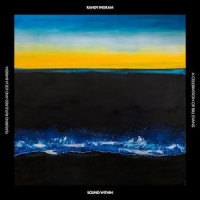
In the 1960's, Melba began one of her most fruitful and enduring collaborations. She met Randy Weston when they were colleagues writing and arranging music. They continued to partner in musical endeavors throughout the rest of her life. Melba's work shines through infusing African rhythms into traditional jazz compositions in the album 'Uhuru Afrika.' Together they recorded ten albums, several of which were lauded by critics.
Beginning in the 1970's Melba took another break from performing, this time to teach music in Jamaica. After she returned to the US, she focused on composing and arranging music, while her efforts as an instrumentalist waned. This trend continued through the rest of her life, particularly as she struggled with health issues in her last two decades.
Melba Liston was a uniquely talented musician as a performing instrumentalist, a composer, and an arranger. It was her composition and arrangement in particular that earned her respect in the male-dominated musical environment. This article has skimmed the surface of a very rich and diverse musical career. She was sought after by the most highly regarded artists of her time, and created several unrivaled masterpieces.
 FOLLOW Ava Louise
and get notified whenever a new article published.
FOLLOW Ava Louise
and get notified whenever a new article published.
Vocalist, Writer, Musician
About Melba Liston

Tags
PREVIOUS / NEXT


Become a Sustaining Member

Since 1995, All About Jazz has championed jazz as an art form and supported the musicians who create it. Over three decades, it has grown into one of the world's leading jazz resources, serving hundreds of thousands of readers, musicians, presenters and industry professionals each month.
Help Build the Future of All About Jazz
Your support helps us continue building All About Jazz for the next generation—expanding our editorial coverage, preserving jazz history, developing new community features and creating better ways to discover the music and the people behind it.
Become a sustaining member for as little as $20 per year and you'll immediately enjoy an ad-free experience along with access to subscriber features and future articles for a full year.
Together, we're not simply sustaining All About Jazz—we're building its future. Thank you for being part of the journey.