Home » Jazz Articles » Mr. P.C.'s Guide to Jazz Etiquette and Bandstand Decorum » Disgruntled Masters
Disgruntled Masters

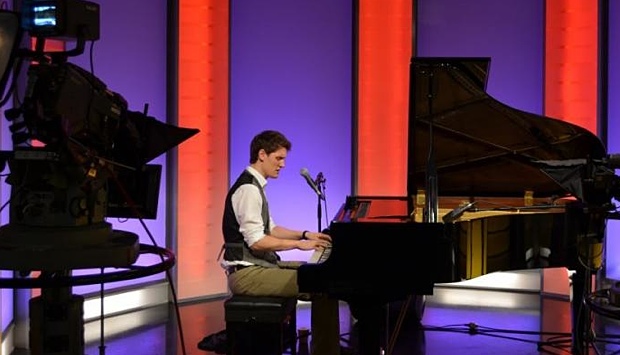
Is it okay to grunt or hum while playing the piano? I'm looking for a career in jazz but don't have any musical talent, but I'm pretty sure I could figure out a way to remaster the great tunes from the likes of Oscar and Erroll to exclude the annoying 'hum' from their recordings.
—Peter from Poughkeepsie
Dear Peter:
What few people realize about grunters like Oscar and Erroll is that they always made those sounds, whether at or away from the piano. As a result they weren't allowed in libraries, churches or movie theaters. They were often kicked out of high-end restaurants, where half-eaten food would produce sputtering rhythms, and wine would be swallowed with a medicinal gargle. When they slept, snoring coupled with their grunts to produce nightmarish dissonance, banishing them to the living room couch.
But their most embarrassing moments of all came in public restrooms, where defecators in adjacent stalls would grimace in sympathy. While their managers made sure their riders demanded roughage in the green room, they never developed the taste, being more "meat and potatoes" style players.
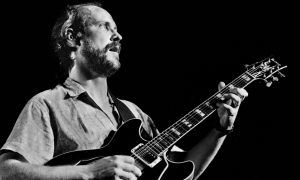
Keith Jarrett also makes his noises whether seated at the piano or wandering free outside the concert hall. But he draws from a broader palette of body sounds, in keeping with his more modern and stylistically diverse sensibility. Like Oscar and Erroll, he's banned from libraries and churches, but unlike them he's welcome in certain movie theaters—specifically pornographic ones.
Have a question for Mr. P.C.? Ask him.
 FOLLOW Mr. P.C.
and get notified whenever a new article published.
FOLLOW Mr. P.C.
and get notified whenever a new article published.
Inspired by the cutting edge advice of Abigail Van Buren, the storied bass playing of Paul Chambers, and the need for a Politically Correct doctrine for navigating the minefields of jazz etiquette, I humbly offer my services.
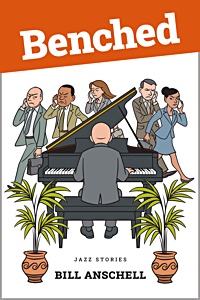
Get 'Benched!'
Benched, Bill Anschell's debut book of short stories / jazz humor. The stories are interspersed with the very best of Mr. P.C., hand-picked from the 400+ questions answered over the column's 16-year history. Benched is available on Amazon (paperback and Kindle) and most online booksellers.
Tags
PREVIOUS / NEXT


Become a Sustaining Member

Since 1995, All About Jazz has championed jazz as an art form and supported the musicians who create it. Over three decades, it has grown into one of the world's leading jazz resources, serving hundreds of thousands of readers, musicians, presenters and industry professionals each month.
Help Build the Future of All About Jazz
Your support helps us continue building All About Jazz for the next generation—expanding our editorial coverage, preserving jazz history, developing new community features and creating better ways to discover the music and the people behind it.
Become a sustaining member for as little as $20 per year and you'll immediately enjoy an ad-free experience along with access to subscriber features and future articles for a full year.
Together, we're not simply sustaining All About Jazz—we're building its future. Thank you for being part of the journey.