Home » Search Center » Results: 1940s
Results for "1940s"
About Cobby Brzeski
Results for pages tagged "1940s"...
Cobby Brzeski

Active since:
ABOUT
Cobby Brzeski is a San Diego-based jazz vocalist, flutist, and songwriter originally from Naples, Florida. Her project, The Vintage Girl in a Modern World (VGMW) Swing Band, blends the elegance of the 1930s and 1940s with fresh, contemporary energy. A magna cum laude graduate of Berklee College of Music, Cobby and the VGMW Band perform timeless swing standards, original compositions inspired by the Golden Age of Jazz, and modern songs reimagined in vintage style. Whether experiencing a more intimate ensemble or the ful band, VGMW creates an immersive, high-energy experience that delights jazz lovers, swing dancers, and new audiences alike.
The 1940s: WWII, Singers Take Center Stage
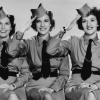
by Joan Merrill
The 1940s might have been the 20th century's most pivotal decade for America and the world. Millions died as war gripped the globe once again, and the Atomic Age and Cold War sprang up in the latter half of the decade as peace was finally achieved. Through it all, music and entertainment reflected the times.
About Tony Martin (2)
Results for pages tagged "1940s"...
Tony Martin (2)
Born:
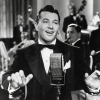
Tony Martin was a popular American crooner and actor during the big band era. Born Alvin Morris in San Fransisco, California, on Christmas Day in 1913, Martin began his career playing saxophone alongside Woody Herman in Tom Gerun's orchestra. He was convinced by dance band leader Ben Bernie to switch to singing in the early 1930s, but did not gain much mainstream recognition until 1936, when he appeared in the Fred Astaire-Ginger Rodgers musical "Follow the Fleet". By 1938, Martin was an established and popular crooner as well as actor, and had given up playing saxophone. Throughout the 1940s Martin scored multiple hit songs, such as "To Each His Own" and the Oscar-nominated "It's a Blue World" from Music in My Heart
About Charlie Spivak
Results for pages tagged "1940s"...
Charlie Spivak
Born:
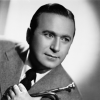
Charlie Spivak was a popular American bandleader and trumpeter, most prominent during the swing era (roughly 1933 - 1947). Born on February 17, 1907, Spivak's early career was spent performing with some of the period's top bands, including the orchestras of Tommy and Jimmy Dorsey and Glenn Miller as well as Bob Crosby's small Dixieland combo the Bob Cats. As a bandleader himself, Spivak became known as "The Man Who Plays the Sweetest Trumpet in the World" and drew favourable comparisons to Harry James, America's number one trumpet idol of the 1940s. Though he never achieved the same level of fame or critical aclaim as some of his contemporaries, such as Miller, James, the Dorseys or Benny Goodman, his records were consistently popular, especially during World War II
About Russ Morgan
Results for pages tagged "1940s"...
Russ Morgan
Born:
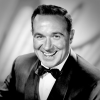
Russell Morgan (born in Scranton, Pennsylvania on April 29, 1904) was an American swing-era big band leader, arranger, composer and trombonist best known for his radio show Music in the Morgan Manner and his composition "You're Nobody till Somebody Loves You", which he co-wrote with Larry Stock and James Cavanaugh in 1944. Morgan's musical career began in the 1920s, when his skills as an arranger brought him work with some of the era's top bands, including those of Fletcher Henderson and Paul Whiteman, then known as the "King of Jazz". He went on to lead a succesful "sweet" band himself and become a popular figure on radio in the 1930s and 1940s
About Big Band Alumni
Results for pages tagged "1940s"...
Big Band Alumni

Active since:
The Big Band Alumni is a 17-piece big band that features some musicians that are graduates of the greatest big bands of all time like Benny Goodman, Harry James, Stan Kenton, Woody Herman, Count Basie, Jimmy & Tommy Dorsey, and many others from the Big Band Era.
The Big Band Alumni is in its 25th year of existence. The band was created by musicians who were members of the big bands (largely) of the 1940’s who were responsible for the swing era. Over the 21 years there have been replacements. Like many big bands of the 40’s we also have vocalists who have always been younger than the original band members.
About Desi Arnaz
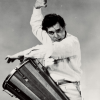
Results for pages tagged "1940s"...
About Billy Cotton
Results for pages tagged "1940s"...
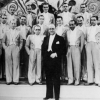
Billy Cotton
Born:
Billy Cotton (born William Edward Cotton on May 6, 1899) was an English bandleader and entertainer, best known for his popular BBC radio and television show the Billy Cotton Band Show, which ran from 1949 to 1968. Beginning his career as a drummer, Cotton formed his first orchestra in 1924. With his trademark catchphrase "Wakey! Wakey!" and a lively mix of jazz music and comedy, Cotton became a household name in British entertainment.
About Carroll Gibbons
Results for pages tagged "1940s"...
Carroll Gibbons

Born:
Carroll Gibbons was a distinguished American-born pianist, bandleader and composer who became a defining figure in British Dance Band music during the 1930s and '40s. Best known for his elegant work with the Savoy Hotel Orpheans, Gibbons brought a refined jazz sensibility to popular music, blending American influences with a uniquely British charm. His smooth arrangements, stylish piano playing, and keen ear for melody earned him acclaim both in the UK and abroad. Gibbons also composed several enduring tunes, including “A Garden in the Rain”, leaving a lasting legacy in the world of light jazz and popular standards.
About Tommy Tucker
Results for pages tagged "1940s"...
Tommy Tucker

Born:
Tommy Tucker was a popular swing-era bandleader, pianist, accordionist and trombonist who led one of the most refined "sweet" bands of the 1930s and '40s. Born Gerald L. Duppler on May 18, 1903, in Souris, North Dakota, Tucker adopted his stage name during his rise in the Midwest dance band circuit. His orchestra gained national attention through novelty recordings for labels such as Columbia and Vocalion, and also by maintaining a polished, danceable style that contrasted with the hotter swing bands of the time. Though not a jazz innovator in the same way as Duke Ellington or Earl "Fatha" Hines, Tucker’s ensemble featured skilled sidemen and occasional jazz soloists, and his music remains a perfect example of the elegant ballroom tradition

Trending
 In Tribute To...
Points of View: Celebrating Dave Holland
 In Tribute To...
John Coltrane At 100: A Global Perspective
 Jazz Raconteurs
Julius Hemphill: Marty Ehrlich and Tim Berne Remember a...
 Interview
Boney James: A Simple Man And A Lifetime Study
 Musician 2 Musician
Steve Coleman on Dave Holland
 Interview
Miles Okazaki's Monkathon: The Complete Thelonious...
 Reanimating Conversations Past
John Scofield: Meant To Be
Featured Video
VOTE!