Home » Jazz Articles » Radio & Podcasts » Remembering Phil Upchurch
Remembering Phil Upchurch
Click the play button to listen
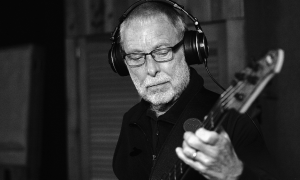
What made Phil so remarkable wasn't just the résumé—impressive as it was. It was his dual identity: a Chicago blues player with the mind of a bebopper. He loved inserting complex harmony into simple forms. He played both guitar and bass with equal authority. He could sit in a studio band and instantly know the right part to play, or step forward and be unmistakably himself.
Producers loved to have him in the studio -Quincy Jones, Tommy LiPuma and Arif Mardin all worked with him repeatedly. He belonged to a generation that didn't just contribute to the sound of popular music—they invented it. And like so many of the greatest studio players, he was easy to overlook unless you knew exactly where to listen. But if you did listen, you could always hear him. Phil had that rare gift: the ability to be unmistakably himself while serving the larger story.
My relationship with Phil is intertwined with my relationship with my father, Ben Sidran. They were friends for over fifty years—recording, touring, sharing life.
Some of my earliest memories of being in a studio involve the two of them together, laughing, experimenting, finding the music in the room. Some of my first gigs as a drummer were with Phil (one of them was even documented for Ben's Live At The Celebrity Lounge album in 1997). He treated me with generosity and seriousness, not because I was "Ben's kid," but because he could see I was serious about the music and he let me know that there was a place for me, the next set of hands that might carry something forward.
It's easy to romanticize mentorship, but the truth is it's how the music survives. It's how names and sounds persist across time. "We all have a time," my dad says in the conversation. "Phil lived a full life. And he represented a truth rather than a fiction."
After Phil's passing, I did what I've done before when a friend left the stage: I called my dad. We talked. We remembered. We tried to fill in the hole left in the fabric. And in doing so, we performed the small sacred act that keeps a musical life alive—we said his name.
 FOLLOW Leo Sidran
and get notified whenever a new article published.
FOLLOW Leo Sidran
and get notified whenever a new article published.
Multi-instrumentalist, composer, producer and podcast host.
About Phil Upchurch

Tags
PREVIOUS / NEXT


Become a Sustaining Member

Since 1995, All About Jazz has championed jazz as an art form and supported the musicians who create it. Over three decades, it has grown into one of the world's leading jazz resources, serving hundreds of thousands of readers, musicians, presenters and industry professionals each month.
Help Build the Future of All About Jazz
Your support helps us continue building All About Jazz for the next generation—expanding our editorial coverage, preserving jazz history, developing new community features and creating better ways to discover the music and the people behind it.
Become a sustaining member for as little as $20 per year and you'll immediately enjoy an ad-free experience along with access to subscriber features and future articles for a full year.
Together, we're not simply sustaining All About Jazz—we're building its future. Thank you for being part of the journey.