Home » Articoli » Album Review » Momo Kodama: Point and Line
Momo Kodama: Point and Line
La cosa che più colpisce, in una specularità (o complementarietà, se preferite) di umori e anche tecniche di scrittura che non mancherà di sorprendere più d'uno, è quanto, appunto, assolutamente intrecciabili fra loro siano le pagine dell'uno e dell'altro, a dispetto dei quasi cento anni che le separano.
"Ciò che trovo notevole in entrambi—ha dichiarato la pianista -è una capacità di espressione poetica che varia ampiamente tra il lirismo e il dramma, tra la meditazione e lo sfoggio virtuosistico." Debussy, dei due, è ovviamente il più noto, se ci permettete il termine il più "masticato," e non si può quindi non rilevare come ripetuti momenti del CD (in particolare il trittico che occupa le tracce da 7 a 9, studi X, II e VI, ma certo non solo quelli) cozzino largamente contro l'immagine di autore votato a senso unico o quasi al chiaroscuro e alle mezze tinte (si è soliti rapportarlo all'impressionismo pittorico) che gli è stata cucita addosso da chi evidentemente ama particolarmente i luoghi comuni.
Hosokawa, nella cui scrittura saltano all'occhio studi e vissuto in terra europea (il che vale per la stessa Kodama, d'altro canto), a volte si adagia per parte sua su una staticità scolpita, scura e fascinosa (per esempio negli studi I e VI), facendosi altrove più nervoso (studio II), addirittura impetuoso (V), e comunque non di rado attraversato da un moto ondivago di crescendo e decrescendo (emblematico in tal senso l'ampio studio IV).
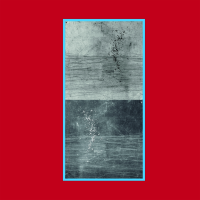
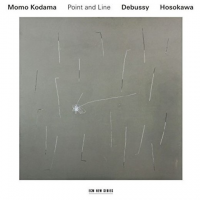
Nel complesso un'opera di estremo rigore, nella varietà. Elegante e suggestiva la copertina dell'uruguayano Fidel Sclavo.
 FOLLOW Alberto Bazzurro
and get notified whenever Alberto has a new article published.
FOLLOW Alberto Bazzurro
and get notified whenever Alberto has a new article published.
Ecumenico ma (abbastanza) esclusivo, non sopporta la musica – e l’arte in generale – di routine, rassicurante e dozzinale, preferendo, se proprio deve, il brutto all’inutile. Un ideale spaccato dei suoi amori musicali (che non si limitano al jazz; e più o
Track Listing
Pour Les Arpèges Composés Etude XI (Claude Debussy); Point And Line Etude II (Toshio Hosokawa); Pour Les Quartes Etude III (Claude Debussy); Calligraphy, Haiku, 1 Line Etude III (Toshio Hosokawa); Pour Les Sixtes Etude IV (Claude Debussy); 2 Lines Etude I (Toshio Hosokawa); Pour Les Sonorités Opposées Etude X (Claude Debussy); Pour Les Tierces Etude II (Claude Debussy); Pour Les Huit Doigts Etude VI (Claude Debussy); Lied, Melody Etude VI (Toshio Hosokawa); Pour Les "Cinq Doigts" – D'après Monsieur Czerny Etude I (Claude Debussy); Pour Les Accords Etude XII (Claude Debussy); Pour Les Agréments Etude VIII (Claude Debussy); Ayatori, Magic By 2 Hands, 3 Lines Etude IV (Toshio Hosokawa); Pour Les Degrés Chromatiques Etude VII (Claude Debussy); Anger Etude V (Toshio Hosokawa); Pour Les Notes Répétées Etude IX (Claude Debussy); Pour Les Octaves Etude V (Claude Debussy).
Personnel
Momo Kodama: piano.
Album information
Title: Point and Line | Year Released: 2017 | Record Label: ECM Records
About Momo Kodama
Tags
PREVIOUS / NEXT


Become a Sustaining Member

Since 1995, All About Jazz has championed jazz as an art form and supported the musicians who create it. Over three decades, it has grown into one of the world's leading jazz resources, serving hundreds of thousands of readers, musicians, presenters and industry professionals each month.
Help Build the Future of All About Jazz
Your support helps us continue building All About Jazz for the next generation—expanding our editorial coverage, preserving jazz history, developing new community features and creating better ways to discover the music and the people behind it.
Become a sustaining member for as little as $20 per year and you'll immediately enjoy an ad-free experience along with access to subscriber features and future articles for a full year.
Together, we're not simply sustaining All About Jazz—we're building its future. Thank you for being part of the journey.