Home » Jazz Articles » Album Review » Antoine Fafard: Occultus Tramitis
Antoine Fafard: Occultus Tramitis
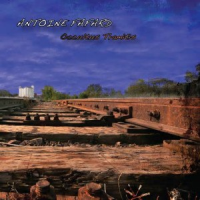
The pristine audio sound is an added ingredient that underscores a very detailed and capacious soundscape. Otherwise, the album presents a varied track mix, whether its guitar hero Scott Henderson's roaring riffs on "The Chamber," featuring Weckl's super-speed polyrhythmic drum solo or "Holding Back Time," comprised of difficult time signatures, blazing unison runs and Goodman's soaring notes. Here, the musicians yield foreboding implications and an invigorating dynamic.
Fafard overlays classical and electric guitar on several tracks, while showing complete command of the electric bass via glimmering runs, corpulent bottoms or when harmonizing with Goodman or the lead guitarists. He kindles remembrances of Jaco Pastorius on the trio piece "Funkevil," where he pumps and thumps through intricate maneuvers, supporting Goodman's torrid wah-wah induced solo and Martin Maheux's zesty drumming.
Fafard takes a giant leap on to the jazz fusion vista, bearing numerous rewarding factors on this high quality effort.
 FOLLOW Glenn Astarita
and get notified whenever a new article published.
FOLLOW Glenn Astarita
and get notified whenever a new article published.
Glenn is a senior writer and editor at All About Jazz.
Track Listing
Peace for 4; The Chamber; Good Reasons; Sum of Six; Holding Back Time; Fur & Axe; Funkevil; Tree O; Slydian; Metamorphosis; Prelude to No. 2 in C Minor.
Personnel

Antoine Fafard
bassAntoine Fafard: bass, classical guitar and electric guitar; Scott Henderson: guitar (2); Jerry Goodman: violin (1, 3, 5-7, 10); Jean-Pierre Zanella: saxophone (3); Jerry De Villiers Jr.: saxophone and flute (4, 5); Sylvain Bolduc: bass (8); Denis Labrosse: bass (8); George Hayes: electric guitar (9); Gavin Harrison: drums (1); Dave Weckl: drums (2); Simon Phillips: drums (3); Chad Wackerman: drums (4, 6); Terry Bozzio: drums (5); Martin Maheux: drums (7); Emmanuelle Caplette: drums (8); Magella Cornier: drums (9, 10).
Album information
Title: Occultus Tramitis | Year Released: 2013 | Record Label: Unicorn Records
About Antoine Fafard
Tags
PREVIOUS / NEXT


Become a Sustaining Member

Since 1995, All About Jazz has championed jazz as an art form and supported the musicians who create it. Over three decades, it has grown into one of the world's leading jazz resources, serving hundreds of thousands of readers, musicians, presenters and industry professionals each month.
Help Build the Future of All About Jazz
Your support helps us continue building All About Jazz for the next generation—expanding our editorial coverage, preserving jazz history, developing new community features and creating better ways to discover the music and the people behind it.
Become a sustaining member for as little as $20 per year and you'll immediately enjoy an ad-free experience along with access to subscriber features and future articles for a full year.
Together, we're not simply sustaining All About Jazz—we're building its future. Thank you for being part of the journey.