Home » Jazz Articles » Album Review » Der Verboten: Der Verboten
Der Verboten: Der Verboten
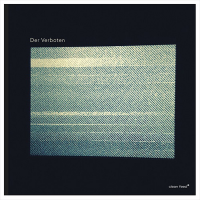
Loriot's scraping and sliding manipulations help launch the proceedings, followed by Chessex' flirtatious phraseology and a series of clustering developments amid hearty doses of acoustic sound-shaping expeditions. Moreover, the program benefits from the immaculate audio characteristics, where all the inner-workings are effectively transmitted in parallel with the acute timbral contrasts and asymmetrical cadences. Hence, the band's broad-minded approach and effective use of space yield numerous rewarding factors on all fronts.
The musicians embark on a continual discovery process, coupled with splintering sound designs, minimalism and faintly executed background treatments. From a holistic view, they reflect inward and produce a sense of time standing still during certain passages. About midway, Piromalli steps on the piano pedals to generate a harrowing vista, along with Chessex' fluttering lines and the band's sudden deep dive into an ominous plot that could mimic the aftereffects of a nuclear catastrophe —and here is where the musical events get very interesting. Moving forward, the cellist adds to the tension-building progressions as the band gradually elevates the pitch in concert with the pianist's hammering chord clusters. But the saxophonist ups the ante with frenetic upper-register voicings, signalling an emergency of some sort, as quietude and a renewal process paint an aural canvas that is akin to a rather chilling scenario. Airy, tension building and gushing with lucid imagery, this an ensemble that prompts the mind's eye to run rampant.
 FOLLOW Glenn Astarita
and get notified whenever a new article published.
FOLLOW Glenn Astarita
and get notified whenever a new article published.
Glenn is a senior writer and editor at All About Jazz.
Track Listing
Der Dritte Treffpunkt.
Personnel
Frantz Loriot
violaFrantz Loriot: viola; Antoine Chessex: tenor saxophone; Cedric Piromalli: prepared piano; Christian Wolfarth: percussions, cymbals.
Album information
Title: Der Verboten | Year Released: 2017 | Record Label: Clean Feed Records
About Frantz Loriot
Tags
PREVIOUS / NEXT

Become a Sustaining Member

Since 1995, All About Jazz has championed jazz as an art form and supported the musicians who create it. Over three decades, it has grown into one of the world's leading jazz resources, serving hundreds of thousands of readers, musicians, presenters and industry professionals each month.
Help Build the Future of All About Jazz
Your support helps us continue building All About Jazz for the next generation—expanding our editorial coverage, preserving jazz history, developing new community features and creating better ways to discover the music and the people behind it.
Become a sustaining member for as little as $20 per year and you'll immediately enjoy an ad-free experience along with access to subscriber features and future articles for a full year.
Together, we're not simply sustaining All About Jazz—we're building its future. Thank you for being part of the journey.