Home » Jazz Articles » Multiple Reviews » Celia Cruz: La Reina y Su Corte
Celia Cruz: La Reina y Su Corte

 Son Con Guanguancó
 Craft Recordings
2025
It is possible that a reader in the United States is unfamiliar with Celia Cruz, even though she has appeared on both a United States stamp (2011) and a coin (2024), not to mention having been celebrated by Whoppi Goldberg, presumably as an avatar of Black womanhood? By birth, Cruz was Cuban, but she fell out with the Castro regime (she called Fidel Castro "ese señor," not exactly terms of endearment) after the Revolution and never returned even though her grave in Woodlawn Cemetery in the Bronx contained soil from Cuba, ironically from a 1990 visit to the U.S. naval base in Guantánamo. Popularly known as the "Queen of Salsa," the start of Cruz's career was in Cuba. Her influence throughout Latin America grew as she became better known. Listening to other singers, for example the Mexican Amparo Ochoa, does leave one to wonder whether Celia Cruz or Edith Piaf was not the more influential artistic figure in the region? While Cruz is rightly celebrated for her synthesis of Afro-Cuban culture, listening to her seventy years after her beginnings near Havana provides an even broader perspective
Son Con Guaguancó dates from 1966. It was Cruz's debut recording in the United States at the tender age of forty! It is both a period piece and a revelation. "El Cohete" ("The Rocket")recalls the excitement of the United States' involvement in the Space Race of the era. But even more interesting to a student of jazz is "No Hay Manteca." Here the intrigue deepens. "Manteca," of course, is generally known to boppers as a classic Dizzy Gillespie composition (1947), but Gillespie made no bones about the seminal role percussionist Chano Pozo played in the song's composition. Pozo, in Dizzy's words, "stone African" really brought the melody and rhythm to Gillespie, who then had Gil Fuller orchestrate it. But Cruz's "No Hay Manteca" ("No Lard") opens with the identical riff (Gillespie's iconic "I'll Never Go Back to Georgia") and segues into an identical saxophone chorus. Anyone familiar with Cuba since the 1959 Revolution knows very well about food shortages, down to the Coca Cola for a Cuba Libre. So, naturally, a listener wonders, which came first, "Manteca" or "No Hay Manteca?" Was Pozo teaching Gillespie a popular song that Cruz had learned on the sidewalks of Cuba, or did Cruz pick up the arrangement from Fuller and Gillespie, or what? It will take a Cuban musicologist to sort this, but Cruz does drive home what Cuba (and its strong Afro-Cuban component) meant to Latin jazz.
Whatever the case, the entire recording is full of references that ordinary Cubans or Cuban exiles would understand, especially when the island was in turmoil in the first years of the Revolution. There are complaints about machismo ("Tremendo Guanguancó"), everyday betrayals ("Es La Humanidad") and the general aggravation of modern life everywhere ("Se Me Perdió La Cartera") ("I Lost My Billfold").
But one thing is for sure. There is the band. And plenty of it. Percussion. Trumpets. Reeds. All top-notch players, arrangers (Bobby Valentin, Charlie Palmieri, Louie Ramírez, Tito Puente), composers. So much, one might think, that the music almost, but not quite, gives Cruz a run for the listener's attention.
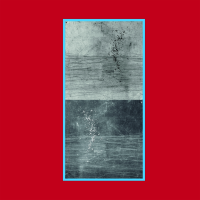
 Celia & Johnny
 Craft Recordings
2024
Her recording here with Johnny Pacheco is from a different phase of her career. Interestingly, Pacheco, a Dominican percussionist, thought that, if anything, the arrangements and instrumental background to Cruz's previous work were excessive. He said, more or less, let people hear her sing. She does not need all of that. So Celia and Johnny is a marvelous recording on a different label, but of a different kind, made to somewhat different ends, and with contrasting results. It is almost a decade on from Son Con Guaguancó, and changes were to be expected. But mostly, there is less instrumental background, trademark squealing Latin trumpets aside. Cruz's style has also evolved. Her nearly iconic interjection, ¡Azúcar!, is now on display. Her penchant for emphatic repeated phrases, somewhere between a riff and a vocal motif is also well developed.
On "Quimbara," Cruz repeats "quimbara" 30 times, at least. Since this often seems excessive, at least for listening, this music was not simply intended for listening. It was especially for dancing, especially salsa dancing, where repeated moves play a prominent role. A sample of the lyrics: "La rumba me está llamando...Mi vida es tan solo eso...Si quieres gozar, quieres bailar" ("Rumba is calling me...That is my life...If you want to enjoy life, dance.") The recording was an enormous success. It went gold, and so did tunes like "Lo tuyo es mental." The New York label "Fania" had a monster hit on its hands,
For younger Latinos in the United States, salsa—that you danced, not ate—became a staple of the music diet. Be aware that you are listening to history being made with this recording, not someone trying to cash in on another ethnic buy—before the culture police in Washington DC put it on a new Index of Prohibited Recordings in an attempt to make us all forget that no one owns or creates, much less ranks, a culture, ours included. ¡Azúcar!
Tracks and Personnel
Son Con GuanguancóTracks: Bemba Colora; Son Con Guanguancó; Es La Humanidad; Lo Mismo Sí Que No; Oye Mi Consejo; Se Me Perdió La Cartera; Tremendo Guanguancó; Permíteme; No Hay Manteca; El Cohete; La Adivinanza; Amarra La Yegua.
Personnel: Not Credited (Alegre All Stars)
Celia & Johnny
Tracks: Quimbara; Toro Mata; Vieja Luna; El Paso del Mulo; Tengo El Idde; Lo Tuyo Es Mental; Canto a La Habana; No Mercedes; El Tumba y Celia; El Pregón del Pescador.
Personnel: Johnny Pacheco, Percussion and Leader; Pappo Luca, Piano; Johnny Rodríguez; Conga, Ralph Marzán; Héctor Zarzuela, Trumpet; Luis Ortiz, Trumpet; Víctor Venegas, Bass; Charlie Rodríguez, Tres; Ismael Quintana, Maracas; Johnny Pacheco and Justo Betancourt, Vocal backing.
About Celia Cruz

Tags
PREVIOUS / NEXT


Become a Sustaining Member

Since 1995, All About Jazz has championed jazz as an art form and supported the musicians who create it. Over three decades, it has grown into one of the world's leading jazz resources, serving hundreds of thousands of readers, musicians, presenters and industry professionals each month.
Help Build the Future of All About Jazz
Your support helps us continue building All About Jazz for the next generation—expanding our editorial coverage, preserving jazz history, developing new community features and creating better ways to discover the music and the people behind it.
Become a sustaining member for as little as $20 per year and you'll immediately enjoy an ad-free experience along with access to subscriber features and future articles for a full year.
Together, we're not simply sustaining All About Jazz—we're building its future. Thank you for being part of the journey.