Home » Jazz Articles » In Pictures » The Bill Frisell Trio+1 at Roulette in Brooklyn
The Bill Frisell Trio+1 at Roulette in Brooklyn
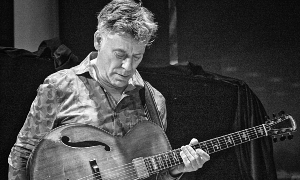
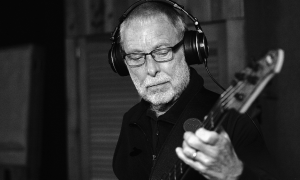
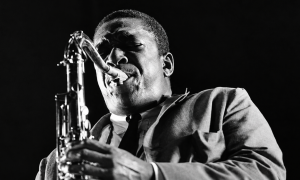
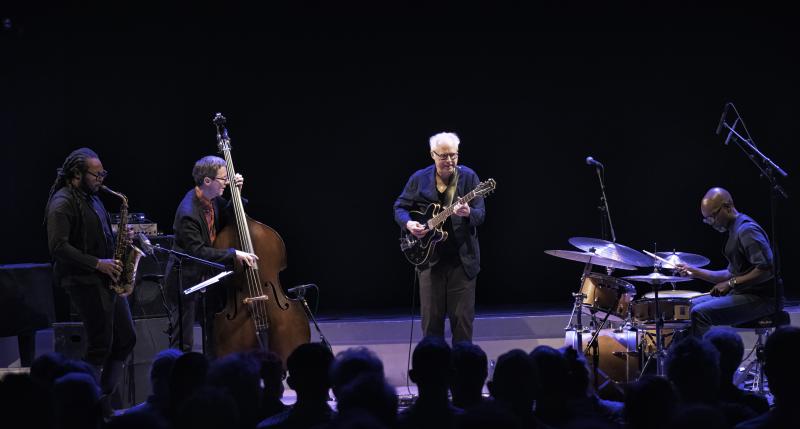
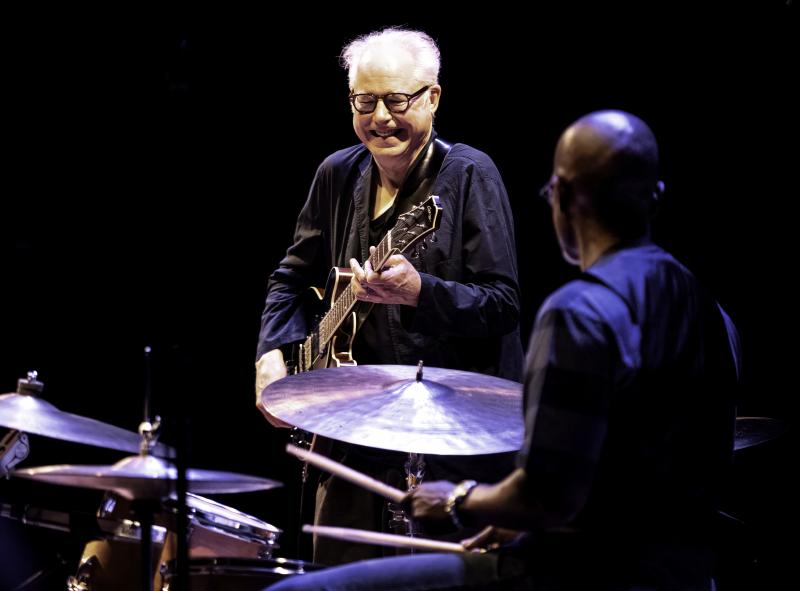
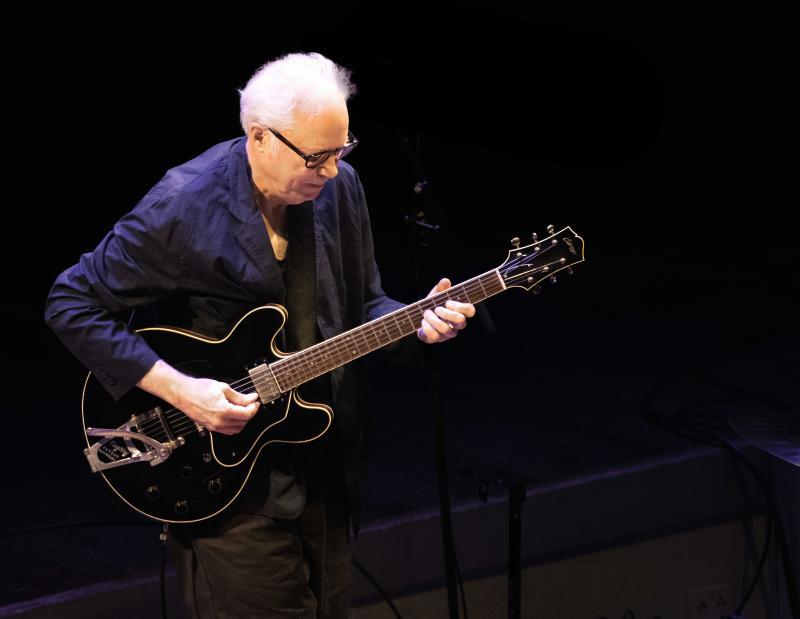
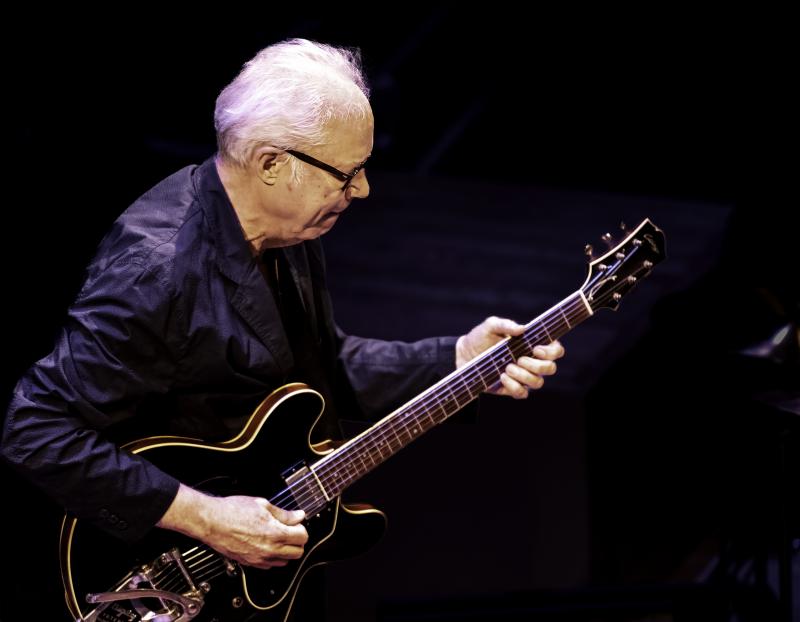
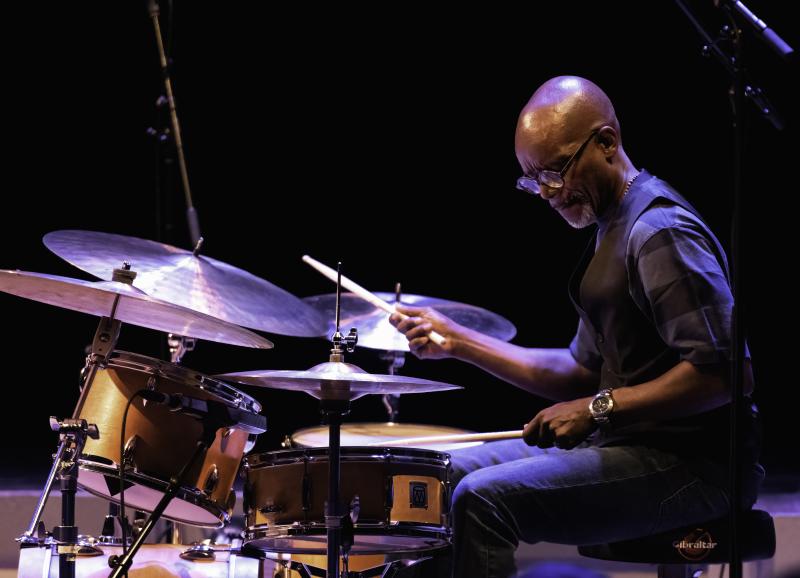
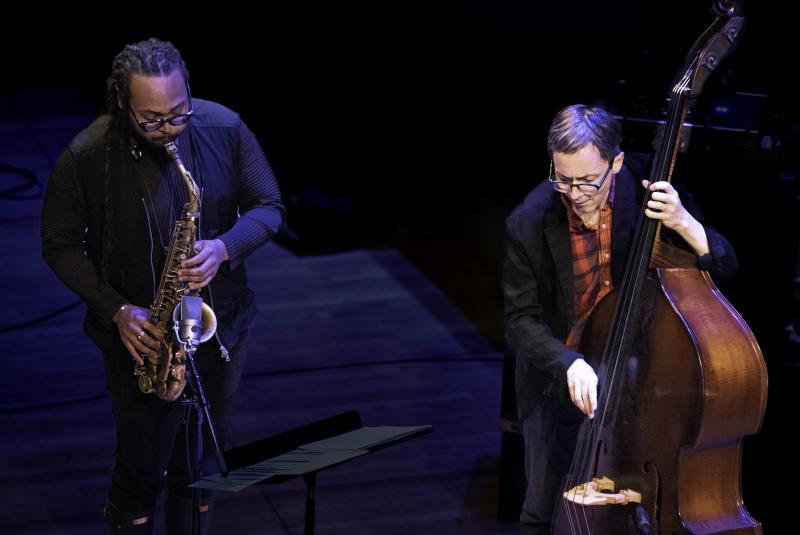
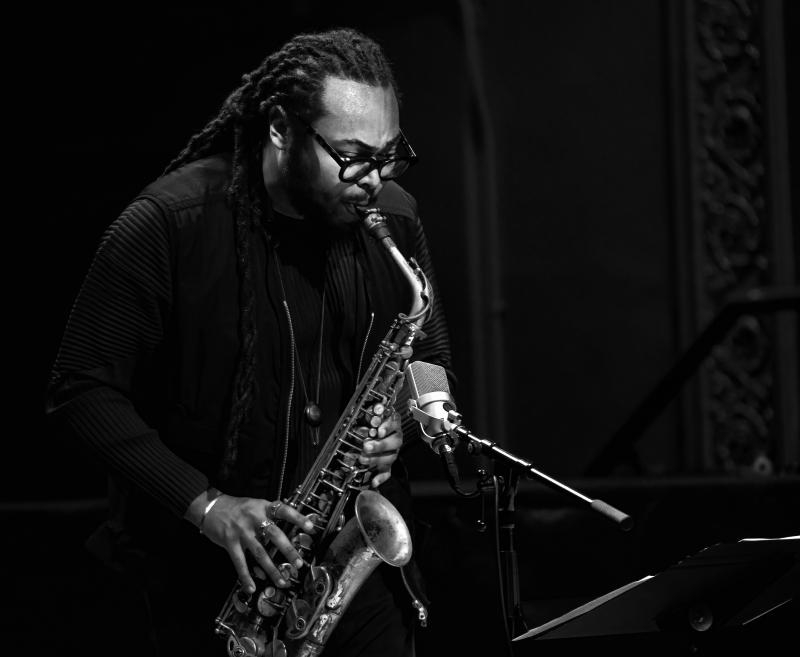
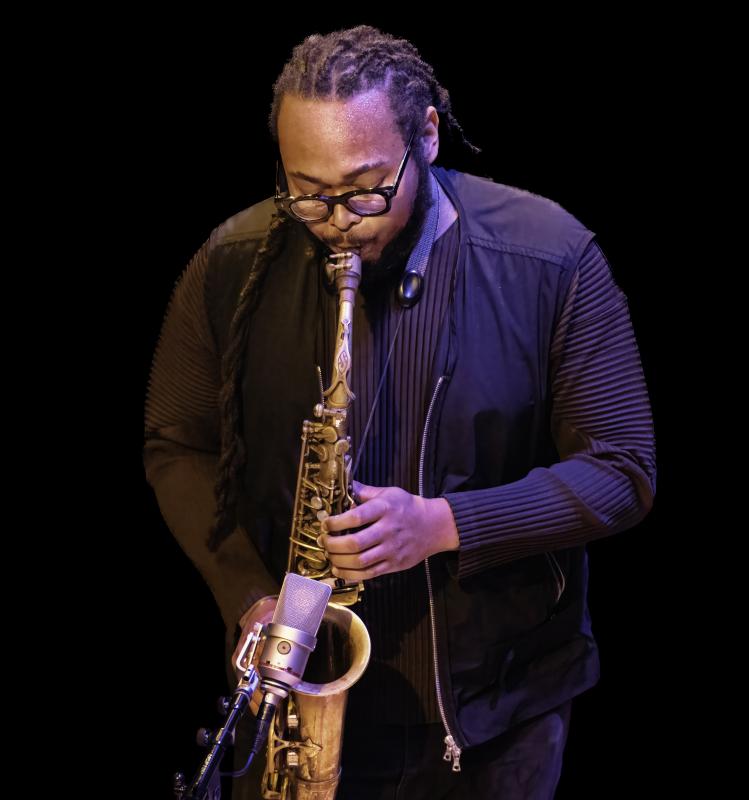
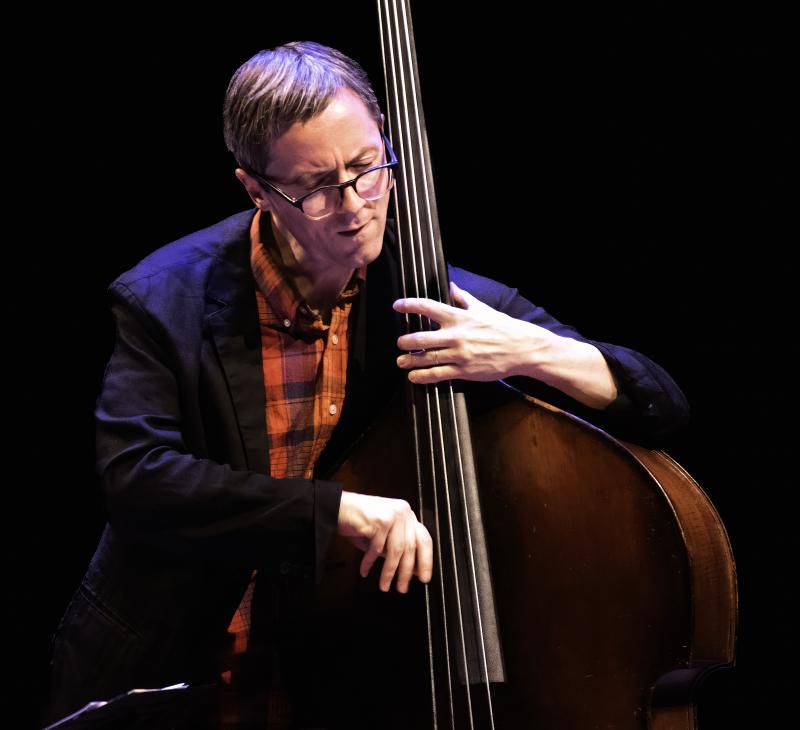
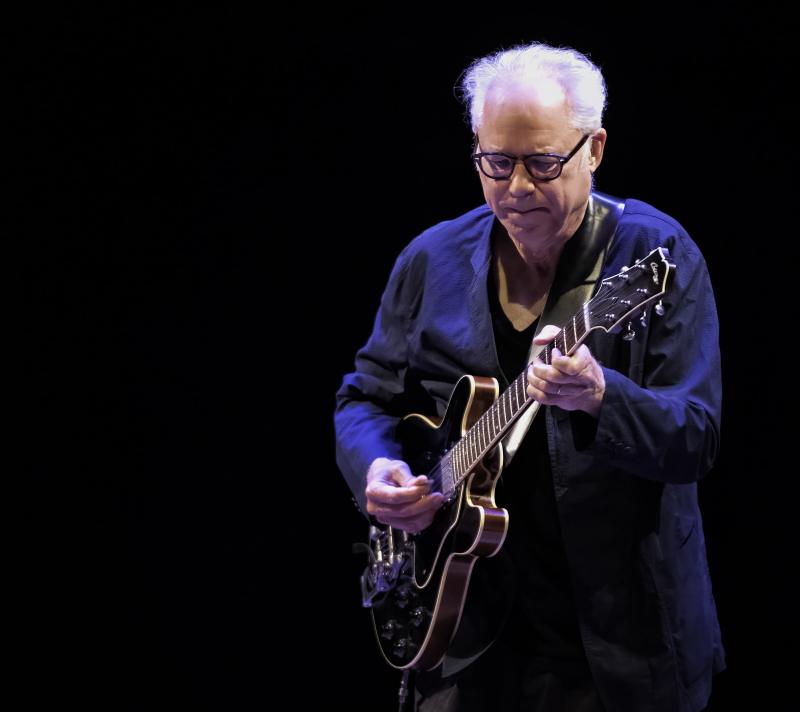
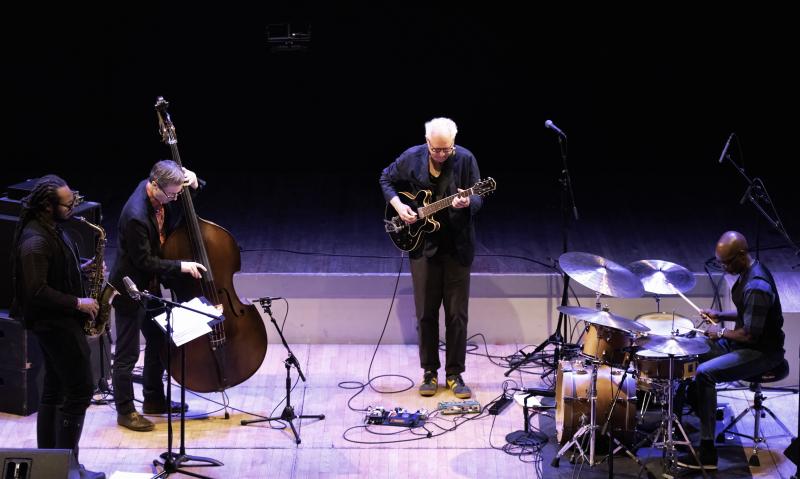
The current trio includes bassist Thomas Morgan and drummer Rudy Royston. Morgan had worked with Frisell as a duet and recorded two exquisite albums of incredible intimacy, Small Town and Epistrophy. Royston has played with Frisell in various ensembles over the last 14 years. The Trio has worked together as a unit for the last five years and has developed remarkable telepathy. Their debut album, Valentine, was released in 2020. To quote my colleague, Ian Patterson, the Trio "revel in the tight but loose interplay that is a hallmark of the best groups, plying a course as deeply lyrical as it is adventurous." This description encapsulates their approach to live performance as well. Immanuel Wilkins is a young, prodigiously gifted saxophonist. He has developed a reputation as a stellar sideman and leader, releasing two critically acclaimed albums on Blue Note Records. Although he was billed as a special guest, he was not featured as a soloist. Rather he was invited to participate in the dialogue and proved to be a seamlessly fit, adding a distinctive new voice but not disrupting the process.
The spare ruminative folk-jazz music played during the set was different in emphasis from earlier versions of the Trio (e.g., Tony Scherr and Joey Baron) when they played these very lengthy and incredibly raucous versions of "Masters of War" and "Heard it Through the Grapevine." But the process remains largely the same. The set is based on an organically evolving musical conversation with minimal planning. The 90-minute set was largely developed around the lengthy performance of two songs: "Baba Drame" and "Strange Meeting," which have been staples in Frisell's live performance for some years. The first of those songs, "Baba Drame," is a lovely Malian blues penned by Boubacar Traore. It was first recorded by Frisell on The Intercontinentals album, (Nonesuch, 2003). The second song, "Strange Meeting," is a Frisell composition and the most durable track from the album With Dave Holland and Elvin Jones (2001). Both songs proved to be perfect vehicles for the spontaneous dialogue between the four musicians. The songs served as a skeletal framework to incorporate other compositions, with the ensemble always returning to the melody. For example, Wilkins introduced a gorgeous rendition of Duke Ellington's "Come Sunday" as a kind of coda to "Strange Meeting." The encore featured a heartfelt straight-ahead version of "We Shall Overcome," which seemed like the perfect tonic for these troubled times.
 FOLLOW Dave Kaufman
and get notified whenever a new article published.
FOLLOW Dave Kaufman
and get notified whenever a new article published.
Dave loves photographing both jazz and wildlife.
View Slideshow



About Bill Frisell

Tags
PREVIOUS / NEXT


Bill Frisell Concerts
Become a Sustaining Member

Since 1995, All About Jazz has championed jazz as an art form and supported the musicians who create it. Over three decades, it has grown into one of the world's leading jazz resources, serving hundreds of thousands of readers, musicians, presenters and industry professionals each month.
Help Build the Future of All About Jazz
Your support helps us continue building All About Jazz for the next generation—expanding our editorial coverage, preserving jazz history, developing new community features and creating better ways to discover the music and the people behind it.
Become a sustaining member for as little as $20 per year and you'll immediately enjoy an ad-free experience along with access to subscriber features and future articles for a full year.
Together, we're not simply sustaining All About Jazz—we're building its future. Thank you for being part of the journey.