Home » Jazz Articles » Album Review » Blake Meister: Septagon
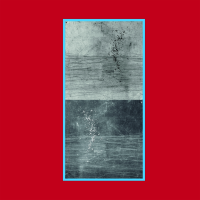
Blake Meister: Septagon

Some of the best spots are where Meister himself solos, which isn't on every tune; but when he does show up it sounds inevitable, fitting. He's right at home, his playing assured. And, with a penchant, it seems, to give everyone a say across all of his eight tunes, sans Peterson (who does pop out here and there), the younger Meister leads with a democratic hand, wisely taking advantage of the talent he has on board.
The energetic "Blackout" skirts the contours of John Coltrane's "Giant Steps," the arrangement cleverly inserting passages where the band basically introduces itself one by one to get things going. It's a sign of what's to come as the material stays within the well- honed parameters of mainstream acoustic jazz, Bollenbeck's electric guitar occasionally adding an edge in spots, as when he appears on the loose-limbed Latin number "Cynic" and on the medium-tempo blues swinger title track, which closes the set. And it's good to hear Copland in a more straight-ahead setting, his playing a good complement to Meister's, and Peterson's often- gregarious drumming curbed to fit the proceedings just so, Thomas' serene flute a nice touch along the way.
Septagon swings, it offers tuneful refrains and quiet interludes, e.g., "Falling (In Slow Motion)" is an apt description of what rolls out and how, its moody cadences and soft focus a welcome contrast to what is more often a gently rowdy ride. Overall, the impression left is of a music not quite fully formed, but maybe getting there.
 FOLLOW John Ephland
and get notified whenever a new article published.
FOLLOW John Ephland
and get notified whenever a new article published.
A lover of music finds the words to express it. Once in a while.
Track Listing
Blackout; Sunken City; The Grind; Falling (In Slow Motion); Cynic; Market East; Sunset; Septagon.
Personnel

Blake Meister
bassBlake Meister, bass; Gary Thomas, tenor saxophone, flute; Paul Bollenback, guitar; Marc Copland, piano; Ralph Peterson, drums.
Album information
Title: Septagon | Year Released: 2013 | Record Label: Inner Circle Music
About Blake Meister
Tags
PREVIOUS / NEXT


Blake Meister Concerts

Become a Sustaining Member

Since 1995, All About Jazz has championed jazz as an art form and supported the musicians who create it. Over three decades, it has grown into one of the world's leading jazz resources, serving hundreds of thousands of readers, musicians, presenters and industry professionals each month.
Help Build the Future of All About Jazz
Your support helps us continue building All About Jazz for the next generation—expanding our editorial coverage, preserving jazz history, developing new community features and creating better ways to discover the music and the people behind it.
Become a sustaining member for as little as $20 per year and you'll immediately enjoy an ad-free experience along with access to subscriber features and future articles for a full year.
Together, we're not simply sustaining All About Jazz—we're building its future. Thank you for being part of the journey.