Home » Jazz Articles » Album Review » Michael Brecker: Pilgrimage
Michael Brecker: Pilgrimage
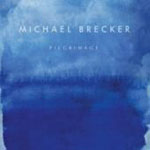
During the months of his courageous battle, a larger public became aware of not only an outrageously talented, indisputable master of the archetypal jazz instrument, the tenor saxophone, but of a generous and gentle human being—unassuming, personable, a loving father and family man. When the end came, it was neither a sudden shock (the road has taken a severe toll on musicians) nor one that could be implicitly interpreted as "self-inflicted" (drug addiction, alcoholism, smoking, etc.). Then came the recording of Pilgrimage which, accurately or not, is being viewed as something more—a planned valedictory, a final testament, a visionary requiem. Its posthumous release has understandably taken on significance beyond the commercial, the aesthetic, and the historical: it's become a spiritual journey—from conception, to execution, and finally to its reception as a kind of otherworldly message from Brecker himself (I can almost see the modest Brecker bemused, perhaps even a bit amused, by much of the fanfare and fuss).
The playing is that of a master in full possession of all his considerable powers (reminiscent of pianist Bill Evans on the sixteen CDs worth of music recorded less than a week before his death). The ensemble playing on "The Mean Time" is rhythmically and melodically intricate, tightly executed yet replete with inspired interplay and freeness. And for all the energy being expended, the musicians are listening to each other, working with dynamics and tension-release techniques over modal scales and within textures that are polyphonic, bringing as much attention to the group as to the individual soloist. "Tumbleweed" is another example of a high-intensity, intricate, polyphonically rich piece. Metheny's synthesizer-processed guitar solo might seem risky (should it come to be seen as dated gadgetry) because it precedes a majestic Brecker solo, which sets up an almost equally exhilarating, two-handed polyrhythmic turn by Mehldau on acoustic piano.
It's an impressive session by exceptional players who are on their game. Is it a "work of art"? Is it a "classic"? Is it the "best" jazz album of the new millennium? Of Brecker's career? Maybe we'll know—in time. For now, best to enjoy it. Brecker's assimilation of Coltrane's innovations was not unlike Sonny Stitt's translation of Parker's new language. And there's always room for yet another superlative session by either player.
 FOLLOW Samuel Chell
and get notified whenever a new article published.
FOLLOW Samuel Chell
and get notified whenever a new article published.
Sam Chell is a champion of the composers of the American Songbook and the musicians who keep it alive.
Track Listing
The Mean Time; Five Months from Midnight; Anagram; Tumbleweed; When Can I Kiss You Again?; Cardinal Rule; Half Moon Lane; Loose Threads; Pilgrimage.
Personnel

Michael Brecker
saxophone, tenorMichael Brecker: tenor saxophone, EWI; Pat Metheny: guitars; Herbie Hancock: piano (1, 5, 6, 9); Brad Mehldau: piano (2-4, 6, 7); John Patitucci: bass; Jack DeJohnette: drums.
Album information
Title: Pilgrimage | Year Released: 2007 | Record Label: Heads Up International
About Michael Brecker
Tags
PREVIOUS / NEXT


Become a Sustaining Member

Since 1995, All About Jazz has championed jazz as an art form and supported the musicians who create it. Over three decades, it has grown into one of the world's leading jazz resources, serving hundreds of thousands of readers, musicians, presenters and industry professionals each month.
Help Build the Future of All About Jazz
Your support helps us continue building All About Jazz for the next generation—expanding our editorial coverage, preserving jazz history, developing new community features and creating better ways to discover the music and the people behind it.
Become a sustaining member for as little as $20 per year and you'll immediately enjoy an ad-free experience along with access to subscriber features and future articles for a full year.
Together, we're not simply sustaining All About Jazz—we're building its future. Thank you for being part of the journey.