Home » Jazz Articles » Album Review » Paul Shapiro: It's In The Twilight
Paul Shapiro: It's In The Twilight
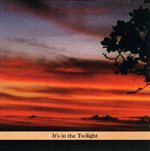
Shapiro writes with traditional Jewish motifs and then expands them into startling essays, the music leaving its mark as it goes past different signposts. Those can be the beauty of orchestrated ensemble playing, an exhilarating sense of swing, or a ride out into the wide open where content is moulded by free form.
The traditional "Kiddush is burnished on the liturgical melodies on which it is based. The horns interweave to form a rich, resplendent tapestry, with Tony Lewis adding vibrant splashes of colour on the drums. It is all heartwarming and beautiful. "Lecha Dodi Twilight was a poem written in the 16th Century, veiled by time in several melodies, but the jump melody here was written by Shapiro. His saxophone is edgy and filled with the rhythm of soul, and on his return, a nifty dose of bop. Steven Bernstein cuts to the core of the melody on the trumpet, touching on klezmer, and then Brian Mitchell loosens up some bright boogie.
Fire and brimstone visit with "Children of Abraham, which careens forth, propelled by drums and bass, with the tenor in majestic voice commanding the path. Shapiro pushes the edges, visiting peaks and valleys, and form begins to slide out of shape when pianist Brian Mitchell opens a vent for a freewheeling fusillade. But one must complete the circle, and the horns draw that final elliptical line.
 FOLLOW Jerry D'Souza
and get notified whenever a new article published.
FOLLOW Jerry D'Souza
and get notified whenever a new article published.
From Bombay, India to Toronto and into the third dimension.
Track Listing
Light Rolls Away the Darkness; Children of Abraham; The Sun Keeps on Coming Up; Lecha Dodi Twilight; Kiddush; Oy Veys Mir; Adon Olam; One Must Leave So Another Can Come
Personnel
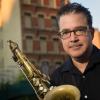
Paul Shapiro
saxophonePaul Shapiro: tenor sax, vocals; Steven Bernstein: trumpet, slide trumpet, vocals; Peter Apfelbaum: tenor sax, vocals; Bian Mitchell: piano; Booker King accoustic bass; Tony Lewis: drums.
Album information
Title: It's In The Twilight | Year Released: 2006 | Record Label: Tzadik
About Paul Shapiro
Tags
PREVIOUS / NEXT


Become a Sustaining Member

Since 1995, All About Jazz has championed jazz as an art form and supported the musicians who create it. Over three decades, it has grown into one of the world's leading jazz resources, serving hundreds of thousands of readers, musicians, presenters and industry professionals each month.
Help Build the Future of All About Jazz
Your support helps us continue building All About Jazz for the next generation—expanding our editorial coverage, preserving jazz history, developing new community features and creating better ways to discover the music and the people behind it.
Become a sustaining member for as little as $20 per year and you'll immediately enjoy an ad-free experience along with access to subscriber features and future articles for a full year.
Together, we're not simply sustaining All About Jazz—we're building its future. Thank you for being part of the journey.