Home » Jazz Articles » Album Review » Sarah Manning: Dandelion Clock
Sarah Manning: Dandelion Clock
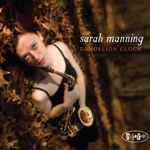
Manning began playing jazz during junior high school, where her dissonant arrangements caught the attention of the school's founder, Jackie McLean. She later entered the jazz studies program at William Paterson College under the direction of Rufus Reid. After more studies and a move to the West Coast, Manning embarked on a recording career.
"Marble" is one of seven Manning originals. It's an easygoing piece that starts off softly, except for the alto's wail. The mood remains light, despite the energy pickup provided by Art Hirahara's piano solo. When Manning rejoins the soundscape, she takes the quartet on a free0spirited country drive—not caring where they go but thoroughly enjoying the act of getting there.
Manning awakens slowly to open "I Tell Time by the Dandelion Clock." After spending a few minutes freshening up, the piano leads the morning workout, assisted by bassist Linda May Han Oh and drummer Kyle Struve. As the alto enters the stretch run, the other instruments kick into high gear—all while the tick-tock of Struve's rim shots continues.
It may take several years of listening to be able to say, "Yes, that's Sarah Manning." However, just one time through Dandelion Clock is enough to know she doesn't sound like anyone else. Developing a voice isn't something that every musician does, and not all who do so are distinctive enough. But this collection shows that Manning is clearly on her way.
 FOLLOW Woodrow Wilkins
and get notified whenever a new article published.
FOLLOW Woodrow Wilkins
and get notified whenever a new article published.
Woody started in jazz with the diverse sounds of Maynard Ferguson's bands of the 1970s.
Track Listing
The Peacocks; Marble; Habersham Street; I Tell Time By the Dandelion Clock; Crossing, Waiting; The Owls (Are on the March); Through the Keyhole; Phoenix Song; The Windmills of Your Mind.
Personnel

Sarah Manning
saxophoneSarah Manning: alto saxophone; Art Hirahara: piano; Linda Oh: bass; Kyle Struve: drums.
Album information
Title: Dandelion Clock | Year Released: 2010 | Record Label: Posi-Tone Records
About Sarah Manning
Tags
PREVIOUS / NEXT

Become a Sustaining Member

Since 1995, All About Jazz has championed jazz as an art form and supported the musicians who create it. Over three decades, it has grown into one of the world's leading jazz resources, serving hundreds of thousands of readers, musicians, presenters and industry professionals each month.
Help Build the Future of All About Jazz
Your support helps us continue building All About Jazz for the next generation—expanding our editorial coverage, preserving jazz history, developing new community features and creating better ways to discover the music and the people behind it.
Become a sustaining member for as little as $20 per year and you'll immediately enjoy an ad-free experience along with access to subscriber features and future articles for a full year.
Together, we're not simply sustaining All About Jazz—we're building its future. Thank you for being part of the journey.