Home » Jazz Articles » Jason Stein
Jazz Articles about Jason Stein
About Jason Stein

Jason Stein Quartet: The Story This Time
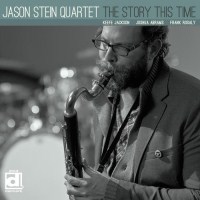
by Nic Jones
The two horns, bass and drums quartet is becoming a commonplace grouping even though it hasn't quite reached the saturation point of the piano-bass-drums trio. A consequence of this instrumentation is the obvious decline in novelty value and, indeed, the ability to catch the ear, but this is a leader and group only too aware of that, which explains why this is such a fresh body of music. Jason Stein also plays the bass clarinet exclusively, which in a sense ...
Continue Reading...Album Review
Jason Stein: In Exchange for a Process

by AAJ Italy Staff
Non capita tutti i giorni di imbattersi in un'incisione di solo clarinetto basso, strumento che siamo abituati ad acoltare in genere in formazioni più allargate. Sentirlo così, messo a nudo e spogliato del suo contorno, dà una sensazione inconsueta. Ma il giovane Jason Stein (classe '76) sa già il fatto suo, forte dell'esperienza nell'ambito della nuova scena jazz di Chicago (ha fatto parte dell'ensamble post-free Bridge 61) approccia questo lavoro in solitario con la grinta e la fantasia necessarie per ...
Continue Reading...Got Bass Clarinet? Jason Stein Does

by Mark Corroto
In the short history of jazz--only about 110 years--the bass clarinet has had an even shorter existence. Students of Charles Darwin's evolutionary studies might point towards the adaption of the instrument into the new jazz of the 1960s; or perhaps the branch of evolution studies called biogeography might explain that fertile locations spawn growth in the use of certain instruments. Nonetheless, the bass clarinet has only appeared in fits-and-starts throughout the jazz story. If the progenitor was Eric Dolphy, his ...
Continue Reading...Jason Stein: A Calculus of Loss
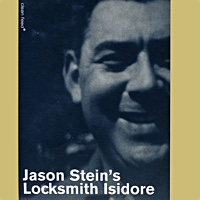
by AAJ Italy Staff
Se si eccettua “That’s Not a Closet“, brano strutturato, riconoscibile, identificabile con alcuni canonici estetici della musica afroamericana, A Calculus of Loss si può considerare una sorta di work in progress su sculture sonore. Perché le improvvisazioni del trio sono sfuggenti, deformate e deformabili, in perpetua ed istantanea evoluzione. Sono sufficienti un fremito percussivo, una vibrazione d’ancia, un inflessione del violoncello per alterare la percezione di una musica che sembra assorbire energia dallo spazio circostante e dare risalto ai vuoti, ...
Continue Reading...Album Showcase


Trending
 In Tribute To...
Points of View: Celebrating Dave Holland
 In Tribute To...
John Coltrane At 100: A Global Perspective
 Jazz Raconteurs
Julius Hemphill: Marty Ehrlich and Tim Berne Remember a...
 History of Jazz
John Coltrane in Detroit: A Brief History
 Live Review
Detroit Jazz Festival 2026: A Gathering in a Great Jazz City
 Profile
Sequoia Snyder: Growing in the Light of the Masters
 Interview
Jasur Khalilov: From Falak to Fusion
Premium
VOTE!