Home » Jazz Articles » Album Review » Natsuki Tamura / Satoko Fujii: Tobifudo
Natsuki Tamura / Satoko Fujii: Tobifudo
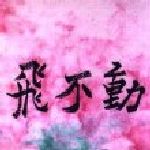
As such, Tobifudo is the introduction to the phenomenon that is Fujii/Tamura (or Tamura/Fujii), and, while there is much worthy music within, it also gives a fascinating look into the beginnings of their stylistic development. With all the music being original compositions by Tamura, this work and band, which could be considered Tamura's, presents many different stylistic strands, sometimes in the same piece.
There is much free playing, usually within a larger overall structure, meaning that as the piece evolves, a section or subsection becomes free, passes through that phase, and then moves out of it. Japanese folk music, with its simpler melodic structures, rhythms and harmony, is also an obvious source of inspiration. American jazz surfaces here and there and does pop/rock, mostly rhythmically.
The essential feature of the music is its energy, regardless of whether it is explosive and controlled. While the music sounds fully formed, from the clear vantage point of hindsight, one can hear Tamura and Fujii finding their way, experimenting, seeing what works and does not work, and what represents their core musical values.
The album's seven tracks have a definite order with the first ("Kage") and the last, title track being the show pieces and the inside tracks (almost) alternating between the folk and pop/rock styles. Thus, "Yansado-Bushi" and "Utage" feel like the folk pair, and "Kurara" and "Omi no Hito" the pop/rock pair, with the second track, "Osake," falling in between. Of course, this labeling vastly simplifies the music in that no single piece is solely in any one style.
Tamura and Fujii are a real team as they both take extended solos, with Fujii also providing accompaniment of differing kinds. Bassist Keiichi Kanai is recorded very closely and produces a large, forceful sound that supports the music while drummer Hidemaro Mise does everything asked of him, providing the rhythmic drama that the music demands.
"Kage," the longest track by far, opens freely, with Fujii playing the inside of the piano. A theme, which strongly resembles "Dies Irae" from composer Hector Berlioz's Requiem (c. 1830) in both its outline and ponderousness, is stated in a number of harmonic areas and creates the skeleton around which the rest of piece revolves. "Tobifudo" opens softly with piano arpeggios, but then quickly "flies" with a climbing theme and galloping rhythms. The piece contains a very exciting drum solo by Mise that could have been by Gene Krupa!
Tobifudo stands as very good music in itself, but also as a window for what is to come from Tamura and Fujii, both together and separately.
 FOLLOW Budd Kopman
and get notified whenever a new article published.
FOLLOW Budd Kopman
and get notified whenever a new article published.
Jazz musicians are magicians and Jazz is the spell they cast
Track Listing
Kage; Osake; Yansado-Bushi; Karura; Utage; Omi no Hito; Tobifudo.
Personnel

Natsuki Tamura
trumpetNatsuki Tamura: trumpet; Satoko Fujii: piano; Keiichi Kanai: bass; Hidemaro Mise: drums.
Album information
Title: Tobifudo | Year Released: 2008 | Record Label: Flying Buddha
About Natsuki Tamura
Tags
PREVIOUS / NEXT
Become a Sustaining Member

Since 1995, All About Jazz has championed jazz as an art form and supported the musicians who create it. Over three decades, it has grown into one of the world's leading jazz resources, serving hundreds of thousands of readers, musicians, presenters and industry professionals each month.
Help Build the Future of All About Jazz
Your support helps us continue building All About Jazz for the next generation—expanding our editorial coverage, preserving jazz history, developing new community features and creating better ways to discover the music and the people behind it.
Become a sustaining member for as little as $20 per year and you'll immediately enjoy an ad-free experience along with access to subscriber features and future articles for a full year.
Together, we're not simply sustaining All About Jazz—we're building its future. Thank you for being part of the journey.