Home » Search Center » Results: Glenn Astarita
Results for "Glenn Astarita"
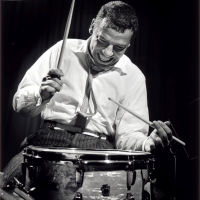
What We Live: Quintet For A Day
by Glenn Astarita
Upon listening to their extremely impressive 1996 effort “Fo(u)r” on Black Saint Records, this San Francisco based Trio continue to chart new turf as being sort of a communal think tank for the creme’ de la creme’ of today’s Modern & Free Jazz artists. “What We Live” is: ROVA’s Larry Ochs (Tenor, Sopranino Sax), Donald Robinson ...
Horn-Kendig-Dickey: Screwdriver
by Glenn Astarita
Released this year, “Screwdriver” was recorded between 1991 and 1993 by Walter Horn, (kbrds, misc. instruments) Gary Kendig (drums, trumpet, misc. instruments) and Hugh Dickey (guitar, clarinet, vocals, misc. instruments). Three amigos with seemingly distorted views of mankind as portrayed via their esoteric and at times, outlandish compositions. The opening track “Chainsaw at Sousa’s Funeral” features ...
Keith Yaun Quintet: Countersink
by Glenn Astarita
This is a good debut effort from Boston, MA based guitarist Keith Yaun. Backed by a band that includes Mat Maneri; violin, John Lockwood; bass: Nathan Cook; tenor sax and Johnny McLellan drums, Yaun displays seasoned bandleading skills not to mention impressive chops. For several years, Boston has been a Mecca for avant-garde and free improvised ...
L. Subramaniam: Indian Express/Mani & Co.
by Glenn Astarita
“Indian Express and Mani & Co. represent the 2nd and 4th LP’s recorded by Indian Violinist L. Subramaniam, originally released in 1984 & 1985 respectively. In the liners Dr. Subramaniam asserts that this music could be called “Neo-Fusion” for blending elements of Indian, European and North American compositional form. The supporting cast reads as a Who’s ...
Archie Shepp: "Something To Live For"

by Glenn Astarita
While making every attempt at identifying any inherent musical attributes that result in positive feelings or thoughts, this writer struggled with Archie Shepp’s futile stabs at vocalizing through an array of tried and true jazz standards. Archie Shepp’s place in Modern Jazz history as an innovative stylist and improviser is etched in stone; however, on “Something ...
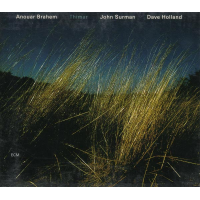
Anouar Brahem: Thimar
by Glenn Astarita
The oud is an ancient short-necked, plucked Arabic instrument. On Thimar, East meets West with oud instrumentalist Anouar Brahem along with jazz masters, saxophonist/bass clarinetist John Surman and bassist Dave Holland. The opener, “Badhra," commences with Surman's light as a feather soprano work while Holland and Brahem successively join the festivities as if they were doing ...
Paul Dunmall Octet: BeBop Starburst
by Glenn Astarita
“BeBop Starburst” is the 2nd release by the brilliant British saxophonist Paul Dunmall and his Octet. All constituents of the extraordinary free jazz band Mujician (see February 1999 Modern Jazz Reviews) appear on this project; however, this is not Mujician plus “4” as some might expect. “BeBop Starburst” aggressively takes on its own identity from the ...
Mujician: Birdman

by Glenn Astarita
“Birdman” is Mujician’s 3rd effort and was released by Cuneiform Records in 1996. On “Birdman” this accomplished British free-jazz band continue their brilliant assault on modern jazz concepts and skillful improvisational execution. The opener and title cut commences with pianist Keith Tippett’s swirling piano intro, which segues into some stimulating dialogue with bassist Paul Rogers. Subtle ...
Dean/Dunmall/Levin/Rogers/Rudd/Tippett: Bladik

by Glenn Astarita
“Bladik” was released in 1996 and basically represents the British free-jazz band “Mujician” with the editions of famed British saxophonist Elton Dean and veteran jazz trombonist Roswell Rudd. The first track “Forearmed” sets the pace with delicate percussion instruments suggesting a “calm before the storm” situation. Bassist Rogers commences in circular fashion with some crafty arco ...
Glenn Spearman: Blues For Falasha
by Glenn Astarita
The untimely passing of Saxophonist Glenn Spearman in October 1998 was a tragic loss for the Modern Jazz community. Spearman’s refreshing approach to jazz ideology was engaging and significant. Glenn Spearman embraced concepts pioneered by the likes of Albert Ayler and Frank Wright with vigor and poise. “Blues For Falasha” is perhaps Glenn Spearman’s last recording ...
Album Showcase



Trending
 In Tribute To...
John Coltrane At 100: A Global Perspective
 Jazz Raconteurs
Julius Hemphill: Marty Ehrlich and Tim Berne Remember a...
 History of Jazz
John Coltrane in Detroit: A Brief History
 Live Review
Detroit Jazz Festival 2026: A Gathering in a Great Jazz City
 Profile
Sequoia Snyder: Growing in the Light of the Masters
 Interview
Jasur Khalilov: From Falak to Fusion
 Profile
The Discreet Charm of Tete Montoliu
VOTE!