Home » Jazz Articles » Album Review » Yelena Eckemoff: Scenes From the Dark Ages
Yelena Eckemoff: Scenes From the Dark Ages

From that moment, the album establishes itself as less a suite of scenes than a guided passage through a contested era. Eckemoff does not romanticize the medieval world so much as occupy it, peopling it with craft, labor, belief, and unease. She has assembled a company fit for such an undertaking. Riccardo Bertuzzi on electric guitar, Carlo Nicita on soprano, alto, and bass flutes, Eloisa Manera on acoustic and electric violin, Riccardo Oliva on electric bass, and Trilok Gurtu on drums and percussion form a court of specialists rather than a band in the modern sense. Each plays a role, each knows when to speak and when to stand at attention. Eckemoff herself broadens her instrumental reach with organ, clavichord, celesta, and synthesizers, choosing timbres that feel architectural by choice.
Nicita emerges as the album's chief chronicler. This two-disc work fulfills Eckemoff's stated aim of crafting a "Medieval Symphony," and his flutes function as illuminated script, curling through the margins and occasionally stealing the eye from the main text. He plays with a traveler's curiosity and a monk's discipline, decorating the music without gilding it. In "Village Tavern" and "Masquerade," he leans into playfulness, letting melody drink, stumble, and recover. Manera's violin takes particular advantage of the latter, trading courtly grace for masked mischief. In "Chivalry," Nicita restrains himself, allowing space to do its quiet moral work. His most elaborate statement comes in "Quest," where his lines twist and turn with scholarly confidence, ornamented yet purposeful, never lost in their own calligraphy.
If Nicita provides the ink, Bertuzzi supplies the iron. His guitar work feels less concerned with flourish than with placement. He understands weight. In "Legends of the Castle" and "Tournament," his tone smolders rather than burns, a controlled fire banked for long nights. In "From the Life of the Lords," he allows abstraction to creep in, blurring rank and ritual with a knowing restraint. He is present without presiding, audible without dominance. It is a rare and valuable instinct, and he exercises it with admirable clarity.
The album's great achievement lies in its refusal to varnish history. Beneath the pageantry and processions runs a current of strain and severity. "Spell-Bound Fortress" strikes with punitive force, Bertuzzi's guitar landing hard and often while Gurtu's cymbals scatter sparks across the mix. "Adventures of a Knight" and "Battle" reject triumphalism. Their momentum carries anxiety rather than glory, forward motion fueled by obligation instead of desire. These are not songs of victory but of survival. Even moments of apparent refuge resist comfort. "Monks in Scriptorium" and "Cathedral" glow with reverence, yet their stillness feels earned rather than granted. Prayer here is work. Silence is labor. Faith offers structure but no guarantees.
What Eckemoff ultimately constructs is not a museum of medieval tropes but a living settlement, complete with its pleasures, violences, devotions, and doubts. The record breathes with human traffic. You hear footsteps in corridors, arguments in chambers, coins changing hands, and candles being lit with care because there may not be another.
 FOLLOW Tyran Grillo
and get notified whenever a new article published.
FOLLOW Tyran Grillo
and get notified whenever a new article published.
Music writer, singer, translator, scholar.
Track Listing
Pilgrims; Village Tavern; From Peasants Life; Spell-Bound Fortress; Monks in Scriptorium; Cathedral; Legends of the Castle; Adventures of a Knight; Battle; Chivalry; Tournament; Masquerade; Alchemist; Quest; From the Life of the Lords.
Personnel

Yelena Eckemoff
piano
Riccardo Bertuzzi
guitar, electric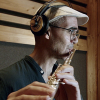
Carlo Nicita
flute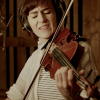
Eloisa Manera
violin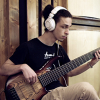
Riccardo Oliva
bass, electric
Trilok Gurtu
tablasAlbum information
Title: Scenes From the Dark Ages | Year Released: 2025 | Record Label: L & H Production
About Yelena Eckemoff
Tags
PREVIOUS / NEXT

Become a Sustaining Member

Since 1995, All About Jazz has championed jazz as an art form and supported the musicians who create it. Over three decades, it has grown into one of the world's leading jazz resources, serving hundreds of thousands of readers, musicians, presenters and industry professionals each month.
Help Build the Future of All About Jazz
Your support helps us continue building All About Jazz for the next generation—expanding our editorial coverage, preserving jazz history, developing new community features and creating better ways to discover the music and the people behind it.
Become a sustaining member for as little as $20 per year and you'll immediately enjoy an ad-free experience along with access to subscriber features and future articles for a full year.
Together, we're not simply sustaining All About Jazz—we're building its future. Thank you for being part of the journey.