Home » Jazz Articles » Album Review » Yusef Lateef: Psychicemotus
Yusef Lateef: Psychicemotus
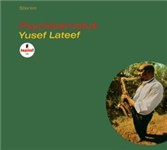
I find it nothing of the sort. Psychicemotus is quite available to any jazz fan with open ears, and unmysterious to anyone who can understand that African and Asian instruments and musical concepts have long been embraced and integrated into jazz by Lateef, who also has a long history in integrating R&B into jazz. Lateef's album is simply wildly eclectic and often driven by a variety of flutes.
He handles Erik Satie's "First Gymnopedie" with a devout classical tone that's faithful to the graceful meditative structure of the original. On the other hand, "Bamboo Flute Blues" has some unusual tones vocalized on a F pentatonic scale—called "primitive" in the original liner notes!—but the shape of the piece is derived from traditional New Orleans jazz and gospel. Workouts on tenor sax like "I'll Always Be In Love With You" have a gruff sweetness to them that makes Lateef fit nicely in the same musical universe as Sonny Rollins.
Much of the pleasure of this 1965 album is also derived from the superlative support given Lateef by bassist Reggie Workman, the obscure pianist George Arvanitas, and the amazingly underrated drummer James Black. The lightness and playfulness of the musical experimentation here is a massive contrast to much of what the Impulse! label was recording in the '60s, which serves as a reminder that new jazz then, as now, need not be darkly moody in order to make a mind and heart-expanding statement.
FOLLOW Norman Weinstein
and get notified whenever a new article published.
Track Listing
Psychicemotus; Bamboo Flute Blues; Semiocto; Why Do I Love You?; First Gymnopedie; Medula Sonata; I'll Always Be In Love With You; Ain't Misbehavin'.
Personnel

Yusef Lateef
woodwindsYusef Lateef: flutes, tenor sax, tambourine; George Arvanitas: piano; Reggie Workman: bass; James Black: drums, percussion.
Album information
Title: Psychicemotus | Year Released: 2005 | Record Label: Impulse!
About Yusef Lateef
Tags
PREVIOUS / NEXT

Become a Sustaining Member

Since 1995, All About Jazz has championed jazz as an art form and supported the musicians who create it. Over three decades, it has grown into one of the world's leading jazz resources, serving hundreds of thousands of readers, musicians, presenters and industry professionals each month.
Help Build the Future of All About Jazz
Your support helps us continue building All About Jazz for the next generation—expanding our editorial coverage, preserving jazz history, developing new community features and creating better ways to discover the music and the people behind it.
Become a sustaining member for as little as $20 per year and you'll immediately enjoy an ad-free experience along with access to subscriber features and future articles for a full year.
Together, we're not simply sustaining All About Jazz—we're building its future. Thank you for being part of the journey.