Home » Jazz Articles » Album Review » Michael Brecker: Pilgrimage
Michael Brecker: Pilgrimage
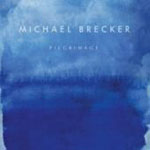
It's easy to want Pilgrimage to be one of Brecker's best recordings out of a purely emotional response to his passing. While the knowledge that this is his final recording creates an unassailable sense of loss, the fact remains that the writing on Pilgrimage stands as some of his best, and if he was in a weakened state you'd never know it. Brecker sounds as strong as he ever did—stronger, in fact.
For this last session Brecker called upon old friends—guitarist Pat Metheny, bassist John Patitucci, drummer Jack DeJohnette and pianist Herbie Hancock (who plays on four tracks). He also collaborates, for the first time, with pianist Brad Mehldau on five tracks. That Hancock and Mehldau are vastly different players is an understatement; yet Pilgrimage remains cohesive and focused, with both players bringing their own inimitable strengths to the material.
Brecker's unmistakable writing style stems, at times, from a post-Coltrane modality, but there's a greater complexity and distinctive language. Solo space abounds, but Brecker's ambitious writing is longer-form, with all manner of twists and turns that bring out some of the best performances on record from everyone involved. When DeJohnette takes one of his most energetic solos on the rhythmically and harmonically shifting "Anagram, it's over a metrically challenging piano/bass ostinato that ultimately turns contrapuntal when Metheny and Brecker reenter.
"Tumbleweed, with Metheny's signature synth tone, bears comparison to the guitarist's own "Song for Bilbao in that it's an altered blues (also featuring a surprisingly funky solo from Mehldau), while the slinky groove of "Loose Threads finds Hancock straddling the line between greater abstraction and more grounded soulfulness. Metheny seems to be inspired towards greater risks, with some of his most evocative playing in recent years.
Brecker takes the first solo on the opening salvo of "The Mean Time, quickly dispensing with any notion that illness had compromised the visceral power that was a defining characteristic of his playing. "When Can I Kiss You Again? may be a slow tempo tune with softer edges, but Brecker manages to mine surprising depths of emotion here as well.
They say that music has healing power. It may not have been able to prevent the inevitable with Brecker's illness; but for brief time, a scant five months before his death, it's clear that music gave him the strength to record a watershed album that represents a remarkable end to an equally extraordinary musical life.
 FOLLOW John Kelman
and get notified whenever a new article published.
FOLLOW John Kelman
and get notified whenever a new article published.
With the realization that there will always be more music coming at him than he can keep up with, John wonders why anyone would think that jazz is dead or dying.
Track Listing
The Mean Time; Five Months from Midnight; Anagram; Tumbleweed; When Can I Kiss You Again?; Cardinal Rule; Half Moon Lane; Loose Threads; Pilgrimage.
Personnel

Michael Brecker
saxophone, tenorMichael Brecker: tenor saxophone, EWI; Pat Metheny: guitars; Herbie Hancock: piano (1, 5, 6, 9); Brad Mehldau: piano (2-4, 6, 7); John Patitucci: bass; Jack DeJohnette: drums.
Album information
Title: Pilgrimage | Year Released: 2007 | Record Label: Heads Up International
About Michael Brecker
Tags
PREVIOUS / NEXT
Become a Sustaining Member

Since 1995, All About Jazz has championed jazz as an art form and supported the musicians who create it. Over three decades, it has grown into one of the world's leading jazz resources, serving hundreds of thousands of readers, musicians, presenters and industry professionals each month.
Help Build the Future of All About Jazz
Your support helps us continue building All About Jazz for the next generation—expanding our editorial coverage, preserving jazz history, developing new community features and creating better ways to discover the music and the people behind it.
Become a sustaining member for as little as $20 per year and you'll immediately enjoy an ad-free experience along with access to subscriber features and future articles for a full year.
Together, we're not simply sustaining All About Jazz—we're building its future. Thank you for being part of the journey.