Home » Jazz Articles » Album Review » Brand X: Theory of Nothing: Record Live in 1977
Brand X: Theory of Nothing: Record Live in 1977
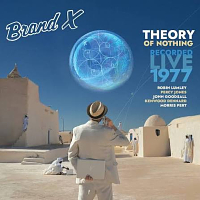
The first disc sounds astonishingly fresh, with a clarity and immediacy that could easily suggest it was recorded yesterday rather than nearly five decades ago. The instruments are well defined, and the music has considerable presence and punch. Disc two is not quite as pristine, but still conveys the power, detail and intricacy of the performances.
Phil Collins could not make the tour because of his commitments with Genesis, so elite jazz fusion drummer Kenwood Dennard occupied the drum chair. Any concern that Collins' absence might diminish the band's rhythmic firepower quickly disappears. With Percy Jones on bass, John Goodsall on guitar, Robin Lumley on keyboards and Morris Pert on percussion, Dennard helps create a formidable five-man unit capable of negotiating abrupt turns and difficult meters while maintaining a surprisingly loose feel.
"Disco Suicide" provides an immediate demonstration of the group's chemistry. Goodsall and Lumley exchange lightning-fast runs while Jones, Dennard and Pert navigate the constantly shifting rhythmic terrain underneath them. Unison lines fly by at alarming speed, yet even the most technically demanding sections retain shape and purpose. Along the way, they weave dreamy, melodic episodes into the mix, moving through various modalities, abetted by Lumley's stinging Moog notes and orchestral synth voicings. The band's precision never comes at the expense of excitement.
"Euthanasia Waltz" brings the band's Canterbury side into sharper focus. Its melodic passages offer a counterweight to the rhythmic complexity, with Lumley's keyboards and Goodsall's guitar darting in and out of the arrangement. Jones is especially effective, supplying muscular low-end support while remaining extraordinarily nimble. The performance illustrates how Brand X could move from tightly constructed passages into freer territory without making the transition sound forced.
"Malaga Virgen" is an exhilarating showcase for the band's instrumental firepower. Goodsall unleashes rapid guitar runs while Lumley responds with equally fleet keyboard passages, the two frequently converging in tightly executed unison figures. Difficult time signatures and sudden rhythmic shifts are handled with such confidence that the underlying complexity can almost seem effortless.
Disc two raises the temperature with "Nuclear Burn," including a high-impact drum and percussion solo that puts Dennard and Pert squarely in the spotlight. The two generate a barrage of rhythmic ideas before the rest of the band reenters and the ensemble snaps back together with startling precision. It is a potent reminder that Brand X's technical brilliance was matched by its ability to create genuine excitement onstage.
What makes the album exceptional is that virtuosity never becomes the sole attraction. Blistering runs, odd meters and intricate unison lines abound, but so do memorable melodies and the quirky progressive character associated with the Canterbury sound. Thanks to the discovery of Lumley's tapes, Theory of Nothing: Recorded Live in 1977 is far more than an archival curiosity. It captures five remarkable musicians turning daunting complexity into music that remains spontaneous, melodic and thrilling nearly half a century later.
 FOLLOW Glenn Astarita
and get notified whenever a new article published.
Glenn is a senior writer and editor at All About Jazz.
Track Listing
Smacks of Euphoric Hysteria; Disco Suicide; Access to Data; Why Should I Lend You Mine When You've Broken Yours Off Already?; Euthanasia Waltz; Malaga Virgen; Earth Dance; Deadly Nightshade; Nuclear Burn; Nightmare Patrol.
Personnel

Brand X
band / ensemble / orchestra
Percy Jones
bassRobin Lumley
keyboardsJohn Goodsall
guitar
Kenwood Dennard
drumsMorris Pert
percussionAlbum information
Title: Theory of Nothing: Record Live in 1977 | Year Released: 2026 | Record Label: MoonJune Records
About Brand X
Tags
PREVIOUS / NEXT

Become a Sustaining Member

Since 1995, All About Jazz has championed jazz as an art form and supported the musicians who create it. Over three decades, it has grown into one of the world's leading jazz resources, serving hundreds of thousands of readers, musicians, presenters and industry professionals each month.
Help Build the Future of All About Jazz
Your support helps us continue building All About Jazz for the next generation—expanding our editorial coverage, preserving jazz history, developing new community features and creating better ways to discover the music and the people behind it.
Become a sustaining member for as little as $20 per year and you'll immediately enjoy an ad-free experience along with access to subscriber features and future articles for a full year.
Together, we're not simply sustaining All About Jazz—we're building its future. Thank you for being part of the journey.