Home » Jazz Articles » Multiple Reviews » Paul Rutherford: Neuph & Iskra3
Paul Rutherford: Neuph & Iskra3
 Paul Rutherford
Neuph (1978-80)
Emanem
2005
Neuph, recorded in its original LP form in January 1978 and now augmented with the live tracks from 1980, made use of an old recording standard—overdubbing—but in a such a way as to create a discussion about the role of a solo improviser. Rutherford plays various extemporaneous tunes on as few as one euphonium or as much as four overlayed trombones. The musicianship and experimentation is excellent but what is confounding is that Rutherford is reacting to himself, not in real time, but in a studio, even speeding up certain tracks, to create a soundscape far different than the two live solo trombone tracks that open and close the disc. Some might call it impersonal, but it offers fascinating answers to the questions of how to play solo and how to use available technology to expand the role of a musician.
 Paul Rutherford
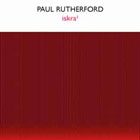
Iskra3
Psi
2005
Iskra3 is a different beast as Rutherford has a more traditional function than on Neuph but utilizes a modern innovation—computer processing—to update what an acoustic instrument, albeit one played in expert hands, can accomplish when its musical counterpart is a machine, though one manipulated by its own duo of improvisors (Robert Jarvis and Lawrence Casserly). Both discs are less about music and more about aural exploration, a dichotomy that Rutherford has embraced his whole career.
Track and Personnel Listings
Neuph (1978-80)
Tracks: Roman Tick for one trombone; Yep 321 for two euphoniums; Realign 4 for four trombones; Three Levels for three trombones (one double speed); Paunch and Judies for one double speed trombone and dog; Chefor for one euphonium; Phase 2/2 for two trombones and two euphoniums; Neuph for one trombone and one euphonium; Pisa Ear for one trombone.
Personnel: Paul Rutherford: trombone, euphonium.
Iskra3
Tracks: Zenquahn; Ommbuhl; Bodrivar; Falgoric; Brelfor; Felcrum; Mayilcra.
Personnel: Paul Rutherford: trombone; Robert Jarvis, Lawrence Casserley: live computer processing.
 FOLLOW A. Henkin
and get notified whenever a new article published.
FOLLOW A. Henkin
and get notified whenever a new article published.
About Paul Rutherford

Tags
PREVIOUS / NEXT


Become a Sustaining Member

Since 1995, All About Jazz has championed jazz as an art form and supported the musicians who create it. Over three decades, it has grown into one of the world's leading jazz resources, serving hundreds of thousands of readers, musicians, presenters and industry professionals each month.
Help Build the Future of All About Jazz
Your support helps us continue building All About Jazz for the next generation—expanding our editorial coverage, preserving jazz history, developing new community features and creating better ways to discover the music and the people behind it.
Become a sustaining member for as little as $20 per year and you'll immediately enjoy an ad-free experience along with access to subscriber features and future articles for a full year.
Together, we're not simply sustaining All About Jazz—we're building its future. Thank you for being part of the journey.