Home » Jazz News » Music Industry
Modded Pianos Delight Indie Audiences Classical Buffs


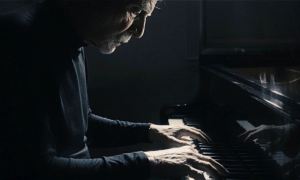
Bertelman has become an accomplished player of the “prepared" piano a piano that has been modified by any number of hardware additions under the name Hauschka. For a typical piece, he makes more than 20 adjustments to the innards of a grand or upright piano using duct tape, felt, cellophane, bottle caps, leather wedges, aluminum foil, sheets of paper and E-bows (normally used to sustain notes on an electric guitar), as well as materials donated by his fans.
Wherever I play, people are surprised. When I'm playing in front of an indie audience, people are just discovering more classical music. And when I play in front of a classical audience, people are surprised by how experimental a piano concert can be.
I would say my audience is an audience that is open for discovering things. What's also interesting is that there's a huge range of age ... there are old people, but at the same time there are very young people -- like, 18 -- and they think I'm a freak.
Volker Bertelman
The concept, while new to the 10-year-old Bertelman, seems to have been first explored by John Cage, an avant-garde composer who began writing for prepared piano in the '30s.
He began his experiments as a kid. “I put some of these little metal pins that you use to pin up paper.... I put tons of those in the hammers of the piano, just to use it as a kind of harpsichord. My mom didn't like it very much, so I got away from that," he explained.
But when he recorded his first album, 2004's Substantial, in the Welsh countryside, he found he wanted more sounds, but he didn't want to think of touring with a big band.
For more information contact All About Jazz.