Home » Jazz Articles » Album Review » Makajodama: Makajodama
Makajodama: Makajodama
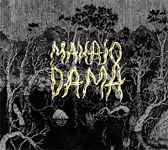
Danielsson also uses keys and percussion, and performs on electric bass, yet the dual acoustic-electric strings section of cellist Karin Larsdotter and violinist Johan Klint generates a chamber rock element in spots. The program is a study in lucid contrasts via the unit's odd-metered pulses; Danielsson's sweeping electric guitar phrasings and dynamically oriented use of distortion techniques. But they sweeten the pot during "Buddha and the Camel," which features a sweet-toned strings-based melody, morphed with Tobias Wahlstedt's whimsical flute lines and the guitarist's hard-rock wah-wah maneuvers.
Makajodama integrates minimalism into its musical layout to complement softly shifting themes on "The Train of Thought," where Danielsson enamors the flow with his ethereal pedal steel guitar. They even tackle the blues with "The Girls at the Marches." This self-titled album looms as an unanticipated surprise for 2009. The musicians paint a broad panorama, swarming with subtle musings and fascinating soundscapes. Unlike many other bands of this ilk, these folks place compositional goodness as a priority while sustaining gobs of interest throughout.
 FOLLOW Glenn Astarita
and get notified whenever a new article published.
FOLLOW Glenn Astarita
and get notified whenever a new article published.
Glenn is a senior writer and editor at All About Jazz.
Track Listing
Reodor Felgen Blues; Buddha and the Camel; Wolof; The Train of Thought; The Ayurvedic Soap; Vallingby Revisited; The Girls at the Marches; Autumn Suite.
Personnel
Mathias Danielsson: guitar, electric bass, organ, pedalsteel, percussion, Korg WT10; Mattias Ankarbrandt: drums, percussion; Johan Klint: acoustic and electric violin, organ; Karin Larsdotter: acoustic and electric cello, percussion. With Special Guests - Michel Reisler: agogo; Lars Tillberg Galsgaard: berimbao, pandeiro; Tobias Wahlstedt: flute; Christine Jost: bassoon; Gustav Nygren: tenor saxophone; Stian Grimstad: tuba, baritone horn, sitar.
Album information
Title: Makajodama | Year Released: 2009 | Record Label: The Lasers Edge
About Makajodama
Tags
PREVIOUS / NEXT

Become a Sustaining Member

Since 1995, All About Jazz has championed jazz as an art form and supported the musicians who create it. Over three decades, it has grown into one of the world's leading jazz resources, serving hundreds of thousands of readers, musicians, presenters and industry professionals each month.
Help Build the Future of All About Jazz
Your support helps us continue building All About Jazz for the next generation—expanding our editorial coverage, preserving jazz history, developing new community features and creating better ways to discover the music and the people behind it.
Become a sustaining member for as little as $20 per year and you'll immediately enjoy an ad-free experience along with access to subscriber features and future articles for a full year.
Together, we're not simply sustaining All About Jazz—we're building its future. Thank you for being part of the journey.