Home » Jazz Articles » Album Review » Changüí Majadero: El Changüí Majadero
Changüí Majadero: El Changüí Majadero
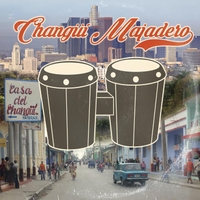
This group was formed as a labor of love by Gabriel Garcia, who plays the Cuban tres (three sets of strings—tuned to same pitch) and sings. After Garcia became infatuated by the infectious changüí sound, he traveled to Guantanamo to learn firsthand from the masters how to replicate the distinctive melodic nuances on the tres. Bassist Yosmel Montejo is a native Cuban, so he has the innate sense of channeling the harmony which hold the arrangements together. Vocalist Norell Thompson, is Puerto Rican, and experienced in the proper phrasing and emotions required to sing changüí. The band is rounded out by the Ortiz brothers, Alfred on maracas and vocals, and George on the bongos.
"Me La Llevo Al Megoton," displays the characteristic emphasis on the downbeat, the tempo driven by the maracas and bongos, and by the scratchy guayo, supplied by Eddy Ortiz. Thompson shines on the vocals which lead to a call and response section typical of most changüí songs. There is a cross reference to Santeria in the lyrics of "Mayumbero," and "Nengon," is the precursor to changüí, the beat played in straight quarter notes, for a throwback African tempo.
The campesino (country) music influence highlights "Soy Campesino," and "Digno De Lastima," a humorous story of a man who deserves pity and compassion due to his concurring plights and situations. Folk tales offer an essential backdrop for lyrics, and "Pastora De Guararey," recalls the venerable matriarch Pastora whose daughter was romantically involved with a married man, who drew her ire (guararey); this song was covered in salsa's heyday by Ray Barretto, and is revisited here with great zest and fervor.
Rumba is where the drummers get to dominate the interplay, and bongocero George Ortiz mixes it up with Garcia on "La Rumba Esta Buena," with Thompson doing some great sonera singing. Shedding light on the 2014 Mexican mass student disappearance, "Changüí Pa' Ayotzinapa," articulates that infamous incident which remains an open case and mystery. Martha Gonzalez is a local East LA vocalist, and she is featured on "Amor De Madre," an inspiring tribute to the unequalled status of a mothers love.
It is exhilarating to discover a band who has recaptured a historical style, and brought it into the modern era. Though changüí has always maintained its relevance and importance, it was certainly due a shot of revivalism. Changüí Majadero has maintained the established format of bongos, bass and tres, augmented by the maracas/guayo percussive definition, centered on the singer's ability to invoke the proper sentiments. This is joyous music, deserving greater recognition.
 FOLLOW James Nadal
and get notified whenever James has a new article published.
FOLLOW James Nadal
and get notified whenever James has a new article published.
...for the people who created the music, and those who listen.
Track Listing
Me La Llevo Al Megaton; Maymbero; Vamos Pa’l Guaso/Guantanamera Changüísera; Nengon; Digno De Lastima; Pastora De Guararey; La Rumba Esta Buena; Soy Campesino; Changüí Pa’ Ayotzinapa; Amor De Madre; La Rumba Esta Buena (Remix).
Personnel
Gabriel Garcia: tres, vocals; George Ortiz: bongo de monte; Norell Thompson: vocals, guayo; Alfred Ortiz: vocals, maracas; Yosmel Montejo: bass; Eddy Ortiz: guayo; Martha Gonzalez: vocals (10); Feliciano Arango: bass (11); Carlos Sanchez: vocals, trumpet (11); Calixto Oviedo: drums (11); Rigoberto Lopez: bass (10); Joey De Leon: marimbula (4).
Album information
Title: El Changüí Majadero | Year Released: 2016 | Record Label: Self Produced
About Changüí Majadero
Tags
PREVIOUS / NEXT


Become a Sustaining Member

Since 1995, All About Jazz has championed jazz as an art form and supported the musicians who create it. Over three decades, it has grown into one of the world's leading jazz resources, serving hundreds of thousands of readers, musicians, presenters and industry professionals each month.
Help Build the Future of All About Jazz
Your support helps us continue building All About Jazz for the next generation—expanding our editorial coverage, preserving jazz history, developing new community features and creating better ways to discover the music and the people behind it.
Become a sustaining member for as little as $20 per year and you'll immediately enjoy an ad-free experience along with access to subscriber features and future articles for a full year.
Together, we're not simply sustaining All About Jazz—we're building its future. Thank you for being part of the journey.