Home » Jazz Articles » Album Review » Dave Frank: Ballads and Burners
Dave Frank: Ballads and Burners
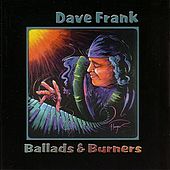
Chops does not music make, however. Fortunately, pianist Dave Frank is as much a musician as he is a technician. To some extent, technique can be learned, assuming the player's reflexes are fast enough, and he or she can learn to relax. Musicianship is more of a gift and while it cannot be created, it can be developed and guided while it blossoms.
Frank was an Associate Professor of Piano at Boston's Berklee College of Music from 1987-2004 and has since moved to New York City to direct the Dave Frank School of Jazz. As a teacher, he must know that stressing technique produces empty musicians; there is always someone who can play faster.
As the title implies, the album is split between the hyper burners, generally with a very impressive left hand, over which flies an even more impressive right hand, and impressionistic pieces that use Debussy/Bill Evans harmonies.
The ballads are actually more interesting, since the ear is hearing music instead of just saying "wow" over and over. These "pastel" pieces also do not bring out the very hard piano that dominates the "burning" pieces.
Frank is obviously a very talented player. What would be most interesting would be an album of standards given a non-burning treatment. The bar against which such an album would compared might be Eyran Katsenelenbogen's Solotude (Eyran Records, 2006), which combined the highest degrees of both pianism and musicianship.
 FOLLOW Budd Kopman
and get notified whenever a new article published.
FOLLOW Budd Kopman
and get notified whenever a new article published.
Jazz musicians are magicians and Jazz is the spell they cast
Track Listing
Spirit of the Burn; Rousseau's World; The Mechanization of America; Information Highway; Salvador Dali In a State of Grace; Jackson Pollack At Work; Shades of Renoir; Afternoon in Nahant; Like People in Heat; Portrait of Manet; Allied Forces, It's Alright With Me.
Personnel
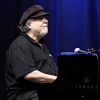
Dave Frank
pianoDave Frank: piano.
Album information
Title: Ballads and Burners | Year Released: 2007 | Record Label: Jazzheads
About Dave Frank
Tags
PREVIOUS / NEXT


Become a Sustaining Member

Since 1995, All About Jazz has championed jazz as an art form and supported the musicians who create it. Over three decades, it has grown into one of the world's leading jazz resources, serving hundreds of thousands of readers, musicians, presenters and industry professionals each month.
Help Build the Future of All About Jazz
Your support helps us continue building All About Jazz for the next generation—expanding our editorial coverage, preserving jazz history, developing new community features and creating better ways to discover the music and the people behind it.
Become a sustaining member for as little as $20 per year and you'll immediately enjoy an ad-free experience along with access to subscriber features and future articles for a full year.
Together, we're not simply sustaining All About Jazz—we're building its future. Thank you for being part of the journey.