Home » Jazz Articles » Album Review » Steven Hashimoto's Mothra: Tradewind
Steven Hashimoto's Mothra: Tradewind
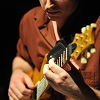
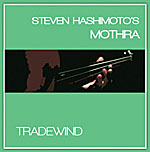
Hashimoto's electric bass style is reminiscent of the recordings of the late, great Jaco Pastorius, but with a modern, personalized sound. His ability to seamlessly move between modern jazz/rock-based grooves ("Now You Know"), slow ethereal ECM-influenced feels ("Haiku") and Latin/swing tunes ("Woikin' Wit' Mr. Poikins") creates a high level of diversity and keeps the album fresh. Giving each tune a unique feel, his versatile bass lines and grooves also fit perfectly in the overall vibe, providing new levels of inspiration for the ensemble.
For their part, Hashimoto's players each bring a strong understanding of the modern jazz language, as well as rich melodic and harmonic vocabularies. But their heightened sense of communication may be the main ingredient of the album's success. Without their interactivity, pieces such as "Eloise," "Happenstance" and "Samsara" could have faltered before they began. Instead, they are allowed to breathe and develop a unique character as the musicians ebb and flow within the nuances of each composition.
Tradewind is a modern jazz album, both sonically adventurous and easily accessible. Originally released by the Chicago Session subscription service, due to the popularity of the series' releases including this one, all of the labels titles are now readily available.
Track Listing
Eloise; Now You Know; Haiku; Woikin' Wit' Mr. Poikins; Tradewind; Happenstance; Farewell to Manzanar; Control Freak; Samsara; Barely Blue; Musashi's Song.
Personnel
Steven Hashimoto
bassSteven Hashimoto: electric bass; Kathy Kelly: vibraphone; Neal Alger: electric guitar; Dan Hesler: tenor, alto and soprano saxophone; Michael Levin: flute, clarinet, bass clarinet, tenor and soprano saxophone; Heath Chappell: drums.
Album information
Title: Tradewind | Year Released: 2009 | Record Label: Chicago Sessions
About Steven Hashimoto
Tags
PREVIOUS / NEXT

Become a Sustaining Member

Since 1995, All About Jazz has championed jazz as an art form and supported the musicians who create it. Over three decades, it has grown into one of the world's leading jazz resources, serving hundreds of thousands of readers, musicians, presenters and industry professionals each month.
Help Build the Future of All About Jazz
Your support helps us continue building All About Jazz for the next generation—expanding our editorial coverage, preserving jazz history, developing new community features and creating better ways to discover the music and the people behind it.
Become a sustaining member for as little as $20 per year and you'll immediately enjoy an ad-free experience along with access to subscriber features and future articles for a full year.
Together, we're not simply sustaining All About Jazz—we're building its future. Thank you for being part of the journey.