Home » Jazz Articles » Album Review » Billie Davies: Time to Cut Loose
Billie Davies: Time to Cut Loose
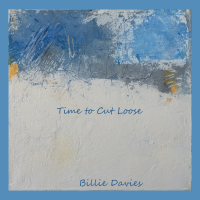
In 2026, Davies, a visionary artist, used the technology to audition and direct virtual players, providing specific stylistic instructions to complement the original recordings. Remarkably, the AI- generated instruments sound so natural and blend so seamlessly with the live performances that distinguishing between them becomes virtually impossible. The compositions reflect the journey of a life that has healed and is now reminiscing, creating boundaries, following intuition, and letting go of people and circumstances that no longer serve one's well-being.
"Time to Cut Loose" opens beautifully with acoustic guitar playing chromatic notes and dissonant chords. Vocalist O'Neil delivers rich melodies, breathing life into the musical journey. The upright bass establishes a dark rhythmic foundation, complemented by Davies' live acoustic piano. "I Am" begins with dark, somber notes from the upright bass and piano. The composition develops into an explosive, aggressive expression of free jazz improvisation. O'Neil delivers a chilling narrative of rebellion, self-love, and the determination to reclaim her identity.
An abstract electric groove defines "Why Does it Make Me Cry." The medium-tempo rhythm combines electric guitar leads, drumbeats, and live piano chords performed by Davies. O'Neil's vocals convey a sense of anguish and uncertainty, reflecting the emotional weight of a troubled world. Her words raise a deeply personal and universal question: "Why does it make me cry?" "Three Days in 1968" introduces a funky, 1960s-inspired classic rock drumbeat accompanied by AI- generated acoustic guitar sounds and upright bass. Davieś live piano solo, featuring chromatic passages, develops into an impressive display of avant-garde improvisation. The arrangement brings together the spirit of an earlier musical era with contemporary experimentation.
Throughout Time to Cut Loose, Davies explores the possibilities of technology without losing the emotional expression of jazz improvisation. The seamless integration of AI-generated instrumentation with live performances creates an intriguing musical experience, demonstrating how innovation and human creativity can coexist.
Time to Cut Loose is a breath of freedom and letting go. It is an awakening, an affirmation of identity, and a reflection on coming to terms with the past. Against a backdrop of war, social unrest, a weakened democracy, and greed, the music encourages listeners to examine the world around them and the emotions these realities evoke. Ultimately, one is left contemplating the question: "Why does it make me cry?"
 FOLLOW La-Faithia White
and get notified whenever a new article published.
Visual Artist/Jazz Lover
Track Listing
Time to Cut Loose; I Am; Why Does it Make Me Cry; Three Days in 1968.
Personnel

Billie Davies
drums
Raphaelle O'Neal
vocalsAdditional Instrumentation
Billie Davies: piano; Billie Davies: Moises AI for bass & guitar.
Album information
Title: Time to Cut Loose | Year Released: 2026 | Record Label: Cobra Basement
About Billie Davies
Tags
PREVIOUS / NEXT


Become a Sustaining Member

Since 1995, All About Jazz has championed jazz as an art form and supported the musicians who create it. Over three decades, it has grown into one of the world's leading jazz resources, serving hundreds of thousands of readers, musicians, presenters and industry professionals each month.
Help Build the Future of All About Jazz
Your support helps us continue building All About Jazz for the next generation—expanding our editorial coverage, preserving jazz history, developing new community features and creating better ways to discover the music and the people behind it.
Become a sustaining member for as little as $20 per year and you'll immediately enjoy an ad-free experience along with access to subscriber features and future articles for a full year.
Together, we're not simply sustaining All About Jazz—we're building its future. Thank you for being part of the journey.