Home » Search Center » Results: Thelonious Monk
Results for "Thelonious Monk"
Pete Malinverni Trio: A Beautiful Thing

by Dan McClenaghan
The great tenor saxophonist Coleman Hawkins once said: “[music]...if you don't make mistakes you're not really trying." Pianist Pete Maliverni seems to have taken this statement to heart, going into the studio with his working trio--bassist Lee Hudson and drummer Eliot Zigmund--to record A Beautiful Thing, producing a music full of inspired flexibility, much like what ...
Andy Farber and his Orchestra: This Could Be The Start Of Something Big

by Dan Bilawsky
Whatever happened to big bands that swing? While the big bands of yesteryear provided music for dancing and a healthy appreciation for swinging soloists and hip arrangements, that isn't the case today. Many of the most popular--and critically acclaimed--large ensembles in modern times are winning fans with highbrow conceptualism and compositions that, as brilliant as they ...
Charles Lloyd New Quartet: Los Angeles, California, September 25, 2010

by Greg Camphire
Charles Lloyd New QuartetNate Holden Performing Arts CenterLos Angeles, California, USASeptember 25, 2010 The audience at the Nate Holden Performing Arts Center in Los Angeles witnessed something akin to a Saturday night prayer service on September 25th, 2010. As Charles Lloyd led his New Quartet in support of their latest ...
Piano Legend Randy Weston Interviewed at All About Jazz

In over 60 years as a leader, pianist Randy Weston has achieved an incredible amount. He has recorded nearly 50 albums and has been hailed in the process as the natural heir to Duke Ellington and Thelonious Monk. Three times he has been voted Downbeat's composer of the year, and his compositions have been recorded by ...
Reeds And Deeds II: The Web's New Home For The Best In Jazz
Hosted by Emerson College student Lydia Liebman, “Reeds & Deeds II" is the new home for jazz on WECB Online Radio. Bringing jazz beyond the campus of Emerson College, Liebman's weekly Sunday evening broadcasts include a mix of tunes from new releases and rare recordings, book readings, current tour updates and exclusive interviews with current jazz ...
Colin Stranahan: Life Condition
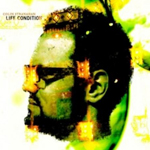
by Bruce Lindsay
Drummer Colin Stranahan was something of a prodigy, gigging around his home town of Denver, Colorado, aged 11 years and releasing his first album, Dreams Untold (Capri Records, 2004) at the age of 17. Life Condition is his third album--inspired by a trip to India with Herbie Hancock and the Monk Institute Band. It's a mix ...
Linda Oh: Persevering Against the Odds

by Mark F. Turner
In an arena that is overwhelmingly dominated by her male counterparts, bassist Linda May-Han Oh is going to be a force with which to be reckoned. Her auspicious, self-produced debut, Entry (2009), was lauded by critics, and was one of pianist Vijay Iyer's top picks for 2009. Born in Malaysia and living in New York, Oh ...
Pascal Schumacher Quartet: Here We Gong

by Bruce Lindsay
Here We Gong is the Pascal Schumacher Quartet's fourth album since its formation in 2002. A richly-rewarding album full of inventive melodies, tremendous playing, warmth and good humor, it establishes the Quartet at the forefront of the burgeoning European scene and Schumacher as one of the finest vibes players in contemporary jazz. The ...
Greg Lewis: Organ Monk
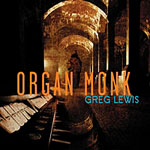
by Dan Bilawsky
Fairly recent work from guitarists Bobby Broom and Peter Bernstein helped open up possibilities for Thelonious Monk's music as guitar repertoire; Greg Lewis' debut looks to do the same for the organ. Monk's music has been notoriously tough to translate on other chordal instruments, partially because of the song structures and melodies themselves, ...
Duke Ellington's America

by Eugene Holley, Jr.
Duke Ellington's AmericaHarvey G. CohenHardcover; 682 pagesISBN: 978-0-226-11263-3University of Chicago Press20010 Dozens of books in print about Duke Ellington portray him as the pre-eminent composer of the 20th century, who led his orchestra for an amazing 50 years and possessed a percussive, dark-clustered ...
Trending
 In Tribute To...
Points of View: Celebrating Dave Holland
 In Tribute To...
John Coltrane At 100: A Global Perspective
 Interview
Boney James: A Simple Man And A Lifetime Study
 Interview
Miles Okazaki's Monkathon: The Complete Thelonious...
 Musician 2 Musician
Steve Coleman on Dave Holland
 Reanimating Conversations Past
John Scofield: Meant To Be
 Live Review
Isaiah Collier Plays Coltrane: Live at Jazz Alley in Seattle
VOTE!