Home » Search Center » Results: harmonica
Results for "harmonica"
About Little Walter
Results for pages tagged "harmonica"...
Little Walter

Born:
Little Walter could make his harp sound like a tenor sax; he was instrumental in defining the sound that is now known as Chicago blues harp. Singer, composer, bandleader and peerless harmonica virtuoso, Little Walters music in virtually all its significant details was forged in the crucible of the emerging and maturing postwar Chicago Blues. It was as a member of, and a vital contributor to the Muddy Waters band that Walter was given full rein to stretch his wings, and it is a tribute to Muddy's foresight and generosity of spirit that he early recognized Walter's great talent and allowed him every opportunity and encouragement to develop it.
About Howard Levy
Results for pages tagged "harmonica"...
Howard Levy

Born:
Howard Levy is a musician without limits. His musical adventures include journeys into jazz, pop, rock, world music, Latin, classical, folk, blues, country, theater, and film. He has appeared on hundred of cd’s, won a Grammy (1997), won a Joseph Jefferson Award (1986) for Best Original Music for a Play, and has performed many times on American and European television and radio.
Universally acknowledged as the world’s most advanced diatonic harmonica player, Howard developed a fully chromatic style on the standard 10 - hole diatonic harmonica, revolutionizing harmonica playing and taking the instrument into totally new territory. He is also an accomplished pianist and composer, and plays many other instruments as well, including flute, ocarina, mandolin, saxophone, and percussion.
About Big Walter Horton
Results for pages tagged "harmonica"...
Big Walter Horton

Born:
Big Walter “Shakey” Horton - Blues harmonica, vocalist (1918 - 1981) Walter Horton, also known as Big Walter or Shakey Horton,is counted among the best blues harp players. He is also considered by many to have had the best tone of any Chicago harp player. Horton was born in Horn Lake, Mississippi in 1918, got his first harmonica from his father when he five, and won a local talent contest with it. Shortly thereafter his mother moved to Memphis, then a hotbed of blues, and according to blues researcher Samuel Charters, Horton was playing with the Memphis Jug Band by the time he was nine or ten
About Shakey Jake Harris
Results for pages tagged "harmonica"...
Shakey Jake Harris
Born:
Shaky Jake Harris - Blues harmonica A colorful harmonica player associated with his nephew Blues guitarist Magic Sam, he became a fixture on Chicago’s Southside during the areas heyday of the ‘60’s. James Harris was born in Earle, Arkansas on April 12, 1921, but by age seven had moved to Chicago. Harris began playing in Chicago blues bands during the late 40s. His 1958 single "Call Me If You Need Me"/"Roll Your Moneymaker", recorded for the Artistic subsidiary of Cobra Records, featured guitar work by his nephew Magic Sam, which started an enduring relationship. He did a date with jazz organist Jack McDuff in 1960 “Good Times” for Bluesville, but decided to stick to the Blues after that with “Mouth Harp Blues,” (’62) also for Bluesville, which is considered his best effort. During the 60s he stayed around Chicago and gigged steadily with Magic Sam
About James Cotton
Results for pages tagged "harmonica"...
James Cotton

Born:
James Cotton is one of the all-time greats of the blues harmonica, and one of the last of the original Chicago musicians who played and recorded some of the most exciting blues music ever. Cotton's harmonica virtuosity is amazing, recognized for the power and precision of his playing. Cotton and his harmonica are still blazing a trail through the music world and his legacy continues to grow with each passing year, a testament to this enduring Bluesman. Born in Tunica, Mississippi, in 1935, Cotton fell under the spell of the legendary Sonny Boy Williamson at the tender age of nine and quickly became his protégé
About William Clarke
Results for pages tagged "harmonica"...
William Clarke
Born:
William Clarke - Blues Harmonica (1951 - 1996) Between his huge frame and the immense sounds he coaxed out of his harmonica, West Coast blues harmonica virtuoso William Clarke was a giant of the blues. A full-time blues musician since quitting his job as a machinist in 1987, Clarke regularly toured the U.S. and Europe before his untimely death in 1996. His mix of Chicago blues traditions with West Coast swing placed him at the forefront of contemporary blues harmonica players. Clarke's harmonica playing, particularly his chromatic work, was simply astonishing. According to the Chicago Sun Times, Clarke was "the most dynamic harp player on the circuit." The Washington Post declared, "Few can match the imposing harp and vocal power of William Clarke." Clarke was born March 29, 1951 into a blue-collar family in Inglewood, California
About Norton Buffalo
Results for pages tagged "harmonica"...
Norton Buffalo
Born:
Norton Buffalo is regarded as one of the most versatile and talented harmonica players in the music business. Having performed and recorded across nearly every style of music, he has been widely acclaimed as the finest multigenre harmonica player of all time. His recordings, going back to his first releases on Capitol in 1977 and '78 have all been received with great reviews, are revered by his fans, and are a must in every harmonica player's collection. While his talents on the harmonica have been the most major part of his success, Norton is known as a strong and soulful vocalist (Steve Miller introduces him each night as his "Partner in Harmony") and is as well regarded as a notable songwriter, engineer and producer. For the last thirty four years Buffalo has been a highly celebrated member of the Steve Miller Band, has recorded and toured with some of the top names in music, worked in movies and television, and stayed very busy performing and recording with his many diverse musical ventures many of which will be noted below. In addition to his work on recordings and on stage with Steve Miller, who spotlights Norton’s playing in his shows, Buffalo has also been highly sought after as a recording artist, having played on over 180 albums by artists as diverse as Bonnie Raitt, Kenny Loggins, The Doobie Brothers, The Marshall Tucker Band, Johnny Cash, Kate Wolf, Commander Cody And His Lost Planet Airmen, David Grisman, Juice Newton, Laurie Lewis, Elvin Bishop and George Kahumoku Jr.
About Billy Branch
Results for pages tagged "harmonica"...
Billy Branch

Born:
Billy Branch was discovered by Willie Dixon, the "father of modern Chicago Blues," while Billy was still in college. Willie encouraged Billy to finish his college education, which he did, but instead of going to law school after receiving his political science degree, Billy began touring with the Willie Dixon Chicago All-Stars. This gave Billy the unique opportunity to travel and work as an under study for the legendary Carey Bell who was planning to leave the All-Stars and form his own band. When Carey took his leave, the young Billy Branch took his place, touring with Willie Dixon for 6 years
About Toots Thielemans
Results for pages tagged "harmonica"...
Toots Thielemans

Born:
Jean 'Toots' Thielemans is widely regarded by most people as the most accomplished harmonica player in the world. Of course, that's not all he does and it would be a great injustice to label him as just a good harmonica player. If you are not into Jazz, you may not have heard of his name but you have probably heard his music many times and I suspect you liked it. He is equally good at playing guitar, the accordeon and many other instruments. For instance, you will never hear anyone whistle jazz better than Toots. Born on 29 April 1922 in Brussels, he quickly got interested in music and was playing the accordeon at age 3
About Paul Butterfield
Results for pages tagged "harmonica"...
Paul Butterfield

Born:
Many of my generation have told me how once they heard the Butterfield Blues Band; things were never the same inside their heads. At the height of his popularity Butterfield and his musicians ignited an interest in a musical genre that had been buried in a racial enclave of American culture. There are all cultural pivot points which arrested public attention and forever changed our musical sensibilities; all used the styles of African American musicians as a foundation for their own music and, in the bargain, introduced the world to some of America's greatest artists, who had remained invisible
Album Showcase


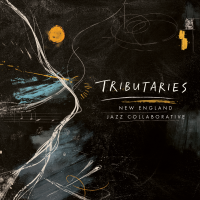
Trending
 In Tribute To...
Points of View: Celebrating Dave Holland
 In Tribute To...
John Coltrane At 100: A Global Perspective
 Jazz Raconteurs
Julius Hemphill: Marty Ehrlich and Tim Berne Remember a...
 Live Review
Detroit Jazz Festival 2026: A Gathering in a Great Jazz City
 Paul's Picks
New York City Jazz Performance Preview: Fall 2026
 Profile
Sequoia Snyder: Growing in the Light of the Masters
 Interview
Jasur Khalilov: From Falak to Fusion
Featured Video
VOTE!