Home » Jazz Articles » Album Review » Troyka: Moxxy
Troyka: Moxxy

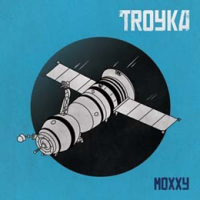
On Moxxy, the funky rhythms and melodies work best when they stay relatively free of electronics. Compared to the band's eponymous 2009 Edition Records debut,
Montague gets the bulk of the writing credits, including two tunes co-written with Blackmore. He has a nice line in titles that seem to promise one kind of tune but deliver another. "Dropsy" may conjure images of ailing, swollen-bellied, dissolute Victorian gentlemen, but the tune is a rather more endearing combination of Montague's fluid guitar and a heavier groove led by Blackmore.
"Chaplin" is a slow, melancholy, tune. If it is inspired by the film star then it's definitely his character's pathos rather than his slapstick violence. Downes and Blackmore keep the rhythm simple as Montague creates a sad but lovely solo. Co-written with Blackmore "Rest" centers on another rather gentle, though more upbeat, lead guitar part. Blackmore's "Zebra" shifts between hard-edged, funky, four-four beats and a prettier, gentler, more complex section.
Downes' two compositions are more downbeat. He underpins "Crawler" with a spooky Hammond bass line, creating an unsettling sound picture. "Islands" features subtly effective electronics and Blackmore's spiky drumming. Montague plays some long, fluid, lead lines reminiscent of Robert Fripp's early King Crimson days—perhaps it's no coincidence that the tune shares its title with that group's 1971 album.
Montague, Downes and Blackmore are accomplished players who are also maturing as writers. Moxxy ably demonstrates Troyka's development as a band that is honing its skills and refining the beauty and passion of its sound.
Track Listing
Rarebit; Dropsy; Crawler; Oedipus; Rest; Islands; Zebra; Chaplin.
Personnel

Chris Montague: guitars, loops; Kit Downes: Hammond organ, piano, Fender Rhodes; Joshua Blackmore: drums.
Album information
Title: Moxxy | Year Released: 2012 | Record Label: Edition Records
About Troyka
Tags
PREVIOUS / NEXT


Become a Sustaining Member

Since 1995, All About Jazz has championed jazz as an art form and supported the musicians who create it. Over three decades, it has grown into one of the world's leading jazz resources, serving hundreds of thousands of readers, musicians, presenters and industry professionals each month.
Help Build the Future of All About Jazz
Your support helps us continue building All About Jazz for the next generation—expanding our editorial coverage, preserving jazz history, developing new community features and creating better ways to discover the music and the people behind it.
Become a sustaining member for as little as $20 per year and you'll immediately enjoy an ad-free experience along with access to subscriber features and future articles for a full year.
Together, we're not simply sustaining All About Jazz—we're building its future. Thank you for being part of the journey.