Home » Jazz Articles » Album Review » Various Artists: Brazil Classics 7: What's Happening in ...
Various Artists: Brazil Classics 7: What's Happening in Pernambuco - New Sounds of the Brazilian Northeast

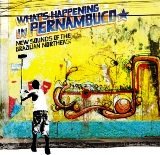
This compilation can be heard as somewhat of a sequel to the excellent Tropicália: A Brazilian Revolution in Sound (Soul Jazz, 2006), which focused on 1960s music that incorporated rock n' roll, experimental song structures and politically-charged attitudes. Fast forward to the mid-1990s, when hip-hop was hitting the ghettos of the Pernambucan capital, Recife; giving birth to the Mangue Beat scene. This movement, led by innovators Chico Science and Fred Zero-Four, intensified hybrid forms by splintering traditional rhythms like maracatu, coco and ciranda, juxtaposing them with punk, hip-hop and electronica.
Collage is the key approach among the artists on Pernambuco, with imaginative uses of cut-and-paste methods. Mombojó's tune "Cabidela combines live hip-hop drums and turntable scratches with a bossa-infused flute breakdown and vocals that float with melancholic, behind-the-beat phrasing. Cidadão Instigado's "O Pobre dos Dentes de Ouro bends genres by slyly shifting a wistful melody from the acoustic tinge of Portugal's fado song form into a mélange of spacey samples, pitch-shifted vocals and acid rock guitar over a funky loop.
Several tunes recognize the affinity between samba and drum n' bass; both genres share similar tempos and frenetic feels. Chico Science collaborators Nação Zumbi name their song "Carimbó after a native Amazonian drum, but the tune is purely contemporary as it drops a bright, electric guitar tremolo over a skittering drum n' bass pattern. Meanwhile, Otto's "Bob employs a sort of mongrel rhythm with a crisp, popping snare drum supporting warm Fender Rhodes chords and a busy vocal melody with sugary female backups.
However, other songs simply reintroduce traditional styles for a new generation. Tiné evokes the sound of a "Cobrinha ("Cobra ) with the slithery pulse of his words and just the sparse ensemble of acoustic guitar, violin, maracas and the tambourine-like pandeiro. Similarly, Siba takes a rustic roots approach to create "Vale do Jucà, where maracas cushion a spindly acoustic guitar and a lilting melody of whistling and wordless vocals. And even though "Instante Feliz, by the duo Vates e Violas, keeps it conventional with an accordion-fueled, rural arrasta-pé rhythm, the polka-sounding style is itself likely derived from early Dutch and/or German influences—and thus a multicultural pastiche in the first place.
This whole mash-up of intriguing sounds would sound bizarre if it wasn't all so catchy, sexy and fun. To tweak your eardrums with a new-school approach to musical globalization, give a listen to What's Happening in Pernambuco.
Visit What's Happening in Pernambuco on the web.
Track Listing
Pode Me Chamar; Vale Do Juc
Personnel

Various Artists
variousEddie (1); Siba (2); Otto (3); Tin
Album information
Title: Brazil Classics 7: What's Happening in Pernambuco - New Sounds of the Brazilian Northeast | Year Released: 2008 | Record Label: Luaka Bop
About Various Artists
Tags
PREVIOUS / NEXT
Become a Sustaining Member

Since 1995, All About Jazz has championed jazz as an art form and supported the musicians who create it. Over three decades, it has grown into one of the world's leading jazz resources, serving hundreds of thousands of readers, musicians, presenters and industry professionals each month.
Help Build the Future of All About Jazz
Your support helps us continue building All About Jazz for the next generation—expanding our editorial coverage, preserving jazz history, developing new community features and creating better ways to discover the music and the people behind it.
Become a sustaining member for as little as $20 per year and you'll immediately enjoy an ad-free experience along with access to subscriber features and future articles for a full year.
Together, we're not simply sustaining All About Jazz—we're building its future. Thank you for being part of the journey.