Catalina Bar Owner Bob Popescu, 77, Dies

LOS ANGELES -- Bob Popescu, who converted a former Italian restaurant into Catalina Bar and convinced jazz great Dizzy Gillespie to play there, has died. He was 77.
Popescu suffered a heart attack Saturday at his home in Los Angeles, said his wife, Catalina Popescu.
“Bob was a visionary," bassist Richard Simon said. “This town hasn't always been hospitable to ventures such as his in a niche as fraught with uncertainty as jazz, but he managed to create a space that was hospitable to both local musicians and the name groups that visit from other parts of the world."
The club that the Popescus created is part of the history of jazz in Los Angeles. By the mid-1980s, Hollywood was in decline and Shelly's Manne-Hole, a popular jazz club, was silent.
The Popescus, both Romanian immigrants, pooled their resources to open a restaurant not far from what had been Shelly's Manne-Hole. Business was not booming, and as they searched for ways to increase their customer base, the couple heard one suggestion that resonated: live jazz music.
The Popescus had no experience in running a jazz club; Popescu had made his living as a building contractor. They enlisted the help of local jazzman Buddy Collette, whose advice on how to create a fine jazz club included such elements as the bandstand, lights and the sound system.
Using his construction skills, Popescu quickly converted the space. Catalina Bar r its co-owner, opened in 1986, a fledgling jazz spot with supper club dreams. When it came to booking performers, Popescu aimed high.
“Bob was always very courageous as a promoter," said Collette, the club's first performer. “He said, 'I would like to hire Dizzy Gillespie.' I said, 'It will cost you a lot of money' ... Dizzy didn't come cheap."
Popescu was prepared to underwrite the performance, figuring it would yield dividends. Getting Gillespie to accept the invitation to play at a new club was a matter of Popescu doing what he did best.
“He loved people. He loved the music," Catalina Popescu said. “With his sweetness and his heart, Dizzy couldn't resist him."
Gillespie played the club right onto the nation's jazz map. On Easter 1987, a who's who of the jazz world -- Benny Carter, Miles Davis, Cedar Walton -- made their way to Catalina Bar air was filled with a big celebrity. They all showed up to see Gillespie," Collette recalled. “Once they did that, they wanted to know, 'Who is this guy Bob Popescu?"'
Born May 23, 1930, in Alunu, a village in South Romania, Popescu earned a degree in electrical engineering in Bucharest.
In 1969, when the nation was under communist rule, he defected to the U.S., settled in Los Angeles and acquired citizenship. When he returned to Romania five years later, he met Catalina. They later married.
Over the years, Popescu helped bring scores of people from Romania to the U.S. He sponsored them, helped them adjust to their new nation and opened his home to them. The couple also developed a reputation for being a “real friend of the jazz world," Collette said.
“Bob and Catalina have really been in the vanguard as far as giving hope to the young and undiscovered, as well as giving latitude and encouragement to both local and touring musicians," said Simon, who often performed at the club.
The elegant club, which moved to Sunset Boulevard in 2003, also hosts events benefiting charitable and jazz education organizations, such as Collette's JazzAmerica.
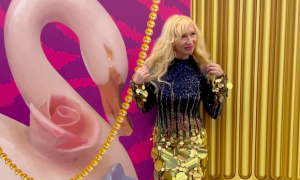
Catalina Popescu, a longtime jazz fan, is the face most identified with the club, while her husband worked behind the scenes. He booked performers and answered the phones.
“That was his life," his wife said. We were “always fighting for this, to keep it alive and to make it happen -- and we did. That was only because of his love for this place and his dedication."
In addition to his wife Catalina, Popescu is survived by a son, Michael, and a grandson, also named Michael, who both live in Romania; a brother, and two sisters.
Popescu suffered a heart attack Saturday at his home in Los Angeles, said his wife, Catalina Popescu.
“Bob was a visionary," bassist Richard Simon said. “This town hasn't always been hospitable to ventures such as his in a niche as fraught with uncertainty as jazz, but he managed to create a space that was hospitable to both local musicians and the name groups that visit from other parts of the world."
The club that the Popescus created is part of the history of jazz in Los Angeles. By the mid-1980s, Hollywood was in decline and Shelly's Manne-Hole, a popular jazz club, was silent.
The Popescus, both Romanian immigrants, pooled their resources to open a restaurant not far from what had been Shelly's Manne-Hole. Business was not booming, and as they searched for ways to increase their customer base, the couple heard one suggestion that resonated: live jazz music.
The Popescus had no experience in running a jazz club; Popescu had made his living as a building contractor. They enlisted the help of local jazzman Buddy Collette, whose advice on how to create a fine jazz club included such elements as the bandstand, lights and the sound system.
Using his construction skills, Popescu quickly converted the space. Catalina Bar r its co-owner, opened in 1986, a fledgling jazz spot with supper club dreams. When it came to booking performers, Popescu aimed high.
“Bob was always very courageous as a promoter," said Collette, the club's first performer. “He said, 'I would like to hire Dizzy Gillespie.' I said, 'It will cost you a lot of money' ... Dizzy didn't come cheap."
Popescu was prepared to underwrite the performance, figuring it would yield dividends. Getting Gillespie to accept the invitation to play at a new club was a matter of Popescu doing what he did best.
“He loved people. He loved the music," Catalina Popescu said. “With his sweetness and his heart, Dizzy couldn't resist him."
Gillespie played the club right onto the nation's jazz map. On Easter 1987, a who's who of the jazz world -- Benny Carter, Miles Davis, Cedar Walton -- made their way to Catalina Bar air was filled with a big celebrity. They all showed up to see Gillespie," Collette recalled. “Once they did that, they wanted to know, 'Who is this guy Bob Popescu?"'
Born May 23, 1930, in Alunu, a village in South Romania, Popescu earned a degree in electrical engineering in Bucharest.
In 1969, when the nation was under communist rule, he defected to the U.S., settled in Los Angeles and acquired citizenship. When he returned to Romania five years later, he met Catalina. They later married.
Over the years, Popescu helped bring scores of people from Romania to the U.S. He sponsored them, helped them adjust to their new nation and opened his home to them. The couple also developed a reputation for being a “real friend of the jazz world," Collette said.
“Bob and Catalina have really been in the vanguard as far as giving hope to the young and undiscovered, as well as giving latitude and encouragement to both local and touring musicians," said Simon, who often performed at the club.
The elegant club, which moved to Sunset Boulevard in 2003, also hosts events benefiting charitable and jazz education organizations, such as Collette's JazzAmerica.
Catalina Popescu, a longtime jazz fan, is the face most identified with the club, while her husband worked behind the scenes. He booked performers and answered the phones.
“That was his life," his wife said. We were “always fighting for this, to keep it alive and to make it happen -- and we did. That was only because of his love for this place and his dedication."
In addition to his wife Catalina, Popescu is survived by a son, Michael, and a grandson, also named Michael, who both live in Romania; a brother, and two sisters.
For more information contact All About Jazz.